Danube Delta Living Lab: Odesa region Schoolkids turn summer camp into scientific data dump with 300 wildlife records
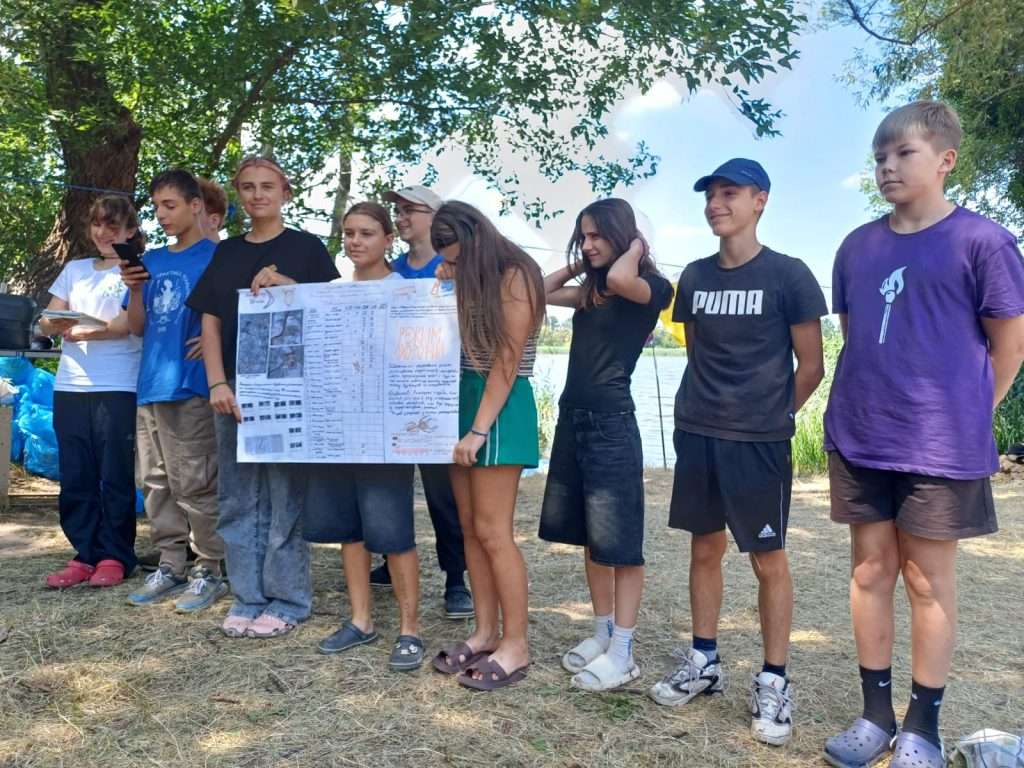
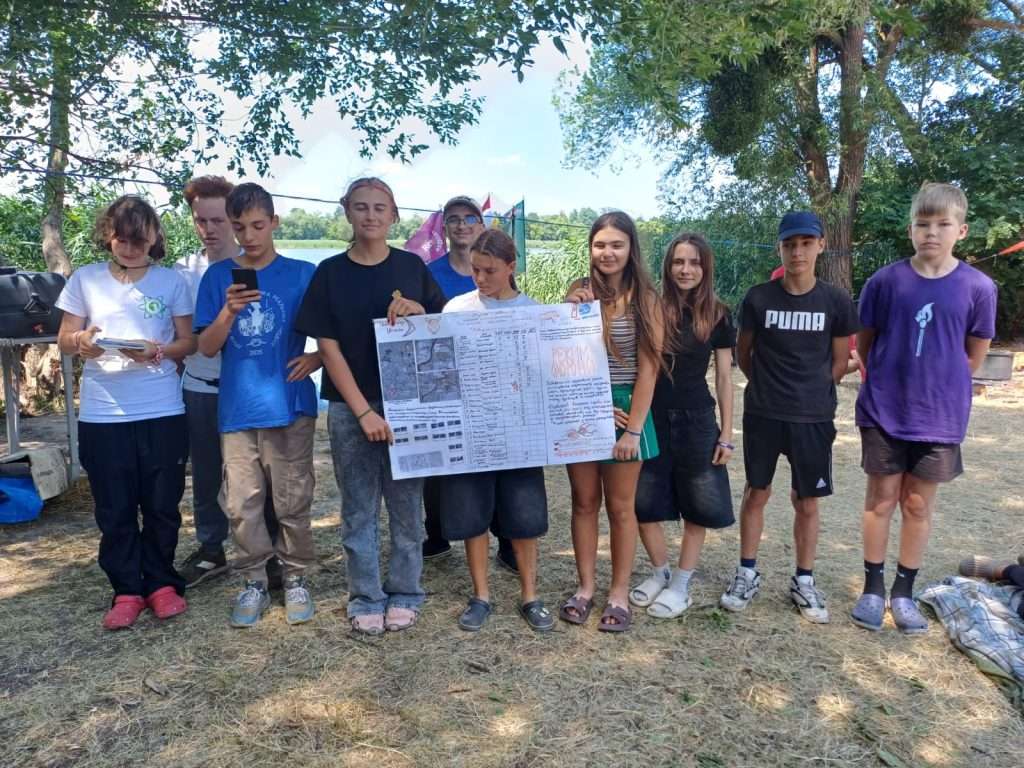
Danube Delta Living Lab: Odesa region Schoolkids turn summer camp into scientific data dump with 300 wildlife records https://pharosproject.eu/wp-content/uploads/2026/08/WhatsApp-Image-2026-07-16-at-13.24.20-1024x768.jpeg 1024 768 PHAROS Project https://pharosproject.eu/wp-content/uploads/2026/08/WhatsApp-Image-2026-07-16-at-13.24.20-1024x768.jpegIn early July 2026, more than a hundred schoolkids from the Odesa region packed their bags and headed for the Syniukha River valley near Novoarkhangelsk. They were going to a biological camp organised by the NGO “Real People, and for fifteen of them, it was a crash course in citizen science: How to photograph wildlife, upload it to a European platform called MINKA, and turn a school trip into actual scientific data.
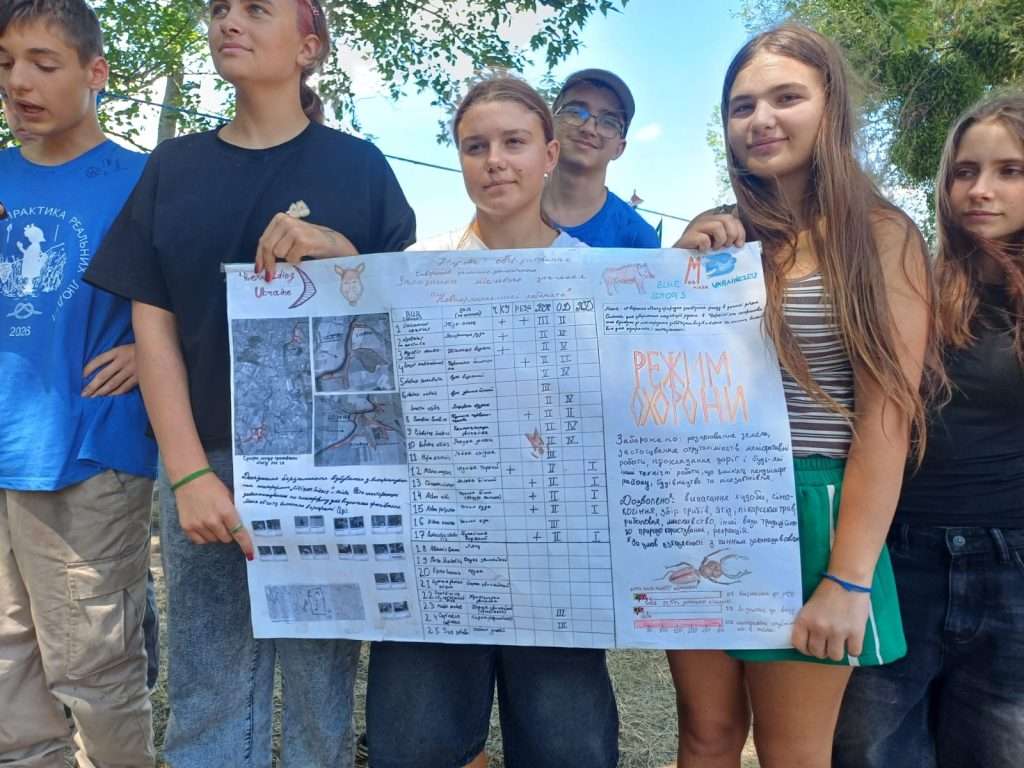
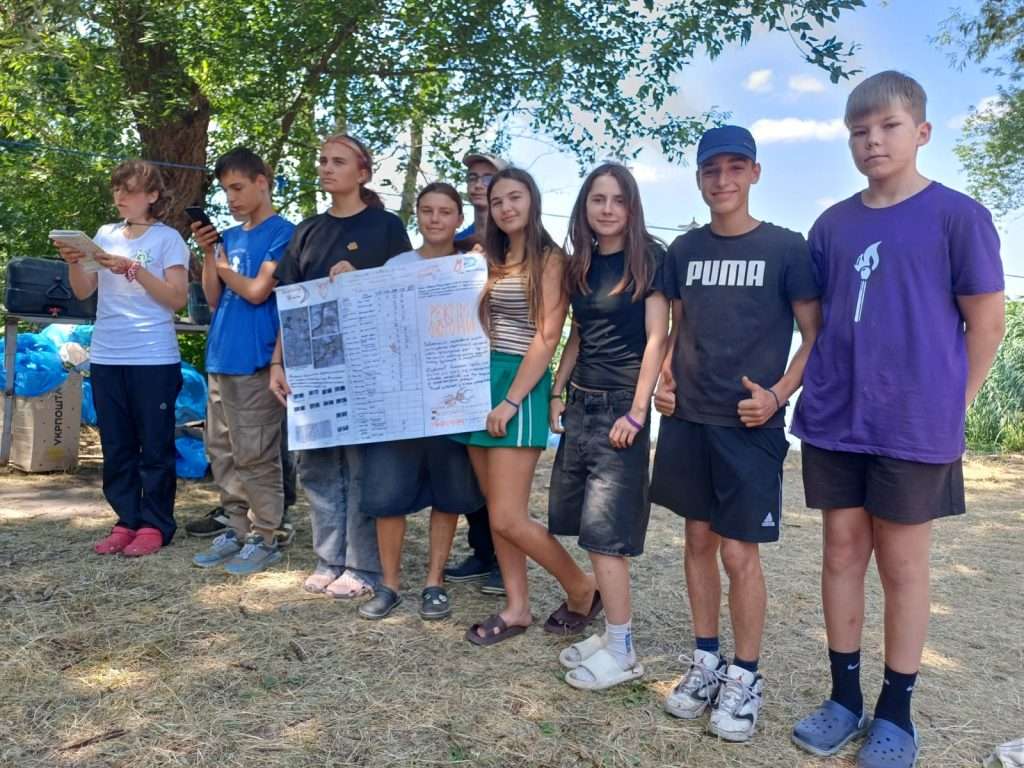
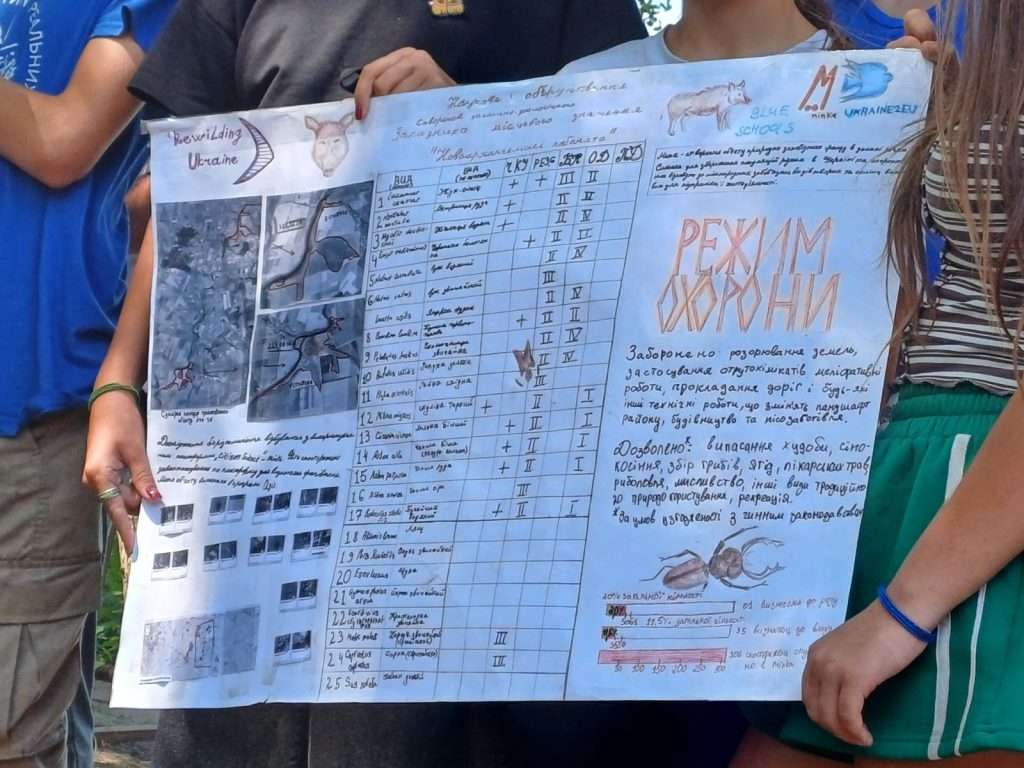
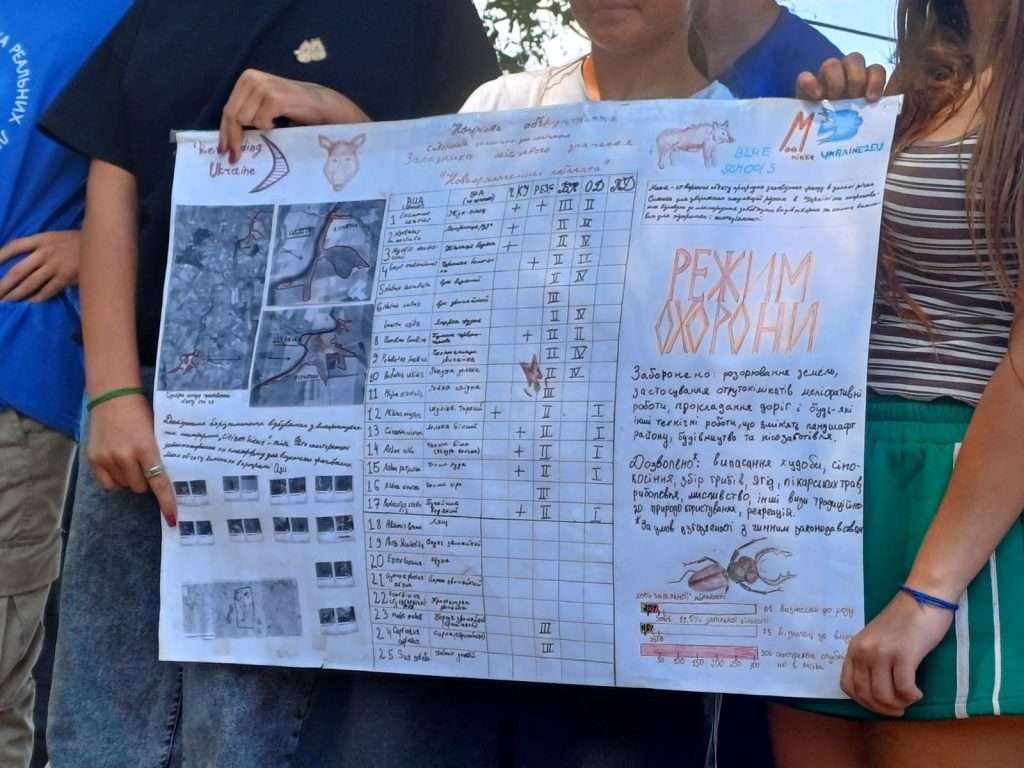
By the time they packed up, those fifteen kids had logged over 300 records: They’d learnt to use the MINKA website and mobile app, they’d analysed their results. They’d even put together poster presentations linking their work to a possible new Nature Reserve Fund object for Ukraine. The Ukrainian Nature Conservation Group, Rewilding Ukraine and the Danube Biosphere Reserve all showed up to help.
This was the Danube Delta Open Living Lab in action, a citizen science platform that’s part of a much larger European project called PHAROS. The Danube Delta is a massive wetland where the Danube River spills into the Black Sea, straddling Romania and Ukraine. It’s famous for its birds, its fish, and its staggering plant diversity. It acts like a giant natural filter, cleaning water as it passes through. But it’s also under pressure: pollution, climate change, invasive species, the usual litany of human impacts. The delta needs watching, and that’s where the Living Lab comes in.
The PHAROS project “Lighthouse for Atlantic and Arctic Basin” launched in September 2024 and runs until August 2029. It’s funded by the EU’s Horizon programme to the tune of about €9.5 million. Twenty-four organisations from twelve countries are involved. The coordinator is the Oceanic Platform of the Canary Islands (PLOCAN) in Spain. The Schmalhausen Institute of Zoology in Kyiv is one of the partners. So are the Royal Belgian Institute of Natural Sciences, the Technical University of Denmark, and Lviv Polytechnic.
The project is setting up three demonstration sites in Iceland, Ireland and Spain. They’re running comparative studies across all European seas to track biodiversity changes, assess bioinvasions, and figure out how invasive species interact with native ones. They’re trying to develop sustainable aquaculture that actually works in local conditions.
And PHAROS is setting up Living Labs, platforms where scientists, local communities, government officials, businesses and anyone else who cares can work together on solutions.
The Danube Delta Living Lab is what they call a “Replication Living Lab”. It’s not one of the main demonstration sites, but it’s where they adapt and scale the methods developed elsewhere. The focus is on the Danube basin, the Black Sea, and the surrounding territories of Ukraine, Romania and Moldova.
The scientific task is straightforward: build a body of data on where species are now, track new arrivals, monitor how native and alien species interact. The collection method is even simpler: Anyone can participate by uploading photographic observations with location and time stamps to the MINKA platform. MINKA is a free citizen science platform created by the Spanish National Research Council. It lets communities set up local projects, share observations, and store data that scientists can actually use.
The data goes to Ukrainian researchers for analysis. With the observer’s permission, it can also feed into international repositories like the Global Biodiversity Information Facility. That means a photo taken by a schoolkid near Novoarkhangelsk could end up helping scientists track biodiversity patterns across continents.
The PHAROS project has two types of Living Labs. The Demonstration Living Labs were set up early at the main sites – Gran Canaria, Ireland and Iceland, to pilot and test the methodology. The Replication Living Labs come later to adapt and scale the successful methods to additional regions: the Danube Delta, Santorini, Lanzarote.
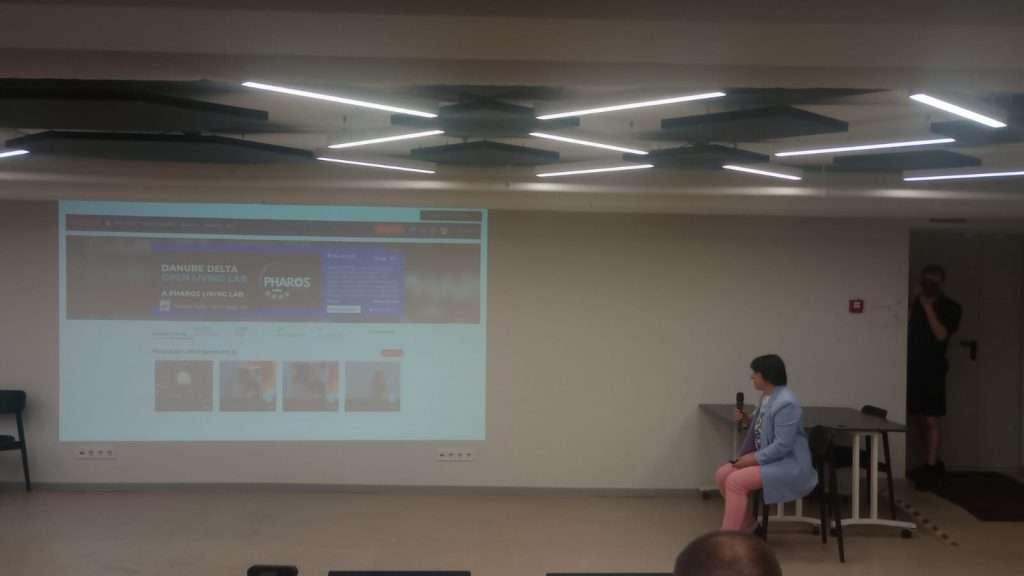
The whole thing is built on “open science”, the idea that research should be accessible, transparent and participatory. At a recent meeting of the Ukrainian Academic Research Network, Professor Pavlo Gol’din from the Schmalhausen Institute presented the PHAROS citizen science work. The discussion that followed focused on improving research reproducibility in biology, using the PHAROS experience with MINKA as a case study.
The Danube Delta Living Lab officially launched in spring 2025. Since then, it’s been building a network of contributors: locals, visitors, school groups, NGOs. The idea is that many small observations from many people can reveal patterns that professional scientists working alone would miss: where rare species are holding on, where new species are appearing, where pollution is getting worse.
The PHAROS project has its own page on the Schmalhausen Institute’s website now. Organisations that want to get involved in Living Lab activities can register through an EU survey link. The MINKA project space is open to anyone who wants to upload observations. It’s the kind of slow, patient data-gathering that actually makes a difference: the sort of thing that happens when you get scientists, schoolkids, local communities and a smartphone together in a wetland.
Three hundred records from a summer camp: Fifteen kids who now know how to use a biodiversity platform, and a few more stakeholders engaged. That’s how it starts.