MarCoLab Gran Canaria

PHAROS Living Lab

What is MarCoLab Gran Canaria?

MarCoLab Gran Canaria is the Gran Canaria Living Lab, a blue economy innovation space launched under the EU-funded PHAROS project. Its name sums up its mission: Mar for the ocean, Co for collaboration, cooperation and co-creation, and Lab for living lab. The word ‘MarCo‘ within its name also refers to a framework, a shared structure where, through the quadruple helix model, innovation and awareness around nature-based solutions are fostered to balance the economy and environmental protection.

The Gran Canaria Living Lab brings together government representatives, researchers, innovators, educational institutions, businesses, investors and local communities to address marine ecosystem restoration challenges and contribute to a healthier ocean.

The approach is simple but ambitious: citizens are not passive observers but active contributors to ecological monitoring and marine governance. As Elba Bueno Cabrera, Manager of the Canary Islands Maritime Cluster, stated at the launch, “Citizen science allows us to collect data on a scale that no scientific team can achieve alone“.

Why Gran Canaria?

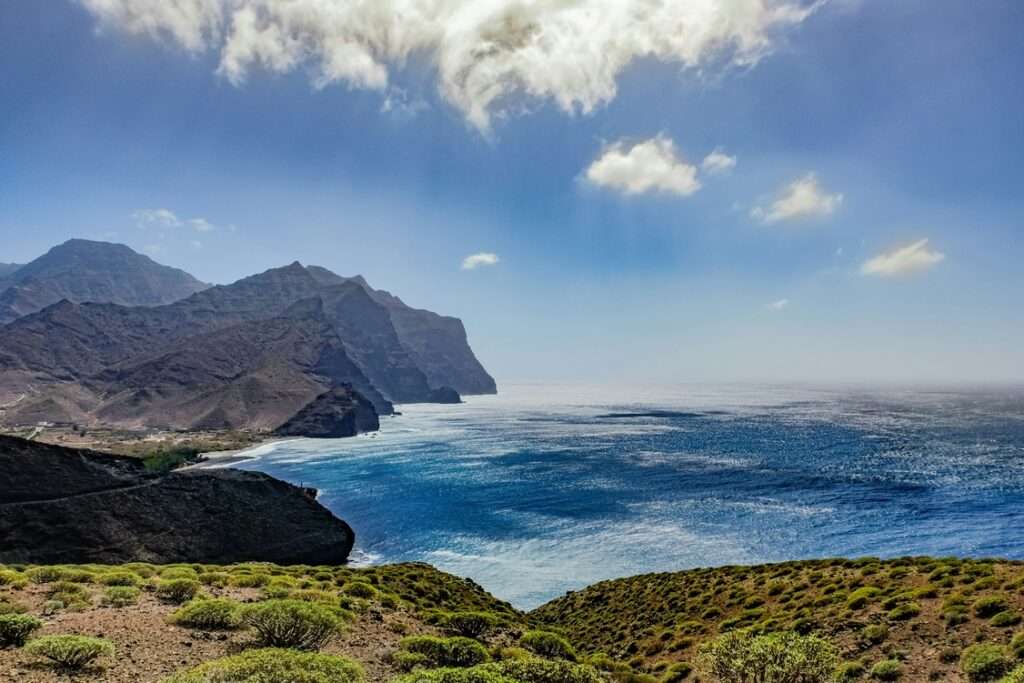
Gran Canaria is one of the demonstration sites of the PHAROS project, which develops innovative nature-based solutions to restore ecosystems, enhance biodiversity and address climate change in the Atlantic and Arctic regions. The island’s coastal and marine environments face pressures from tourism, pollution and overfishing, making it an ideal location for testing and scaling restoration solutions. The Gran Canaria Living Lab has an island-wide scope and focuses on several thematic priorities:

  • marine biodiversity and invasive species monitoring
  • coastal ocean literacy
  • growth and resilience of the blue economy and blue employment sectors
  • community awareness of marine litter impacts
  • MPA co-management challenges
  • the intersection of licencing, regulation and permits in Gran Canaria

The work in Gran Canaria is particularly urgent because, as the Vice Minister for Ecological Transition, Climate Change and Energy of the Government of the Canary Islands, Julieta Schallenberg, noted at the launch, just two people are responsible for marine biodiversity for the entire province of Las Palmas. “You can imagine the amount of work those two people have to protect a huge ocean that surrounds the entire Canarian Archipelago,” she said.

When it was launched?

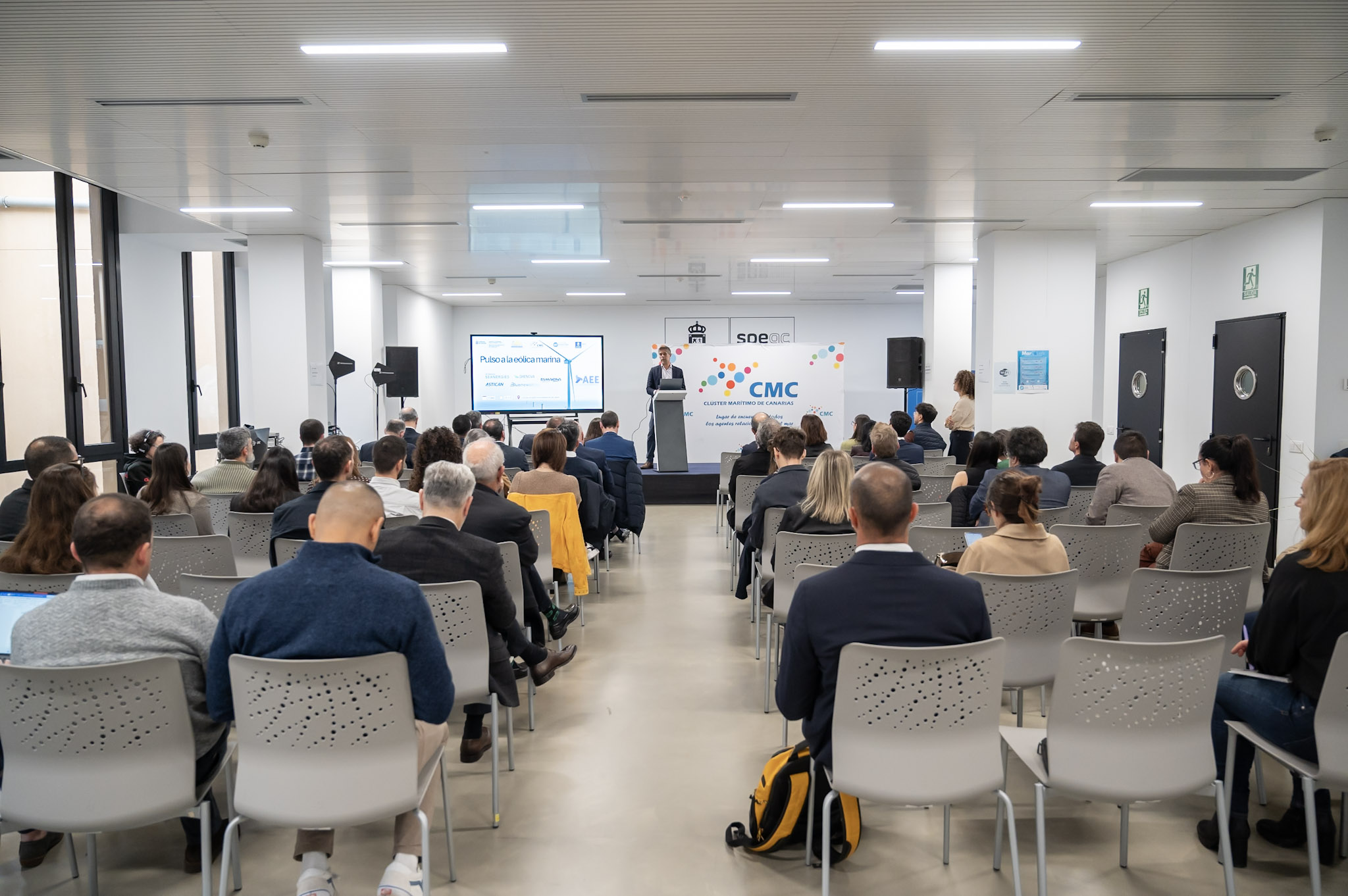
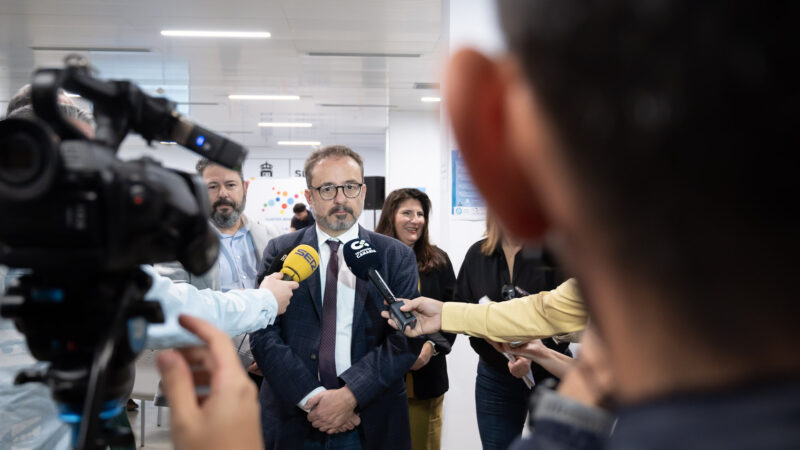
MarCoLab Gran Canaria was officially launched during a press conference on 30 January 2026, which formed part of the first PHAROS Mega Event held from 29 to 31 January 2026 in Gran Canaria and Lanzarote. The launch marked the beginning of a collaborative experiment to transform the coast of Gran Canaria into a living laboratory.

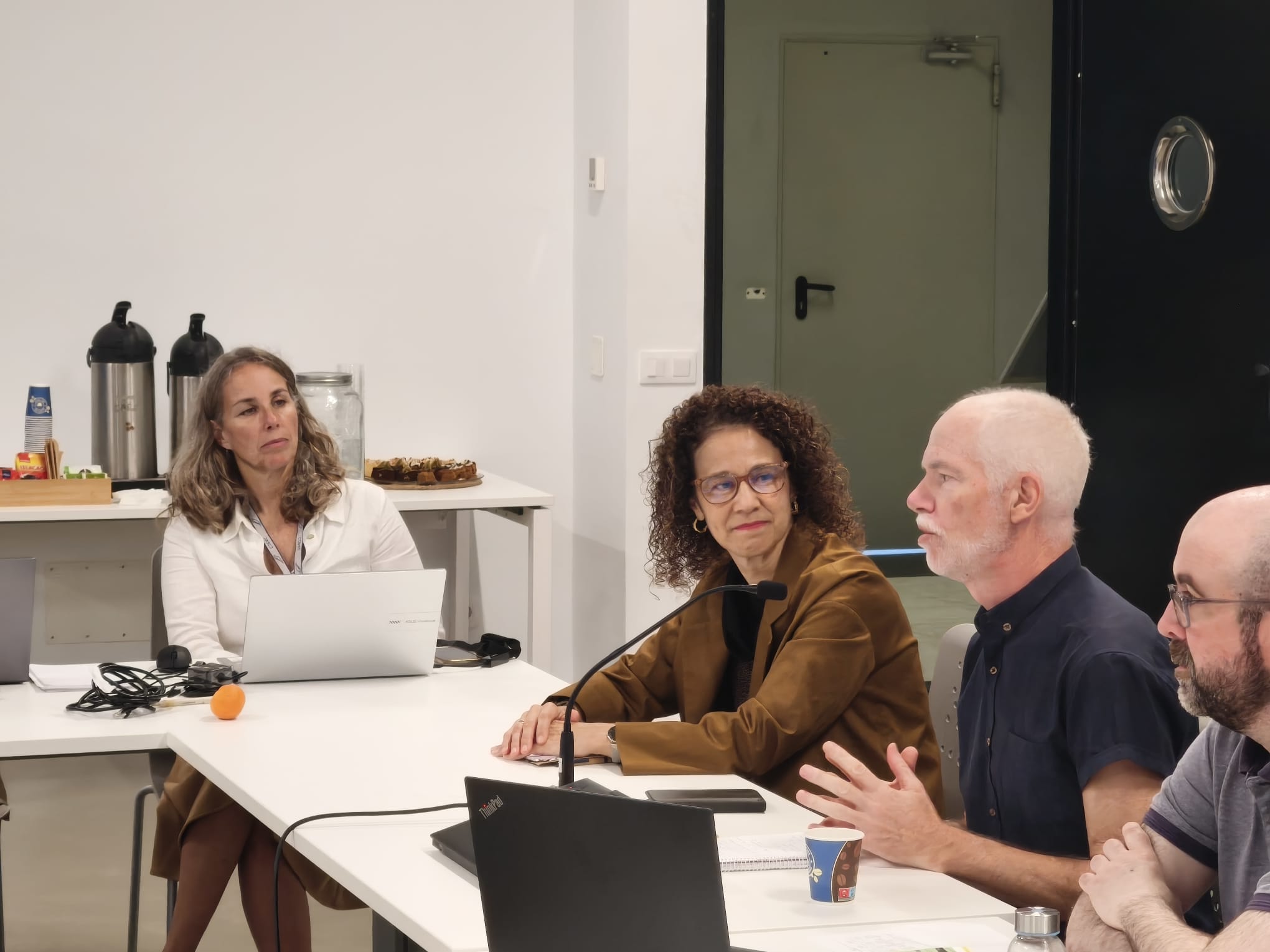
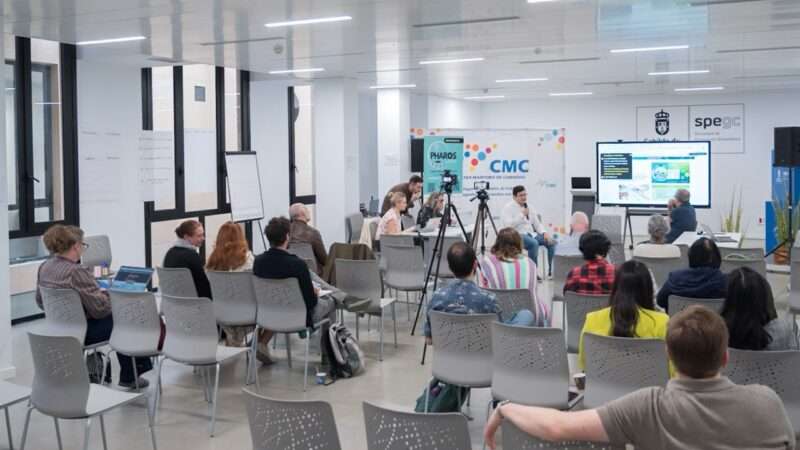
Government officials, scientists and industry leaders gathered at the Canary Islands Maritime Cluster (CMC) to inaugurate MarCoLab. The opening session was led by Elba Bueno Cabrera, who framed PHAROS as a project designed to improve the health of our seas by merging three critical elements: science, technology and citizen participation. “If we understand better what happens in the ocean, we can protect it much better,” she stated.

Raúl García BrinkCouncillor for the Environment, Climate, Energy and Knowledge at the Gran Canaria Island Cabildo, grounded the project in local reality. He acknowledged that the term “citizen science” often meets with scepticism but used a local example to illustrate its value: the counting of feral goats. Technical staff cannot safely access the island’s most treacherous ravines, so the Cabildo relies on local jumpers and hikers to report sightings. “That concept of citizen science seems key to me,” he asserted.

MarCoLab NEWS

Islands Forge Path to Healthier Seas: Canary Islands Living Lab Launch and the PHAROS Mega Event
Islands Forge Path to Healthier Seas: Canary Islands Living Lab Launch and the PHAROS Mega Event 1024 681 PHAROS Project

LAS PALMAS, Gran Canaria – For three days at the end of January 2026 (28-31), the Canary Islands became the focal point for a concerted effort to rethink how we protect and restore marine environments. The first PHAROS Mega Event, hosted by the MarCoLab initiatives on Gran Canaria and Lanzarote, brought together a broad cross section…

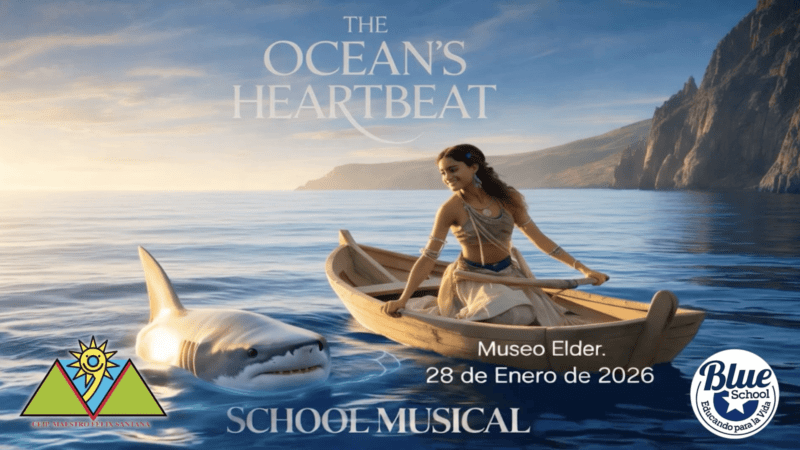
The Heartbeat of the Ocean: How a Canarian School Turned a Musical Dream into a Blue Revolution
The Heartbeat of the Ocean: How a Canarian School Turned a Musical Dream into a Blue Revolution 1024 575 PHAROS Project

January 30, 2026, Las Palmas, Gran Canaria: A public school in Gran Canaria has earned a recognition through PHAROS project after turning a teacher’s offhand comment into a full-scale musical about ocean conservation. “The Heartbeat of the Ocean,” written and performed by students at the CEIP Maestro Félix Santana, has shown how arts education can…

MPA Managers Forge Path Forward at Landmark Atlantic-Arctic Workshop
MPA Managers Forge Path Forward at Landmark Atlantic-Arctic Workshop 1024 768 PHAROS Project

Marine Protected Area (MPA) practitioners from across the Atlantic and Arctic regions gathered on 29th January 2026 in Gran Canaria to tackle the sector’s most persistent challenges, from governance fragmentation to critical funding shortages. The workshop, held with both onsite and online participation, served as a collaborative forum to share solutions and directly shape the…

Citizens Become Scientists in Canary Islands “BioBlitz”
Citizens Become Scientists in Canary Islands “BioBlitz” 1024 768 PHAROS Project

On 31 January 2026, families, snorkellers, and divers came with a purpose to document what lives in the water during the BioBlitz day.

Marine BioBlitz Day at the Museo Atlántico, Lanzarote
Marine BioBlitz Day at the Museo Atlántico, Lanzarote 640 356 PHAROS Project

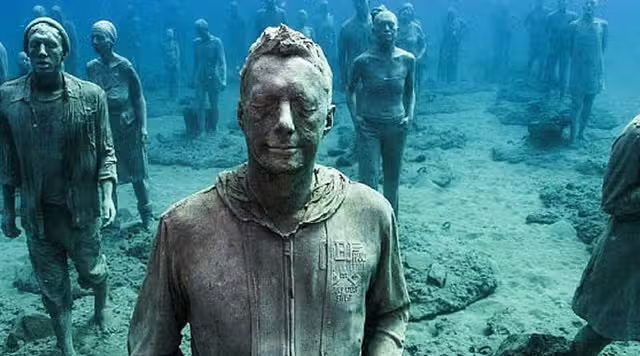
Beneath Lanzarote’s waters, 300 sculptures have transformed into living reefs. Citizen scientists reveal how art accelerates ocean restoration.

Best Practices in Living Labs Report
Best Practices in Living Labs Report 1024 594 PHAROS Project

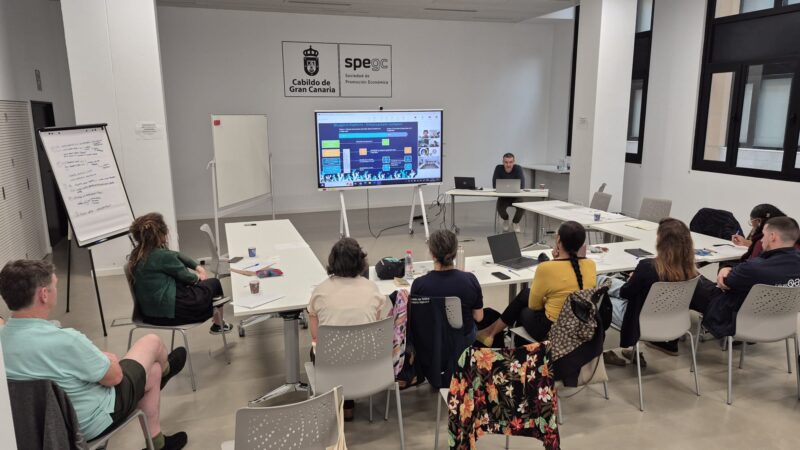
The first “Best Practices in Living Labs Implementation” workshop, organised at the Clúster Marítimo de Canarias on January 30, 2026, and forming part of the PHAROS Project series, brought together a consortium of European projects.

Spanish media reported on Fisher Guardian initiative
Spanish media reported on Fisher Guardian initiative 1000 563 PHAROS Project

A circular economy initiative focused on recycling end-of-life fishing gear has been launched in San Cristóbal, Gran Canaria. The project, named “Fisher Guardians,” is driven by a collaboration between the Oceanic Platform of the Canary Islands (PLOCAN), the company Gravity Wave, and the local San Cristóbal Fishing Cooperative (Pescatobal). It operates under the broader European-funded…

Marine BioBlitz Day at El Cabrón Marine Reserve
Marine BioBlitz Day at El Cabrón Marine Reserve 940 430 PHAROS Project

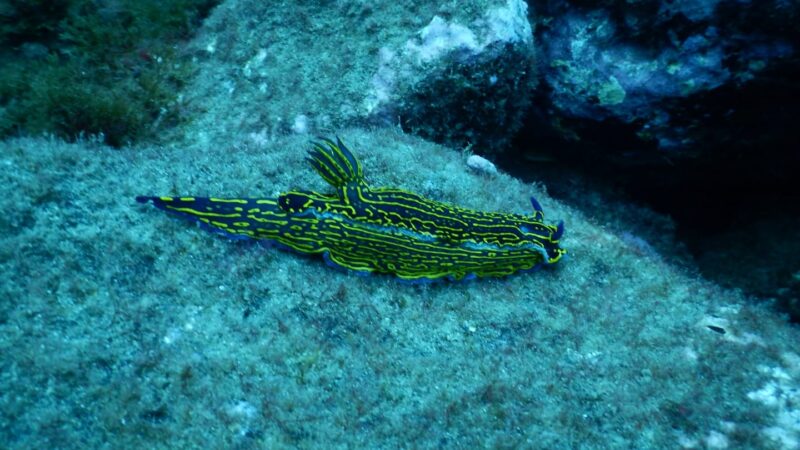
Gran Canaria’s El Cabrón Marine Reserve hosts 400+ species. PHAROS scientists use this natural reef as the gold standard for artificial reefs.

How PHAROS Project Turns Gran Canaria Fishing Nets Into Value Products
How PHAROS Project Turns Gran Canaria Fishing Nets Into Value Products 1024 768 PHAROS Project

SAN CRISTÓBAL, Gran Canaria. On 29 January 2026, local fishermen gathered to discuss what happens to their nets when the fishing is done.

Citizen Science Marine Day at the Biotopo de Arguineguín
Citizen Science Marine Day at the Biotopo de Arguineguín 1024 576 PHAROS Project

Since 1991, Gran Canaria’s Biotopo de Arguineguín transformed barren seabed into thriving reef. PHAROS scientists reveal what 34 years teaches us.

Key Activities

MarCoLab is open to everyone who wants to contribute to a healthier oceanResidents, fishers, scientists, students, entrepreneurs and local organisations are all invited to get involved.

You can join a future BioBlitz and contribute observations through the MINKA platform. You can participate in workshops and seminars on topics such as marine litter, circular economy and sustainable fishing. You can connect with the Fisher Guardians programme if you are part of the fishing community. You can bring your school into the Blue Schools Network. Or you can simply follow the project’s progress and share its results with your networks.

MINKA - Citizen Science

MINKA is the central citizen science infrastructure for PHAROS Living Labs. It is a citizen science observatory that enables individuals and organisations to contribute verifiable observations, including images and sounds, to help track environmental indicators. The platform is aligned with the Sustainable Development Goals of the 2030 Agenda and has been designated as an SDG Acceleration Action by the United Nations and endorsed by UNESCO as a Decade Action project.

In Gran Canaria, MINKA is used for citizen biodiversity monitoring and educational outreach, especially through BioBlitz activities and integration with RedPROMAR, an existing platform set up by the Canary Islands Government that uses citizen observations for monitoring marine life in the Macaronesian Region. The integration of these networks can accelerate impact while reducing duplication of effort.

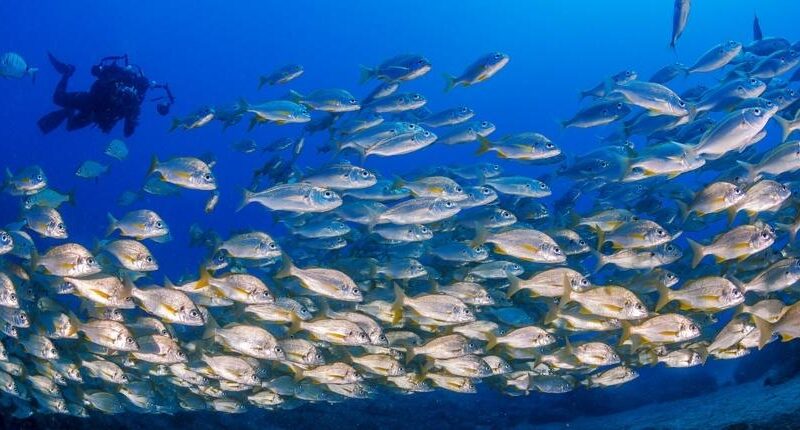
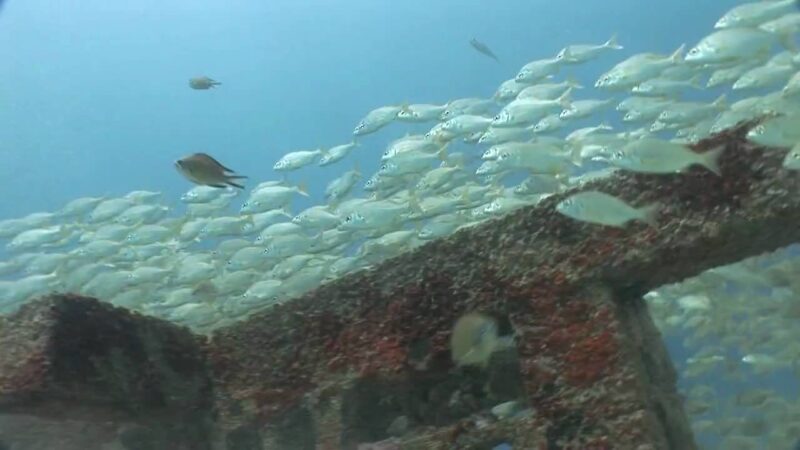
At the January 2026 BioBlitz, participants collected biodiversity data at El Cabrón Marine ReserveBiotopo de Arguineguín and Parque de la Atlántida in Gran Canaria, as well as Museo Atlántico in Lanzarote. At El Cabrón, a strictly protected reserve off Arinaga, citizen scientists catalogued over 400 species, including endangered angel sharks and elusive seahorses. At Biotopo de Arguineguín, they observed octopus and garden eels in artificial habitats. At Parque de la Atlántida, they documented how artistically designed, pH-neutral concrete can transform a barren sandflat into a thriving reefAll observations were logged on MINKAtransforming photographs into usable data for marine biologists.

Fisher Guardians

The Fisher Guardians programme engages small-scale fishers and coastal users in data stewardship and environmental monitoring. It involves fishers and fishing cooperatives who take on an active role protecting the oceancollecting and recycling abandoned fishing gear instead of leaving it to pollute the sea. The programme is driven by PHAROS partners PLOCAN and Gravity Wave in collaboration with local fishing communities, and deliberately reframes the fisheries sector’s image, moving away from being seen as part of the pollution problem and towards becoming a genuine partner in ocean protection.

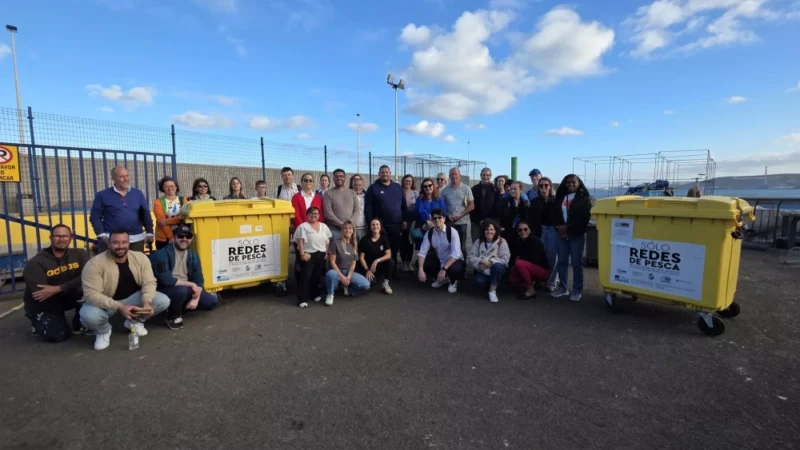
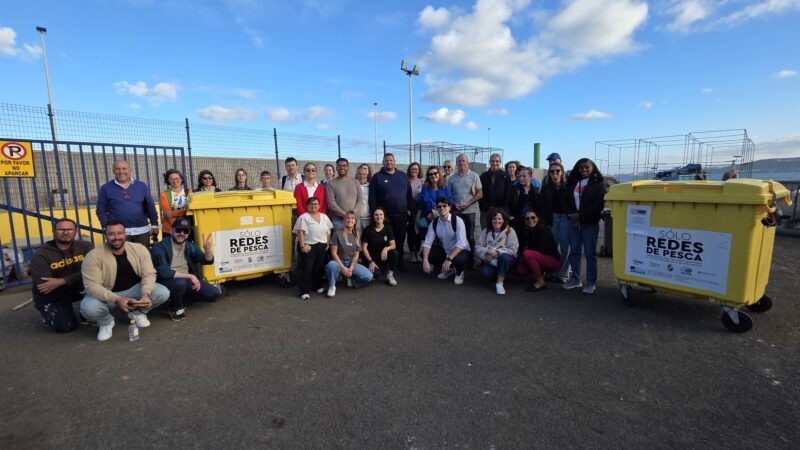
In Gran Canaria, the Fisher Guardians pilot was launched at San Cristóbal port in collaboration with the local Pescatobal fishing cooperative. The programme has installed dedicated recycling containers at the port, making it easy for fishers to deposit old or damaged nets. A key component is the use of the Trinamix device, which can identify the type of plastic in a net in real time, ensuring traceability and quality. The first official collection removed 220 kilograms of discarded nets and fishing gear in a single operation, an early but concrete sign of the scale of accumulated waste at just one port.

The long-term goal is to transform this marine plastic waste into high-value products such as furniture and home decor, giving it a second commercial lifeLogistical studies are underway to determine whether full recycling can be done locally in the Canary Islands or whether materials need to be sent to mainland Spain.

Citizen Litter Entrepreneurs

The Citizen Litter Entrepreneurs programme supports social innovation at the intersection of marine litter prevention and inclusive entrepreneurship. It engages citizens, particularly youth and underrepresented groups, in designing and testing micro-businesses and awareness campaigns focused on reducing marine litter. The programme may include hackathons, design thinking sessions or pop-up interventions, and encourages collaboration between investors, businesses and innovation communities to derive economic value from pollution prevention.

The From Waste to Worth seminar held during the Mega Event introduced best practices for becoming ocean entrepreneurs. Participants learned how to transform plastic litter into sustainable businesses through innovative solutions, training and tools for circular economy ventures. The session was held in Spanish to ensure full engagement from the local community and brought together a panel of experts in the blue economy and waste recycling.

Blue Schools

The Blue Schools Network is a core part of PHAROS educational outreach. It connects school communities with marine and coastal issues through experiential learning, working toward the Network of European Blue SchoolsTeachers, students and educational stakeholders can adopt MINKA-based biodiversity challenges, implement schoolyard biodiversity audits, or co-create citizen science campaigns linked to curricula. In Gran Canaria, the Living Lab has connected with one existing Blue School and engaged 28 educators in accreditation and funding processes through a dedicated webinar.

MPA Platform and Ecological Corridors

The Gran Canaria Living Lab has facilitated connections between the MPA Blueprint Platform and local stakeholders, including managers and local government. This work supports MPA expansion and citizen participation through adapted BLUE4ALL platforms, and contributes to the development of ecological corridors in the Atlantic and Arctic basin.

METHODOLOGY & APPROACH

MarCoLab follows the PHAROS Living Lab methodology, which is adapted from the European Network of Living Labs (ENoLL) and grounded in participatory and iterative processes. The methodology integrates different tools and steps that serve both as a roadmap and a flexible guide that each Living Lab can adapt to its maturity, institutional environment and stakeholder readiness.

The implementation process is divided into five key phasesstrategic co-definition of scope and structurestakeholder identification and engagementcollaborative design of actions and evaluation criteriarisk and capacity assessment, and planning and launching of co-creation activities. These phases are complemented by ongoing monitoring and evaluation.

The Living Lab is structured around the quadruple helix model, engaging public authorities, businesses, academia and civil society. The quintuple helix adds environmental considerations directly into the governance and co-creation process. This multi-stakeholder approach ensures that solutions are not only technically sound but also socially acceptable, locally owned and contextually relevant.

Key principles of the methodology include co-creation, which engages citizens from the earliest stages; real-life settings, which embed innovation within the environmental and societal context; multi-stakeholder participationopenness and transparency; and iteration and feedback, promoting adaptive design through constant stakeholder dialogue.

The Gran Canaria Living Lab has also been a test case for developing best practices in Blue Economy Living Labs. Its launch and early activities have informed the development of the PHAROS Living Lab Implementation Guide, which provides templates, tools and methodological instructions for stakeholder mapping, activity co-design, governance, evaluation and adaptation to local contexts.
Privacy Preferences

When you visit our website, it may store information through your browser from specific services, usually in the form of cookies. Our Privacy Policy can be read here.

Here you can change your Privacy preferences. It is worth noting that blocking some types of cookies may impact your experience on our website and the services we are able to offer.

Click to enable/disable Google Analytics tracking code.
Click to enable/disable Google Fonts.
Click to enable/disable Google Maps.
Click to enable/disable video embeds.
Our website uses cookies, mainly from 3rd party services. Define your Privacy Preferences and/or agree to our use of cookies.