PHAROS is an EU-funded project, led by the Canary Islands Ocean Platform (PLOCAN), and implemented by a consortium of 24 organisations from September 2024 to August 2029, which aims to provide nature-based solutions for restoring ecosystems and biodiversity while tackling climate change and human impacts in the Atlantic and Arctic maritime regions.
The European Union is taking significant steps towards protecting and restoring our ocean’s health with the PHAROS project, a crucial part of the EU’s ambitious Ocean Mission. Aiming to achieve three key objectives by 2030: restoring marine ecosystems and biodiversity, eliminating ocean pollution, and creating a sustainable blue economy, PHAROS is set to bridge the development phase (ending in 2025) and the deployment phase (2026-2030).
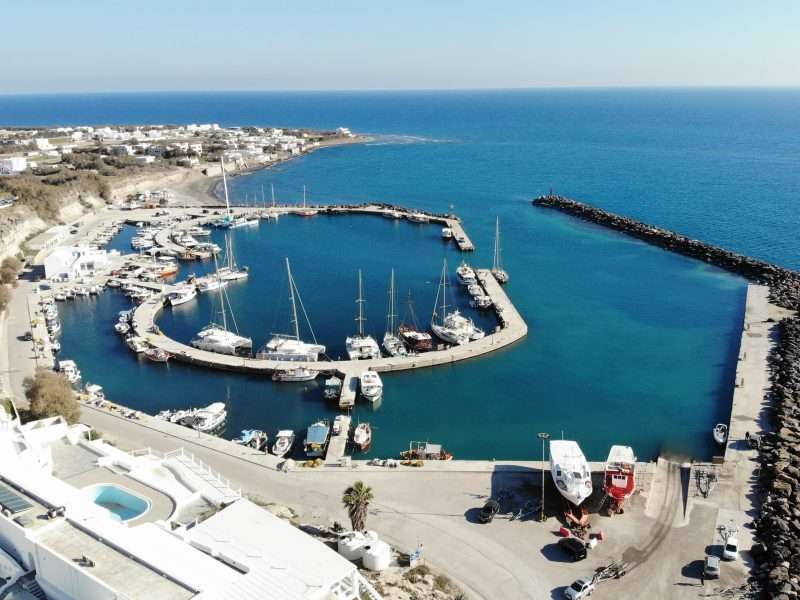
The Port and the Hearth: Fishers, plastic and the work of the Santorini Blue Loop Living Labhttps://pharosproject.eu/wp-content/uploads/2026/10/Vlychada-Fishing-Port-1024x576.jpeg1024576PHAROS ProjectPHAROS Projecthttps://pharosproject.eu/wp-content/uploads/2026/10/Vlychada-Fishing-Port-1024x576.jpeg
Hearth Aegean Summit Day 3: How Local Island Communities are Blueprinting the Future of the Aegeanhttps://pharosproject.eu/wp-content/uploads/2026/10/WhatsApp-Image-2026-10-25-at-17.44.00-1024x576.jpeg1024576PHAROS ProjectPHAROS Projecthttps://pharosproject.eu/wp-content/uploads/2026/10/WhatsApp-Image-2026-10-25-at-17.44.00-1024x576.jpeg
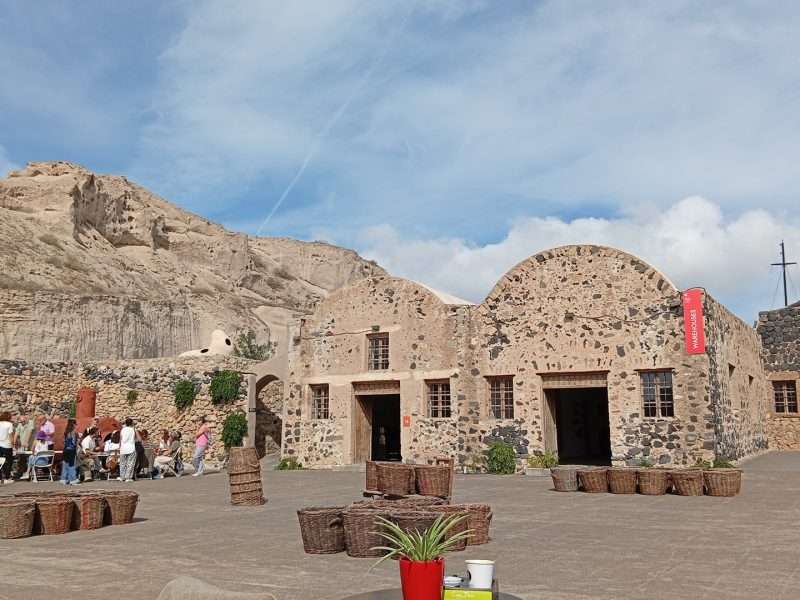
From intention to action, grassroots innovators, scientists, and policy experts gather at Santorini’s Tomato Industrial Museum to build a lasting framework for island resilience.
Hearth Aegean Summit Day 2: Scaling Island Resilience – Intentions and Engineering Radical Futures in Santorinihttps://pharosproject.eu/wp-content/uploads/2026/10/WhatsApp-Image-2026-10-25-at-08.41.01-771x1024.jpeg7711024PHAROS ProjectPHAROS Projecthttps://pharosproject.eu/wp-content/uploads/2026/10/WhatsApp-Image-2026-10-25-at-08.41.01-771x1024.jpeg
Hearth Aegean Summit Day 1 in Santorini: Local Action and Global Regenerationhttps://pharosproject.eu/wp-content/uploads/2026/10/WhatsApp-Image-2026-10-23-at-23.31.07-1-1024x768.jpeg1024768PHAROS ProjectPHAROS Projecthttps://pharosproject.eu/wp-content/uploads/2026/10/WhatsApp-Image-2026-10-23-at-23.31.07-1-1024x768.jpeg
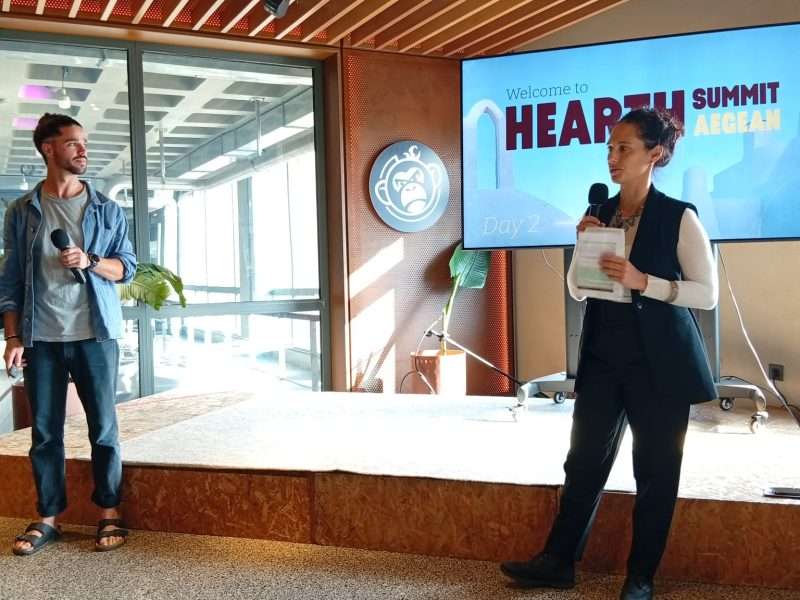
At the Mati Art Observatory, attendees gathered for the summit’s official opening plenary, titled “Why Now, Why Here?”. Co-moderators Sheila Darmos (a farmer from the Peloponnese, eco-project connector, and co-founder representing the European Alliance for Regenerative Agriculture) and Fabio Volkmann (a specialist in place-based regeneration and regenerative agriculture from the European Alliance for Regenerative Agriculture) introduced the guiding principles of the three-day gathering.
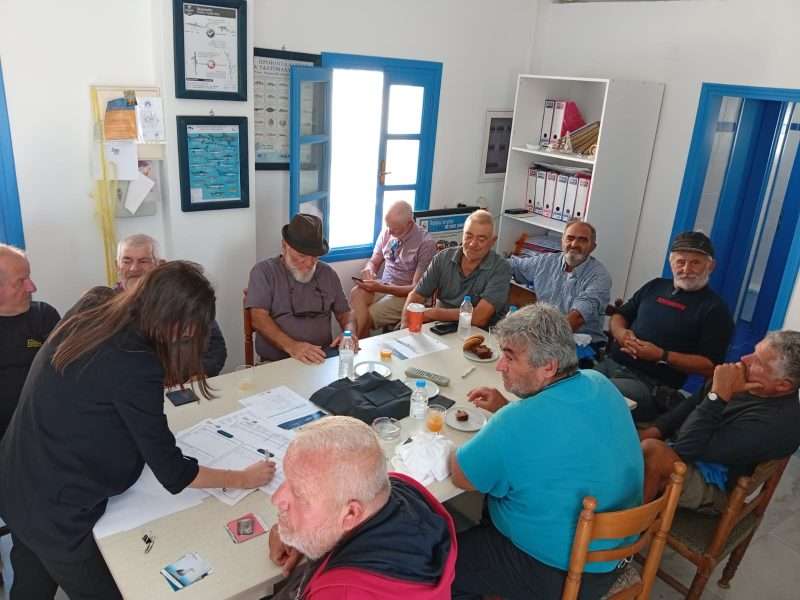
Santorini Living Lab Fisher Guardian Workshop in Vlychada before opening Aegean Hearth Summithttps://pharosproject.eu/wp-content/uploads/2026/10/WhatsApp-Image-2026-10-23-at-13.34.16-1024x771.jpeg1024771PHAROS ProjectPHAROS Projecthttps://pharosproject.eu/wp-content/uploads/2026/10/WhatsApp-Image-2026-10-23-at-13.34.16-1024x771.jpeg
Santorini fishers and PHAROS partners co-created practical steps to cut marine litter, track lost gear and improve port recycling at Vlychada.
Santorini Living Lab Fisher Guardian Workshop in Vlychada before opening Aegean Hearth Summithttps://pharosproject.eu/wp-content/uploads/2026/10/Vlychada-Fishing-Port-1024x576.jpeg1024576PHAROS ProjectPHAROS Projecthttps://pharosproject.eu/wp-content/uploads/2026/10/Vlychada-Fishing-Port-1024x576.jpeg
The Fisher Guardian participatory workshop, organised under the PHAROS Fisher Guardian Programme, brings together Santorini fishers to share their experiences, discuss the challenges they face and jointly identify practical measures to tackle marine litter, improve waste management and reduce bycatch, among other issues.
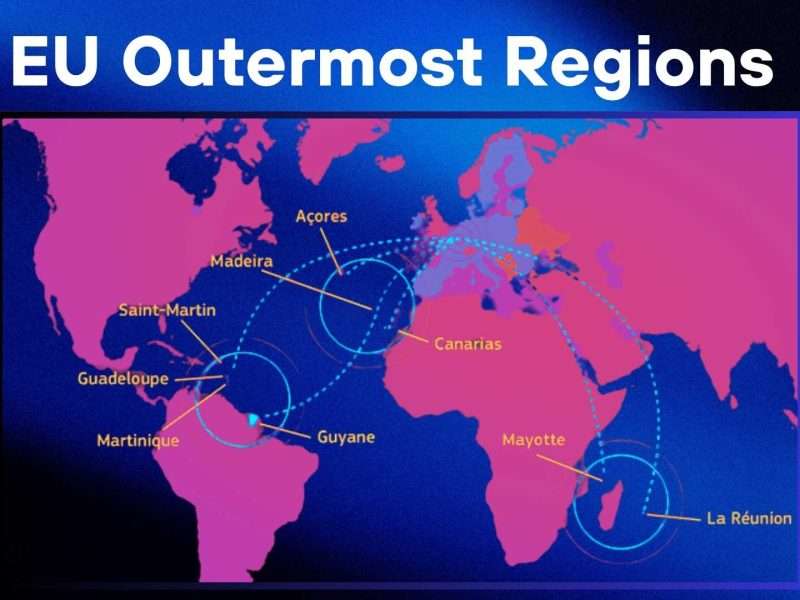
What Are EU Outermost Regions?https://pharosproject.eu/wp-content/uploads/2026/07/EU-Outermost-Regions-1024x576.jpg1024576PHAROS ProjectPHAROS Projecthttps://pharosproject.eu/wp-content/uploads/2026/07/EU-Outermost-Regions-1024x576.jpg
EU Outermost Regions are remote Atlantic and Indian Ocean islands with full EU status. See why PHAROS centres its ocean work around them in 2026.
From European Ocean Innovation to Local Action: Three EU Projects Join Forces at Hearth Summit Aegean 2026https://pharosproject.eu/wp-content/uploads/2026/10/Three-EU-projects-join-action-1024x576.jpg1024576PHAROS ProjectPHAROS Projecthttps://pharosproject.eu/wp-content/uploads/2026/10/Three-EU-projects-join-action-1024x576.jpg
Ten percent designated, 3.5 percent protected: the ocean’s place in the COP17 reviewhttps://pharosproject.eu/wp-content/uploads/2026/10/levon-vardanyan-_EpaiWp5yC8-unsplash-1024x683.jpeg1024683PHAROS ProjectPHAROS Projecthttps://pharosproject.eu/wp-content/uploads/2026/10/levon-vardanyan-_EpaiWp5yC8-unsplash-1024x683.jpeg
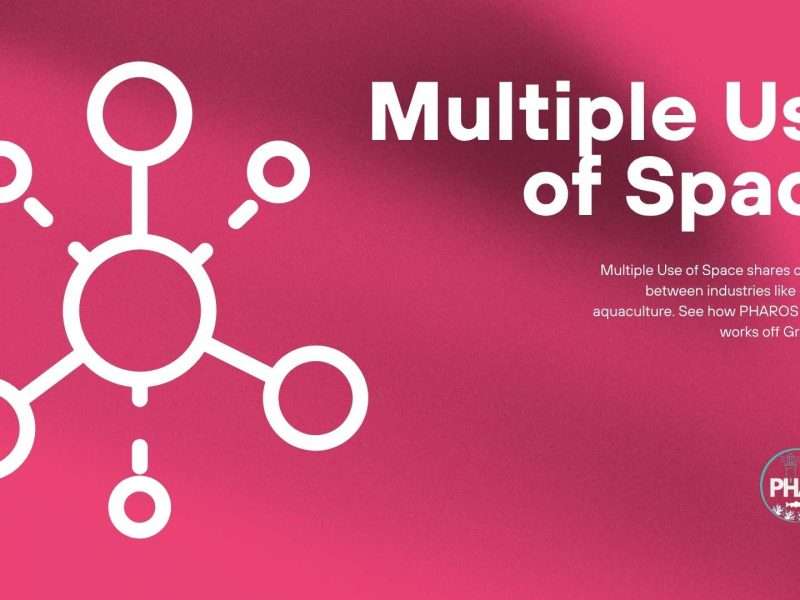
What Is Multiple Use of Space?https://pharosproject.eu/wp-content/uploads/2026/07/Multiple-Use-of-Space-1024x576.jpg1024576PHAROS ProjectPHAROS Projecthttps://pharosproject.eu/wp-content/uploads/2026/07/Multiple-Use-of-Space-1024x576.jpg
Multiple Use of Space shares ocean areas between industries like energy and aquaculture. See how PHAROS proves this works off Gran Canaria.
When you visit our website, it may store information through your browser from specific services, usually in the form of cookies. Our Privacy Policy can be read here.
Here you can change your Privacy preferences. It is worth noting that blocking some types of cookies may impact your experience on our website and the services we are able to offer.
Click to enable/disable Google Analytics tracking code.
Click to enable/disable Google Fonts.
Click to enable/disable Google Maps.
Click to enable/disable video embeds.
Our website uses cookies, mainly from 3rd party services. Define your Privacy Preferences and/or agree to our use of cookies.