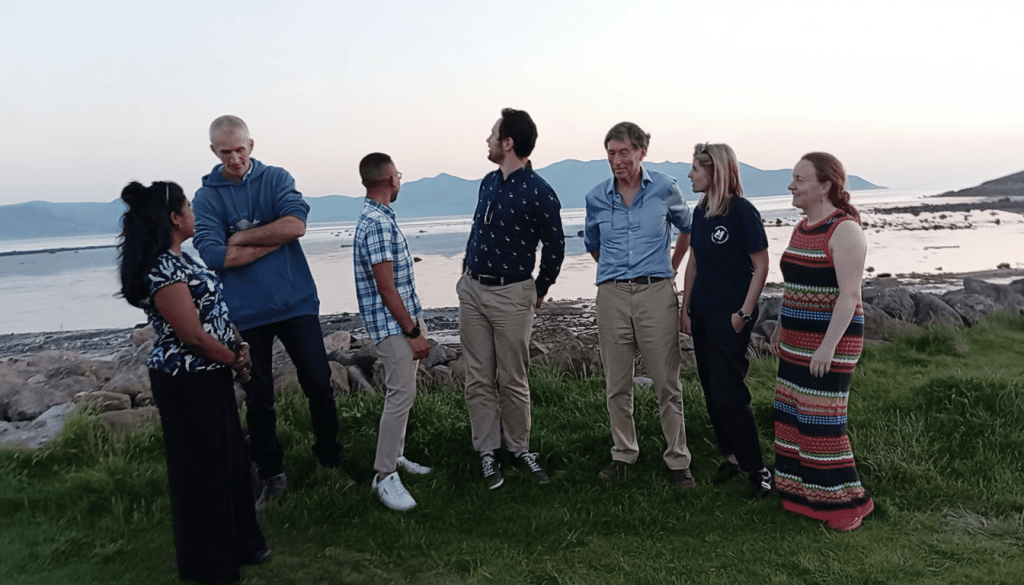
Pint of Science Ireland 2026, Maharees
Pint of Science Ireland 2026, Maharees https://pharosproject.eu/wp-content/uploads/2026/10/Pint-of-Science-1-1024x585.png 1024 585 PHAROS Project https://pharosproject.eu/wp-content/uploads/2026/10/Pint-of-Science-1-1024x585.pngOn the evening of Tuesday 26 May 2026, the opening day of the PHAROS Ireland Mega Event concluded at Spillanes Bar on the Maharees peninsula with a Pint of Science Ireland event. The event ran from 19:30 to 21:00 and formed part of the national Pint of Science Festival, a free annual series that brings researchers out of the lab and into local venues to share their work with the public.
The Pint of Science session followed on directly from the launch of the MINKA Living Lab at Maharees Beach earlier that afternoon, carrying momentum from the launch into an informal setting where PHAROS international delegates, MTU researchers, Maharees residents, visiting students and local families could continue the conversation together.
| Event | Pint of Science Ireland Festival 2026, Tralee / Maharees |
| Date and time | Tuesday 26 May 2026, 19:30 to 21:00 |
| Venue | Spillanes Bar, Fahamore, Castlegregory, Co. Kerry, V92 PX93 |
| Context | Closing activity of Day 1, PHAROS Ireland Mega Event, immediately following the Ireland Living Lab launch at the Maharees |
| Format | Free public festival, open to all |
| Speakers | 5 marine and blue bioeconomy researchers |
| Hosts | MTU Kerry, in partnership with Pint of Science Ireland |
Programme and Speakers
Five short presentations were delivered across the ninety-minute programme, each pitched for a general audience and followed by informal Q&A. The programme intentionally balanced technical bioeconomy research with grounded community science, closing with a reflection on the Maharees itself.

Priya Pollard
Postdoctoral Researcher, Indigo Rock Marine Research Centre
Algae Allies: Choosing the Best Species for Peatland IMTA Aquaculture — Clean-up and Value Creation
An overview of the CIRCULAR-IMTA-DEMO project at the Mount Lucas IMTA site, testing native algae for their ability to absorb nitrogen and phosphorus from trout pond water, and prototyping a continuous on-site cultivation system to turn aquaculture waste into usable biomass.
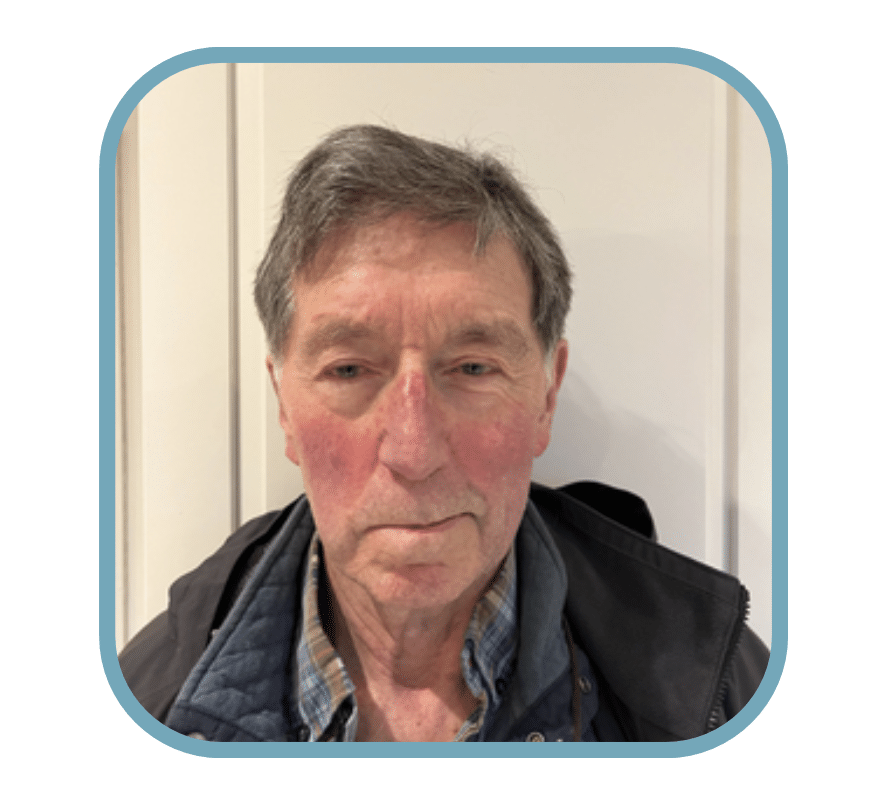
Prof. Tom Cross
Emeritus Professor
The Use of Genetics in Marine Science
How genetics underpins marine science. Understanding biodiversity, population connectivity and species adaptation is central to effective conservation, fisheries management and the long-term resilience of marine ecosystems.
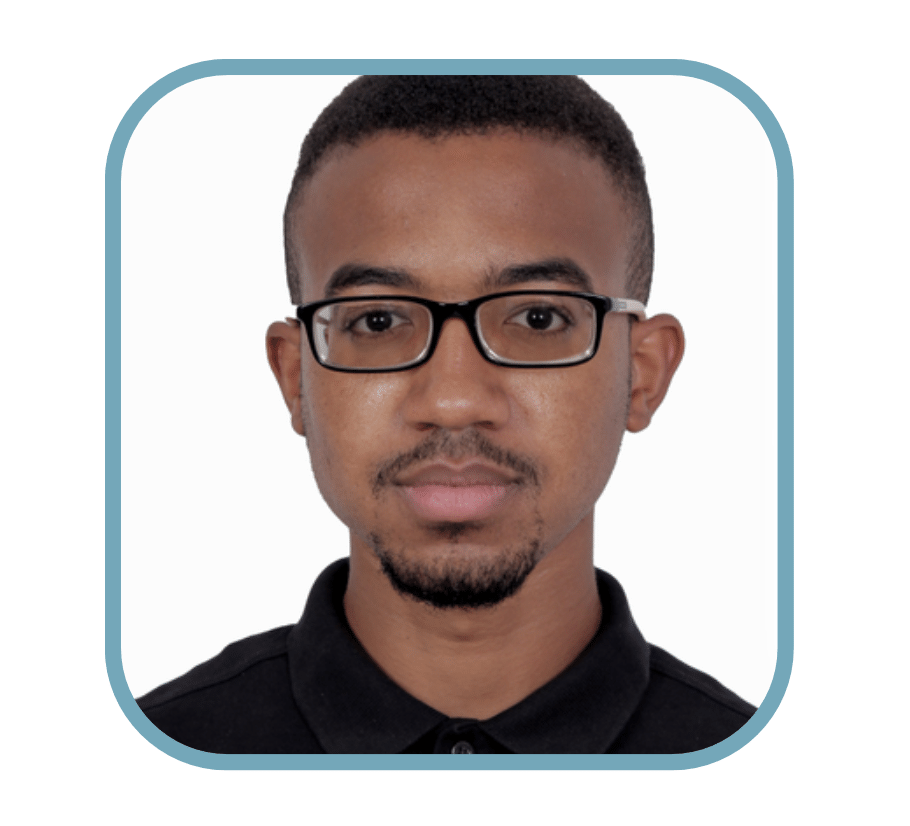
Hussein Qulatein
PhD Student, Bantry Marine Research Station
Advancing Sustainable Seaweed Biorefinery
A pilot-scale sequential extraction of high-value bioactives (fucoxanthin, fucoidan, laminarin, alginate and protein) from Alaria esculenta using clean, eco-friendly technology. The work compares cultivation and post-harvest methods, bridging lab and industry to demonstrate scalable, sustainable macroalgae bioactive production.
Roderick van Roosmalen
Postdoctoral Researcher
Seaweed Production and Biodiversity
The effect of salmon aquaculture on seaweed farming, biodiversity within a seaweed farm, and the range of products derived from seaweed, including food ingredients, cosmetics, nutraceuticals and a broad base of pharmaceutical and health and wellness applications.
Martha Farrell
Lecturer and Researcher, MTU
Citizen Power for the Blue Economy
A coastal community rewriting the rulebook on conservation. In the Maharees, action starts at the kitchen table, with residents, businesses and tourists pulling together to restore dunes, protect biodiversity and safeguard one of Ireland’s standout blue tourism destinations. Proof that bottom-up beats top-down, one sand grain at a time.
Audience and Atmosphere
The venue was full for the duration, with a mixed audience of PHAROS international delegates, researchers from MTU and partner institutions, Maharees residents, students, teachers and visiting Science Festival-goers. The informal pub setting worked exactly as the Pint of Science format intends, lowering the threshold for public engagement with research and prompting substantial Q&A after each talk.
The pairing of research presentations with Martha Farrell’s community-focused talk gave the evening a clear thread between European research priorities and local coastal action. For many of the visiting international delegates, this was their first direct exposure to a working Irish coastal community, and the dialogue in the room reflected that.
Alignment with Living Lab Objectives
The event advanced several Ireland Living Lab objectives in a single evening. It extended citizen engagement beyond the Living Lab launch itself, carrying new participants into the Living Lab orbit through an open public format. It gave early-career marine researchers (two postdoctoral researchers and a PhD student) a platform to communicate their work directly to the community. And it built visible connections between the Living Lab, the wider Irish marine research community, and the Pint of Science national network.
The partnership with Pint of Science Ireland also broadens the dissemination reach of the PHAROS Ireland Living Lab beyond the immediate Mega Event audience, with the festival’s social media channels (Bluesky, X, Instagram, Meta and LinkedIn) carrying event visibility to a national audience throughout the week.
Outcomes
The Pint of Science event closed Day 1 of the PHAROS Ireland Mega Event on a strong public engagement note, with the Maharees community, PHAROS international delegates and the Irish marine research community in the same room for a full evening of open discussion. It demonstrated that the Living Lab is not confined to formal programme hours, and that the Living Lab venue (the Maharees) can serve as a sustained hub for marine science communication over the next 24 months leading into the 2028 PHAROS Ireland Mega Event.