The Ellen Hutchin Festival
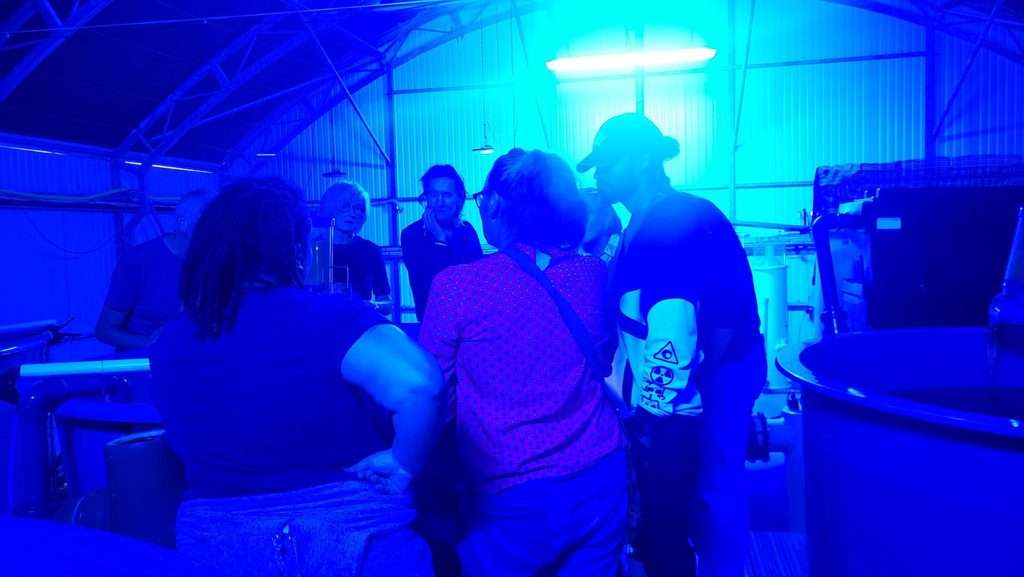
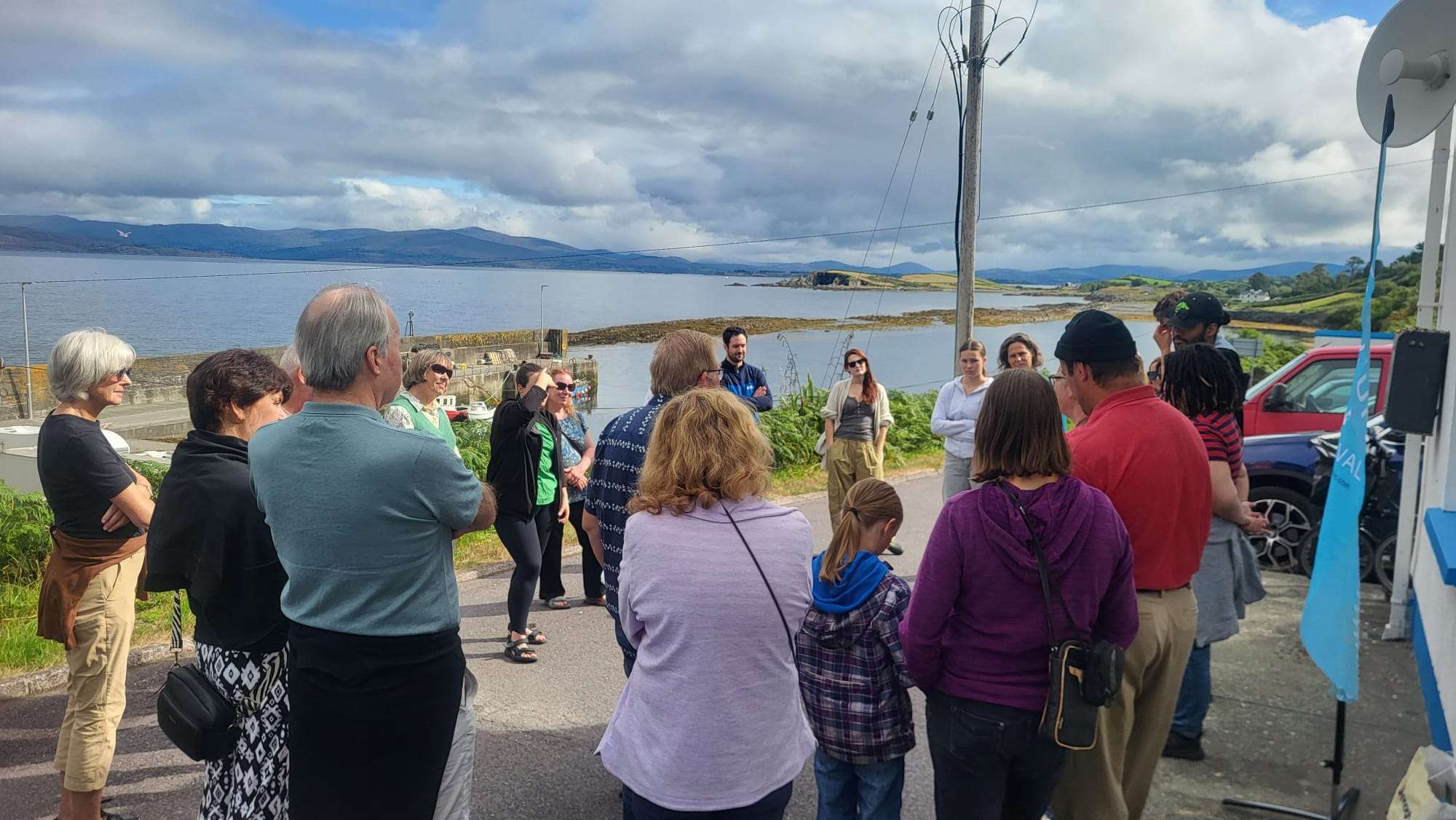
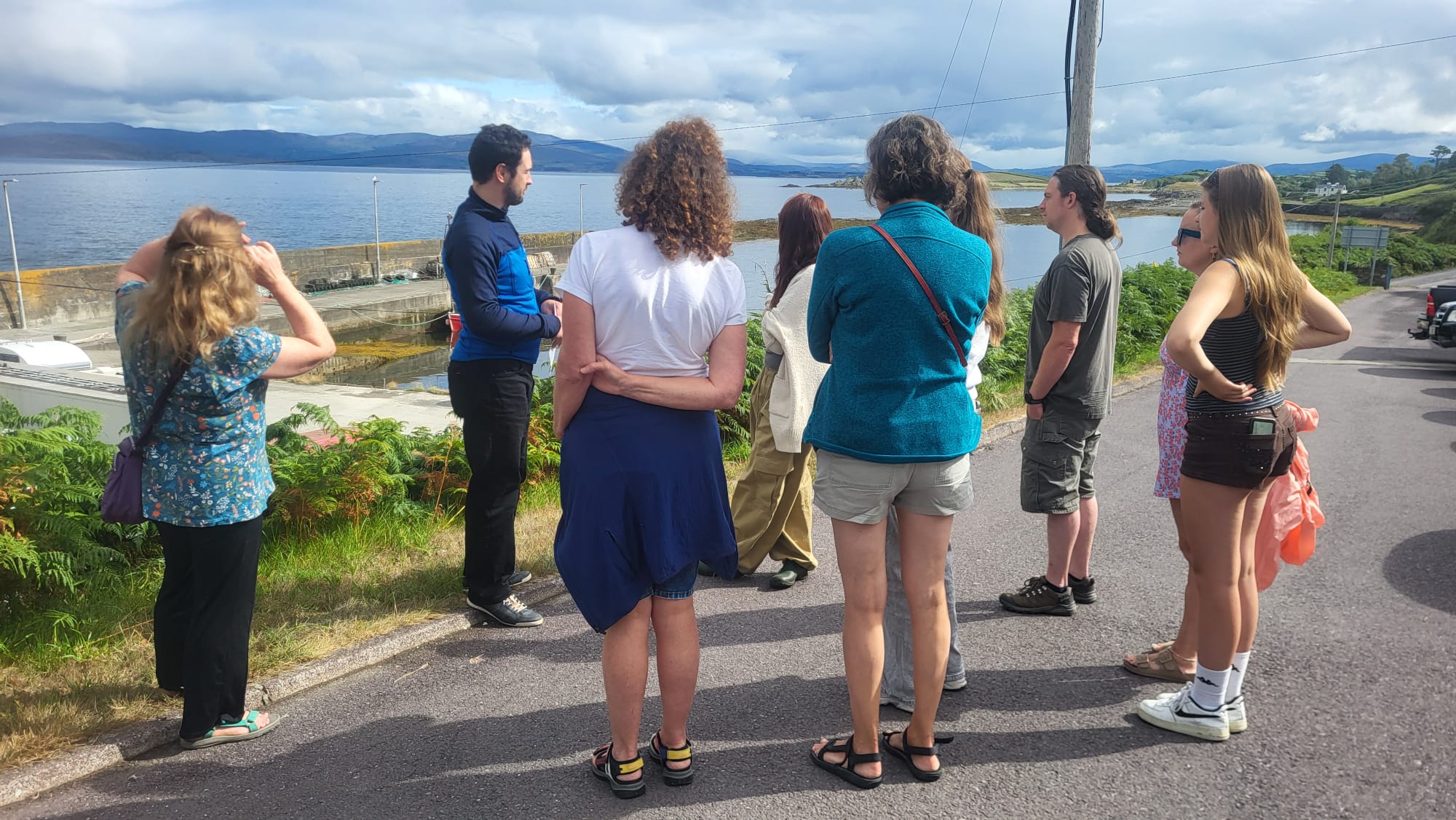
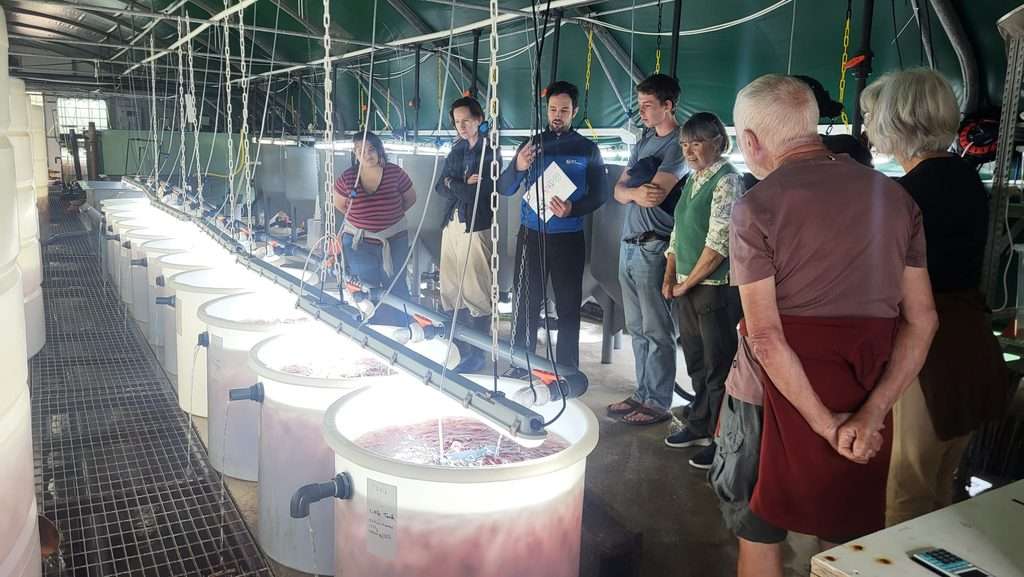
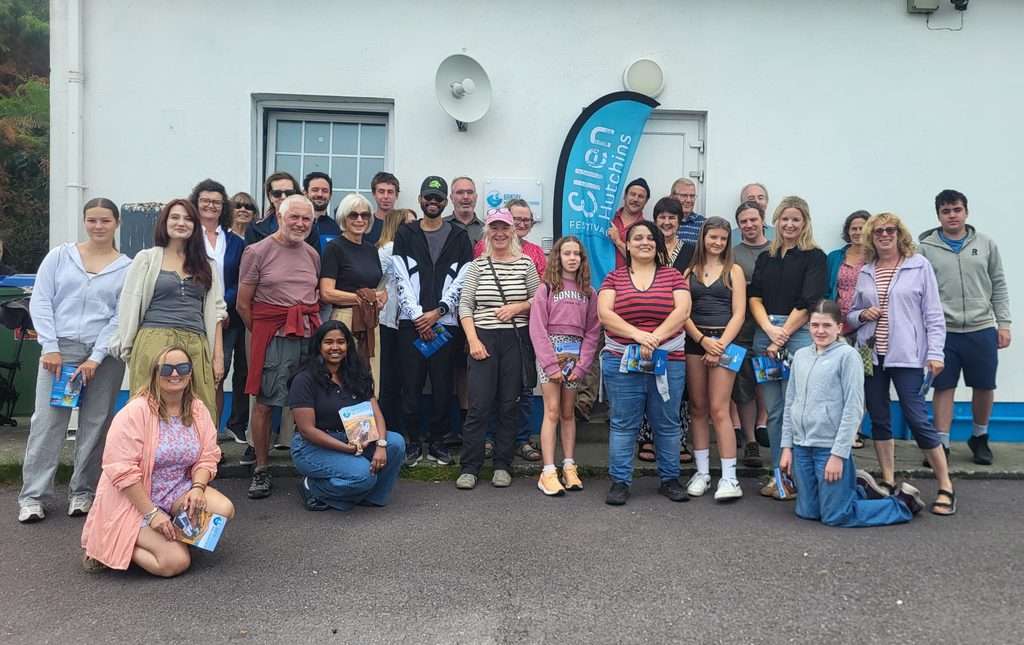
The Ellen Hutchin Festival https://pharosproject.eu/wp-content/uploads/2026/10/WhatsApp-Image-2026-08-19-at-14.28.49-1024x645.jpeg 1024 645 PHAROS Project https://pharosproject.eu/wp-content/uploads/2026/10/WhatsApp-Image-2026-08-19-at-14.28.49-1024x645.jpegOn the 15th of August 24 mainly local people visited Bantry Marine Research Station (BMRS) for a Behind the Scenes Visit as part of the Ellen Hutchins festival.
Ellen Hutchins (1785-1815) was the first female Irish botanist from Ballylickey, which is close to BMRS. She was active from 1805 to 1813 and worked with seaweeds and terrestrial plants. Her expertise and focus was in the study of non-flowering plants. She had great skills in identifying, preserving and describing plants, which was complemented with incredible artistic skill in drawing the plants. At a young age she discovered a great number of species that were new to science and Ireland. Some of her discoveries were with seaweed, for example she made the first ever sighting of spores on a seaweed called Velvet Horn (Codium tomentosus).
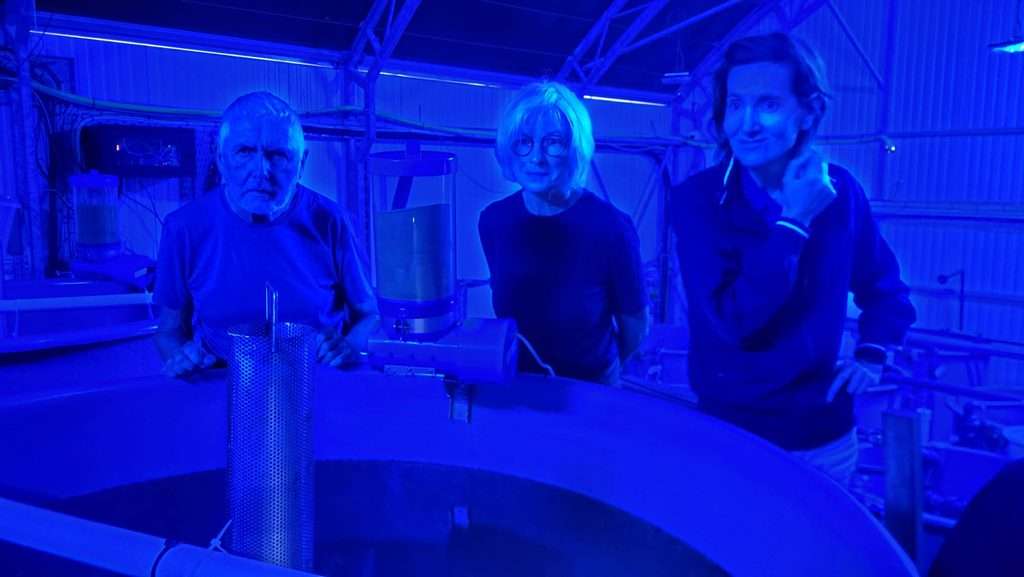
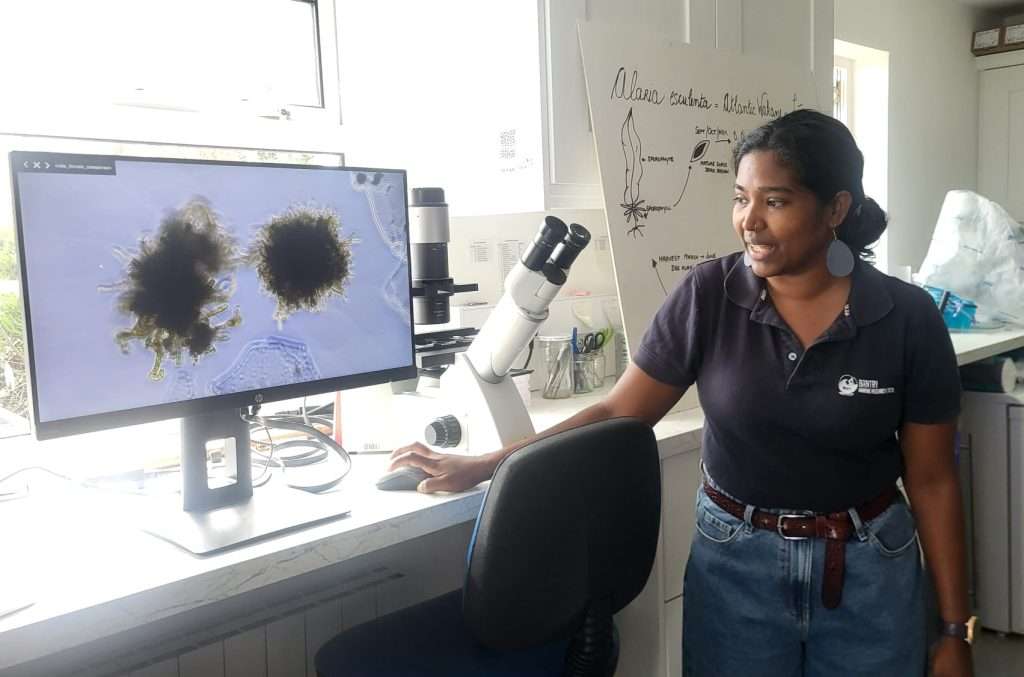
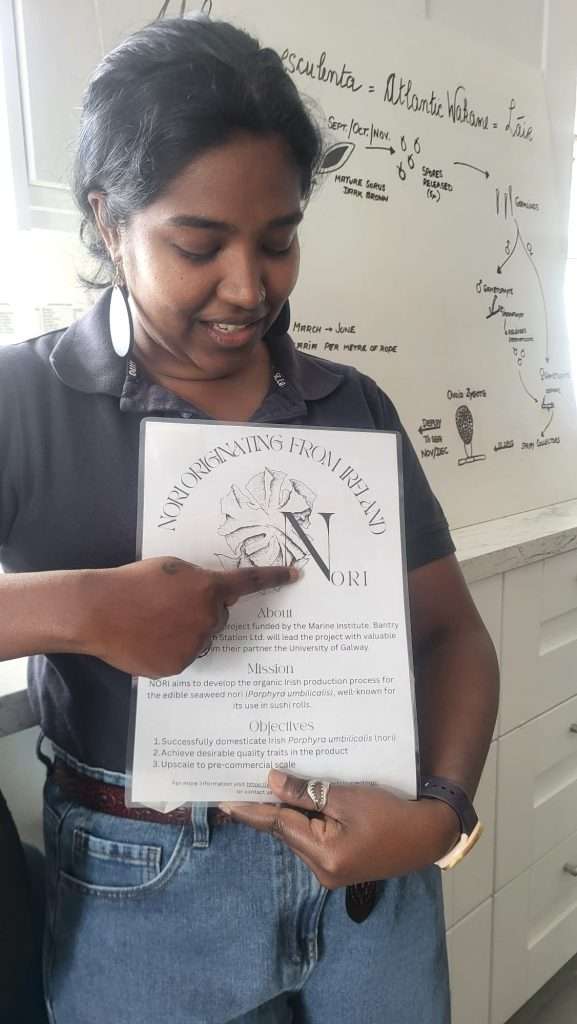
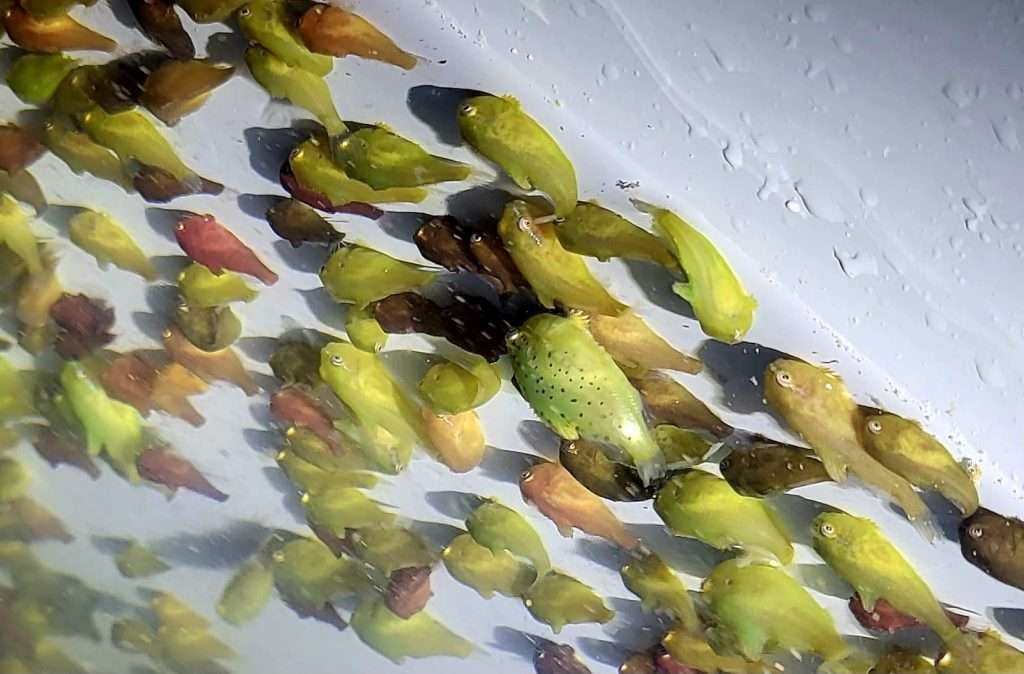
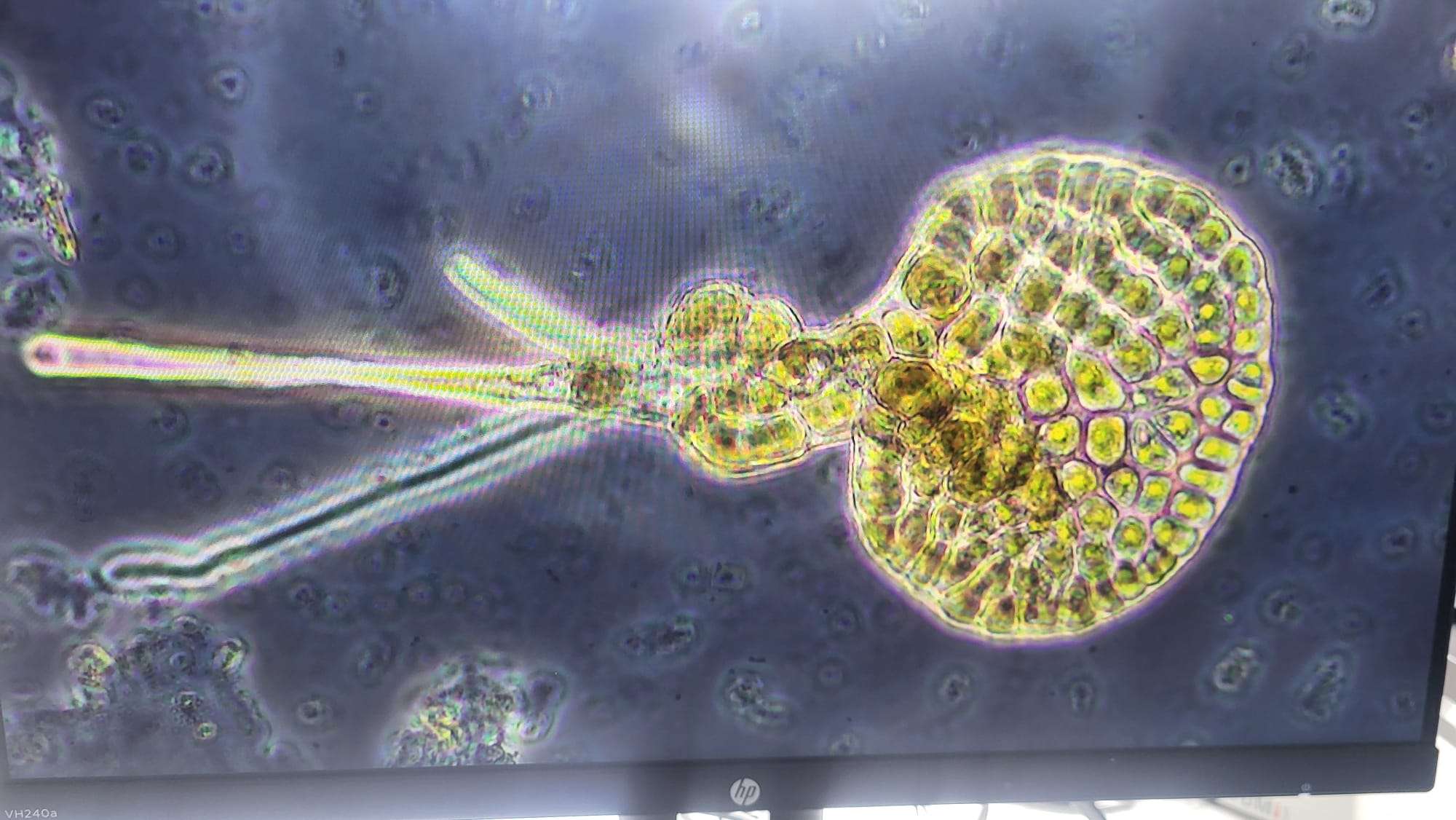
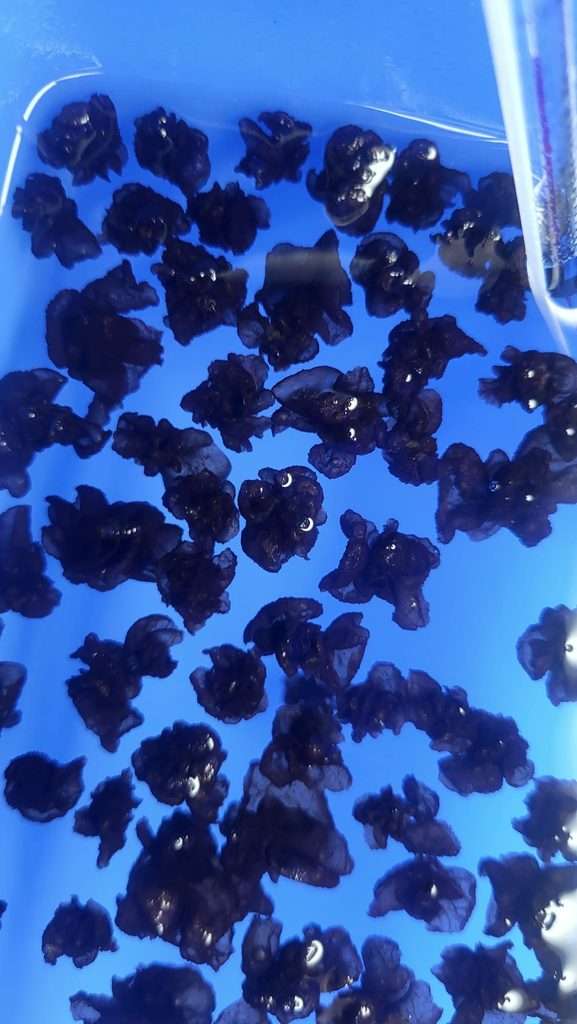
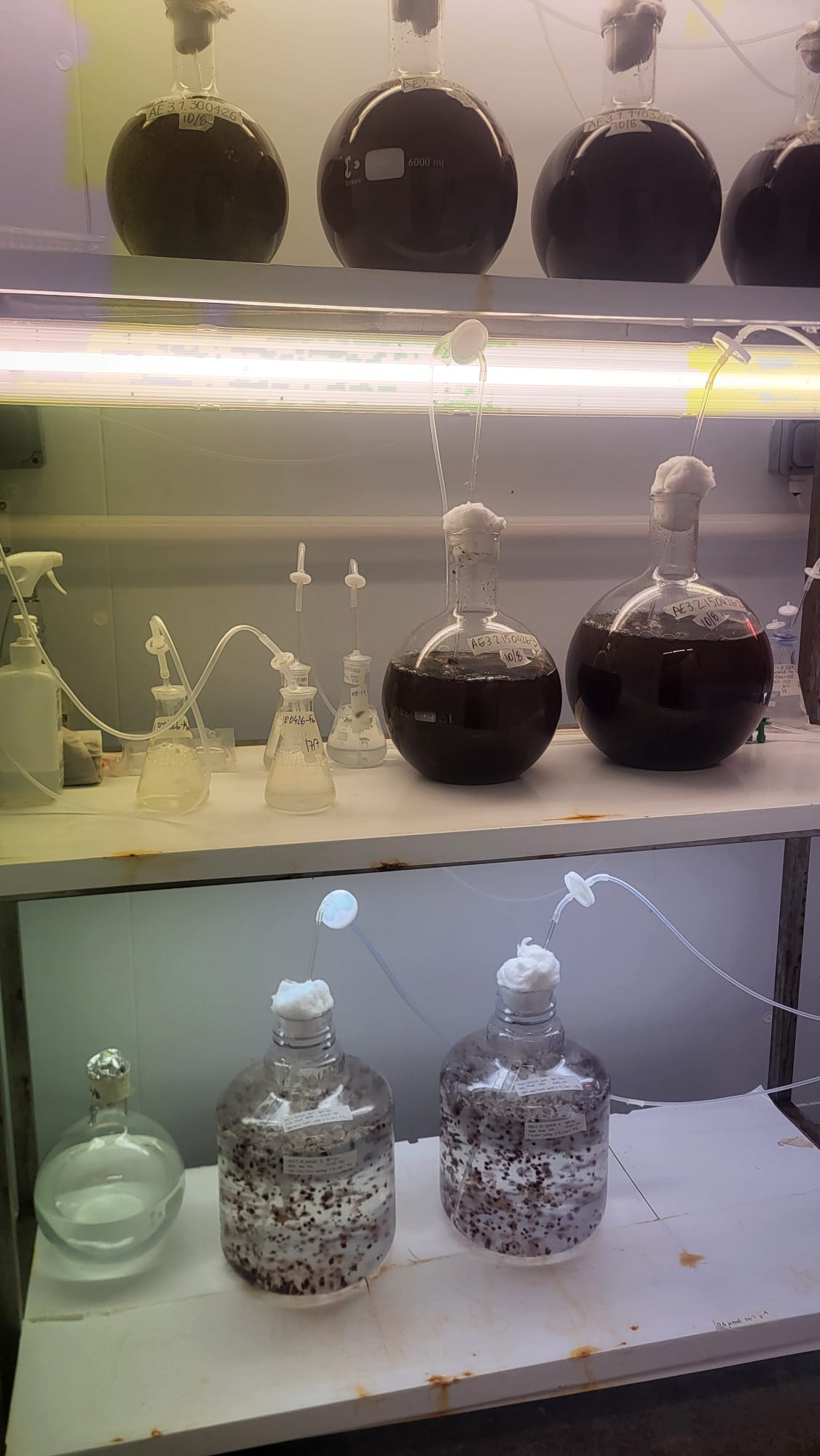
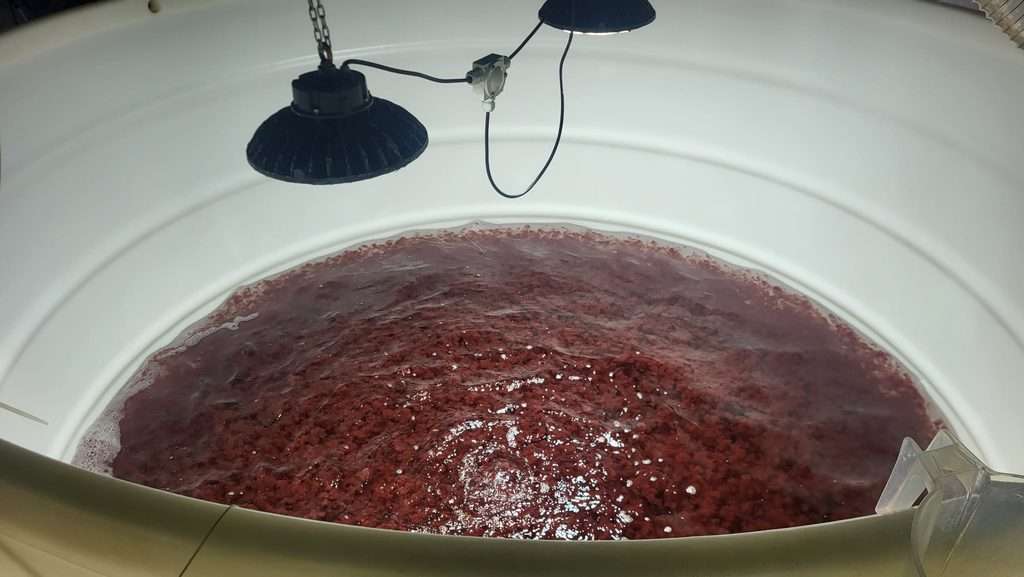
The people visiting BMRS got an insight into the seaweed research that is currently happening at the Station. Julie, Priya and Roderick showed them around the facilities and explained how they grow the seaweeds Asparagopsis armata, Alaris esculenta, Porphyra umbilicalis and Saccharina lattisima. During the tour they got an insight into the inner workings of a seaweed nursery. The nursery produces seaweed “seeds” and juvenile blades for the own growing at sea or in tanks. From the shores Roderick showed them the seaweed Demo site from the PHAROS project and explained what it entails. They got an insight into how the seaweed captures the nutrients that flow from the salmon farm. He also explained the biodiversity study included within the Demo site. Roderick also highlighted the importance of citizen science and how the Minka platform helps with this. After learning about seaweed cultivation at sea, the tour went in to the facility where seaweed is cultivated on land. Here BMRS grows two red species of seaweed, A. armata and P. umbilicalis (Atlantic nori). A. armata is mainly grown as a food supplement for cattle to mitigate methane emission from cow, while nori is grown as a food source to replace the nori imported from Asia. After all the seaweed talk the tour finished at the lumpfish hatchery. Lumpfish are cleaner fish who are used to clean sea lice attached to salmon.