Living Labs

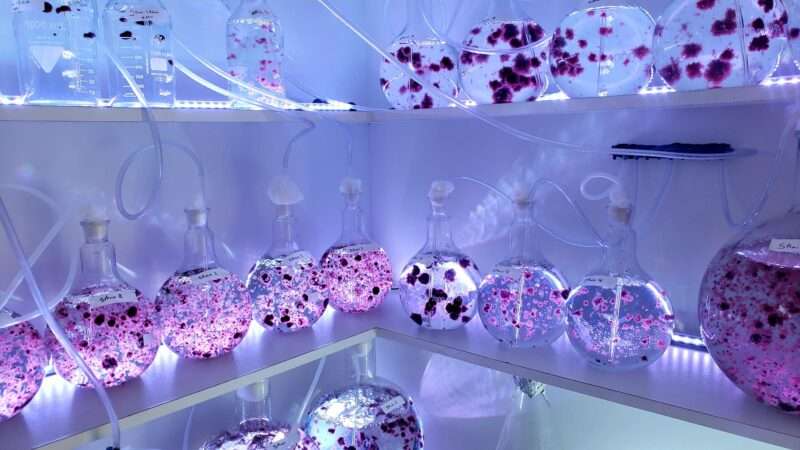
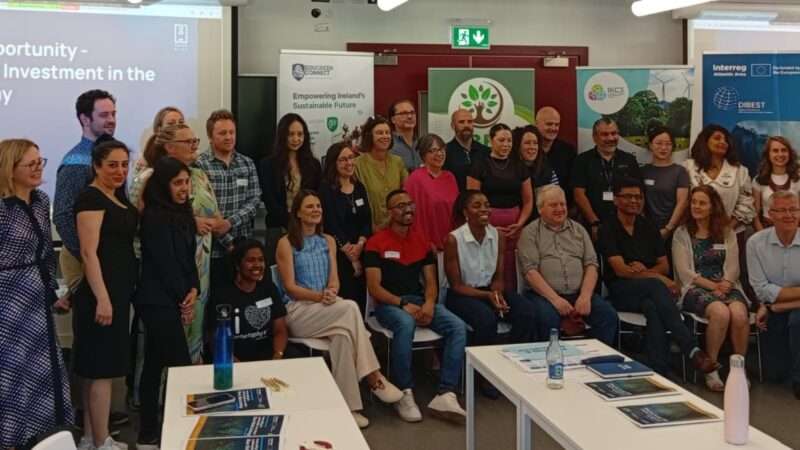
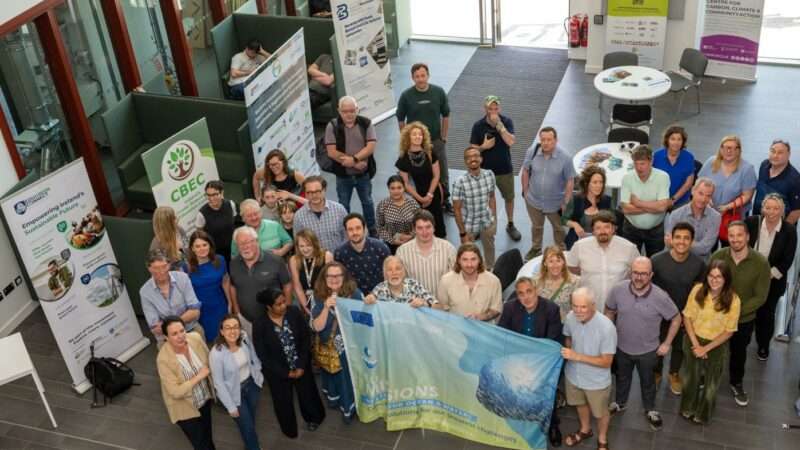
The Living Labs are a core part of the PHAROS project. They empower key local community actors across each demo and replication site to co-develop and manage nature based solutions and marine restoration activities alongside the PHAROS consortium partners.

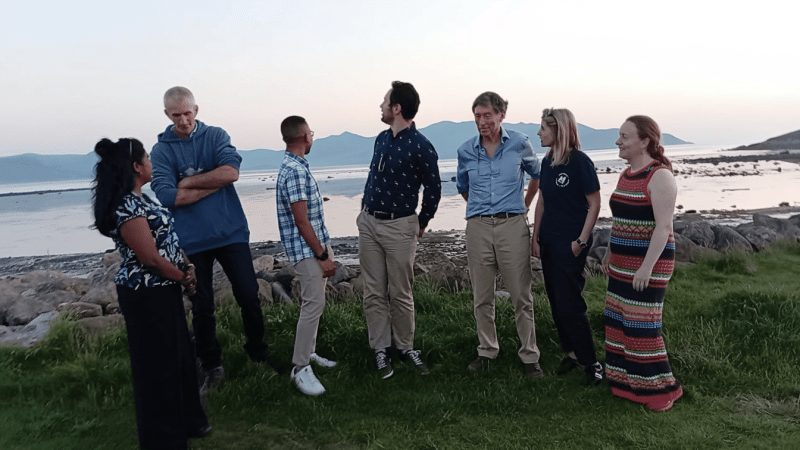
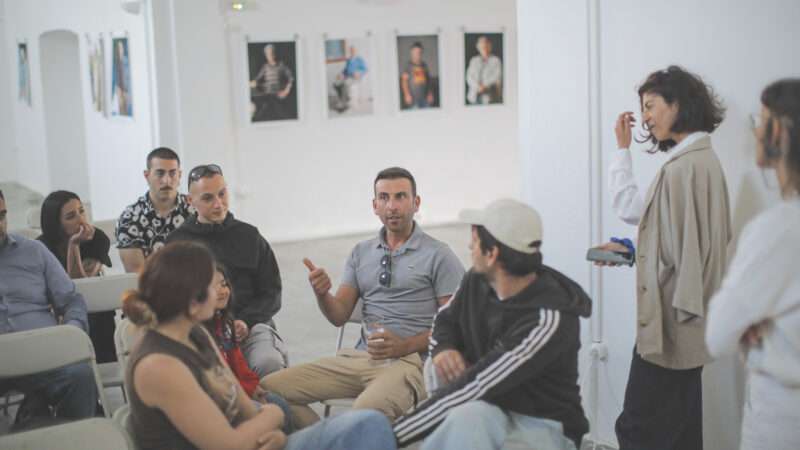
Local residents, fishers, teachers, business owners, and local government officials all take part. Activities are organised as local hubs, real world spaces where scientists, fishers, students, and entrepreneurs come together to actually shape what happens. They ask questions, share what they know, try out new ideas, and work out what works for their own stretch of coast. The whole point is to make sure the solutions we test are locally wanted, locally owned, and built to last.

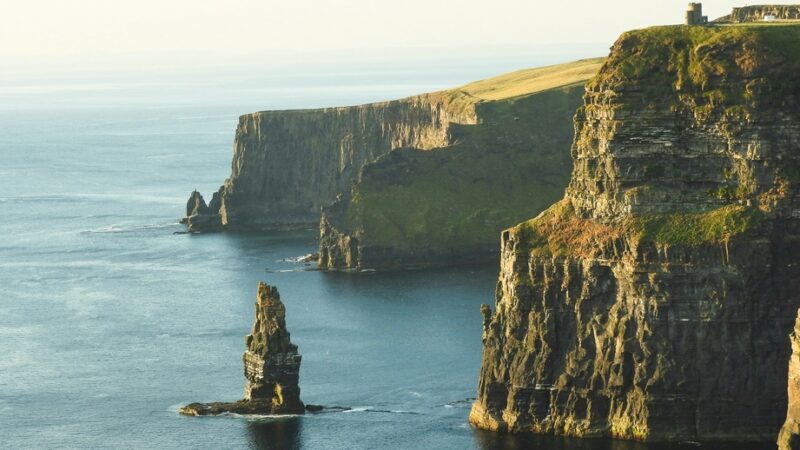
Lanzarote (Spain)

Based on the Gran Canaria model, this emerging Living Lab focuses on marine biodiversity monitoring and circular economy strategies, building awareness and behaviour change around blue economy issues. It uses MINKA primarily for biodiversity observation and species mapping, with tailored activities for schools, diving clubs, and local volunteers. The lab engages with marine reserves, diving centres, waste management authorities, and RedPROMAR collaborators, leveraging Gran Canaria networks and experiences to launch citizen science campaigns starting January 2026.

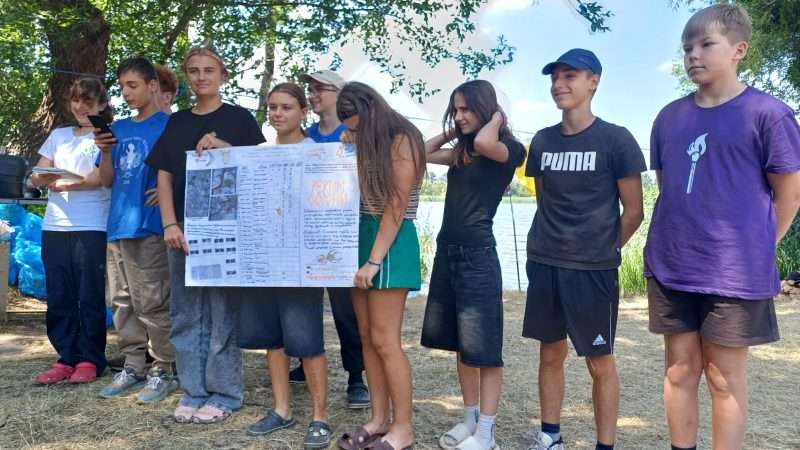
Danube Delta

Coordinated by IZNASU and LPNU, this Living Lab focuses on biodiversity monitoring of invasive species and their interactions with native biota using citizen science and eDNA in wetlands, river‑delta ecosystems, and coastal areas. It emphasises youth engagement and environmental awareness in a post‑conflict context. MINKA has been translated into Ukrainian, and the lab is included in Ukraine’s European Research Area roadmap. It collaborates with UkrBIN for data sharing and explores algae integration in IMTA and blue economy prospects.

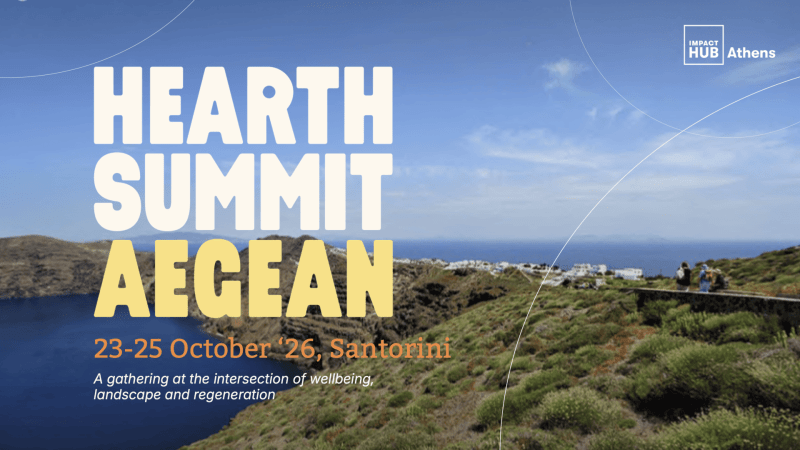
Santorini (Greece)

Coordinated by IHA, this island‑focused Living Lab addresses marine litter prevention, blue circular economy, and youth engagement. It uses MINKA’s deliberative functions and will test marine litter recording through the platform. The lab involves Aegean Rebreath, Blue Cycle, the Municipality of Thira, the Port Authority, local schools, and HCMR. Activities include Blue Schools initiatives and CLE‑style projects like coastal cleanups, with co‑creation and training activities planned from 2026 onwards.

Privacy Preferences

When you visit our website, it may store information through your browser from specific services, usually in the form of cookies. Our Privacy Policy can be read here.

Here you can change your Privacy preferences. It is worth noting that blocking some types of cookies may impact your experience on our website and the services we are able to offer.

Click to enable/disable Google Analytics tracking code.
Click to enable/disable Google Fonts.
Click to enable/disable Google Maps.
Click to enable/disable video embeds.
Our website uses cookies, mainly from 3rd party services. Define your Privacy Preferences and/or agree to our use of cookies.