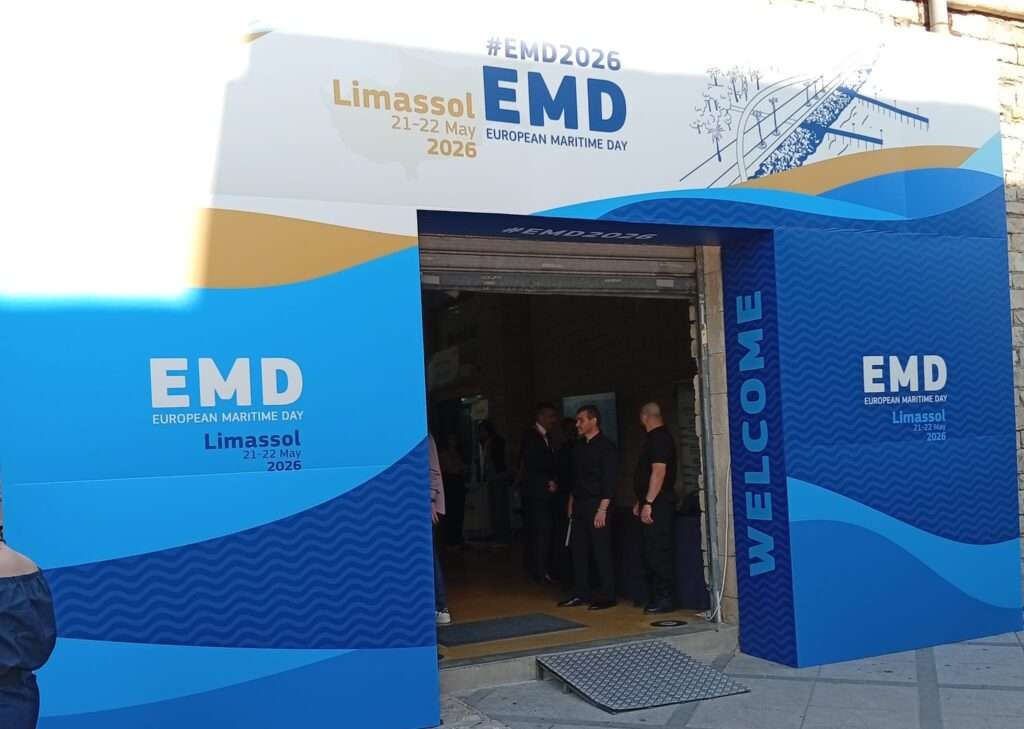
Diving Into the PHAROS Future: Virtual Reality at European Maritime Days in Limassol
Diving Into the PHAROS Future: Virtual Reality at European Maritime Days in Limassol https://pharosproject.eu/wp-content/uploads/2026/05/WhatsApp-Image-2026-05-23-at-17.16.30-1024x729.jpeg 1024 729 PHAROS Project https://pharosproject.eu/wp-content/uploads/2026/05/WhatsApp-Image-2026-05-23-at-17.16.30-1024x729.jpegAmong the hundreds of delegates, policymakers, and ocean scientists who gathered for the European Commission’s flagship maritime gathering “European Maritime Days” stood Sal Music, Head of Communications at ICoRSA, representing the PHAROS project, and brought something the conference hadn’t quite seen: a fully immersive virtual reality dive into the future of ocean restoration.
The event, co-organised by the European Commission, the Shipping Deputy Ministry of the Republic of Cyprus, and Limassol Municipality, brought together Europe’s leading ocean leaders under the theme of maritime affairs and a sustainable blue economy. But it was at the joint exhibition booth, a collaborative effort uniting several Mission Ocean and Waters projects under the MPA Community Network, where the future felt most immediate.
Visitors who slipped on a pair of Meta (Oculus) goggles found themselves instantly transported to the Gran Canaria demonstration site. There, swimming alongside digital fish and navigating through experimental artificial reefs, they could witness firsthand the technologies being deployed to tackle some of the ocean’s most pressing challenges: enhancing water circulation, promoting carbon sequestration, and helping restore native species to degraded seabeds.
“People were genuinely moved,” Music said of the response. “When you can literally see what restoration looks like, when you can dive through it, the science becomes tangible in a way that graphs and presentations simply cannot achieve.”
The PHAROS exhibition space, which Music helped set up, quickly became a hub of activity. But the project was not alone. The joint booth served as a showcase for a constellation of EU-funded initiatives all pulling in the same direction.
The MPA Solutions Hub and its suite of tools drew steady crowds eager to learn how marine protected areas can be more effectively managed. The BioProtect Project demonstrated its Marine Planner, a decision-support tool designed to bring more science and less guesswork to ocean governance. Meanwhile, BLUE CONNECT, BLUE4ALL, and MSP4BIO shared hard-won insights on stakeholder engagement, ocean literacy, and community-led restoration efforts.
Adding further depth to the booth was EFFECTIVE, whose team introduced visitors to the COSEA App alongside a range of other project outputs designed to bridge the gap between marine science and public action.
“The energy at that booth was remarkable,” said one attendee who requested anonymity to speak freely. “You had all these different projects, different teams, different mandates, but everyone was asking the same question: how do we actually make marine protection work? And they were sharing real answers.”
Beyond the exhibition floor, Music used the gathering to strengthen connections with some of European marine policy’s most influential figures. He also met with Jacques Delsalle, Senior Expert at DG MARE; Harald Hasler-Sheetal, Strategic Science Leader at ICES and Mission Ocean lead; Kestutis Sadauskas, Deputy Director General of DG MARE; Charlotte Gugenheim, Team Leader for Communication at DG MARE; and Loic Blanchard, Policy Officer for Healthy Ocean and Seas, who implements Horizon Europe through sea-basin cooperation on marine and maritime research and innovation policy.
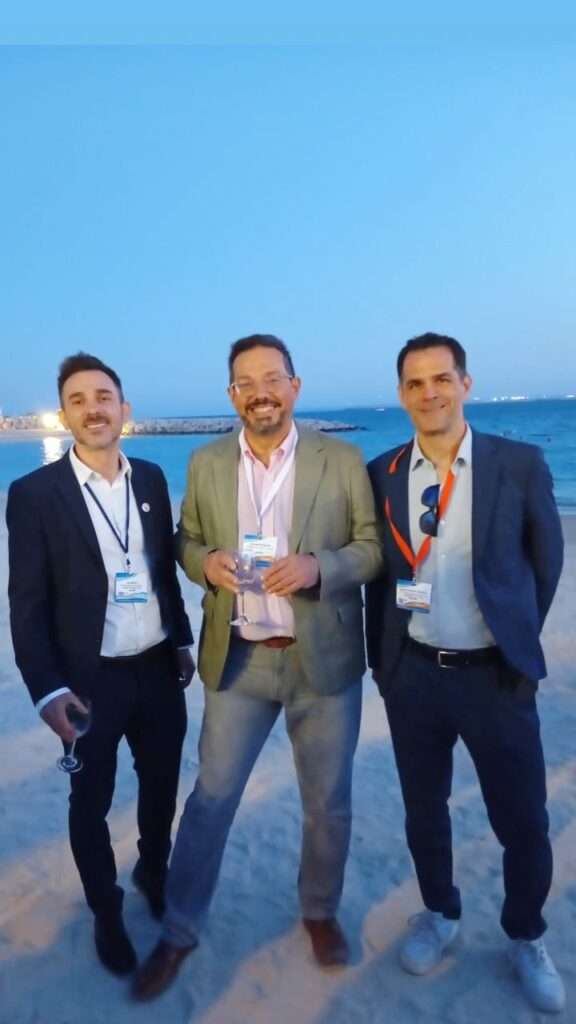
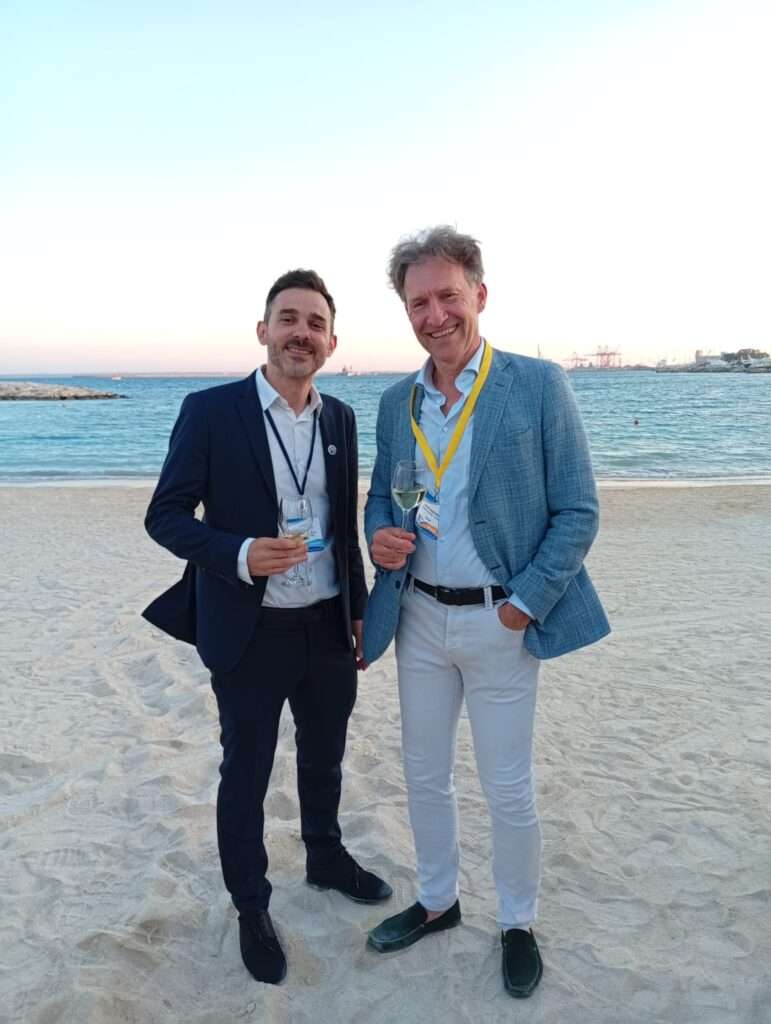
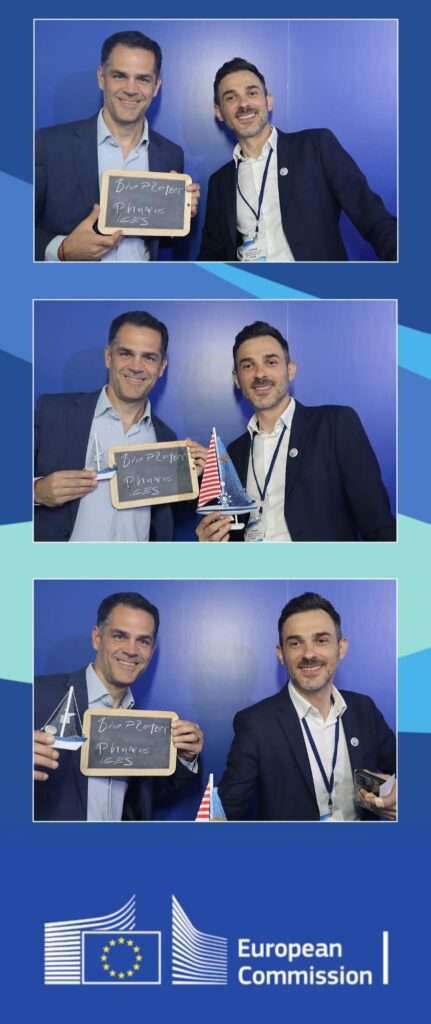
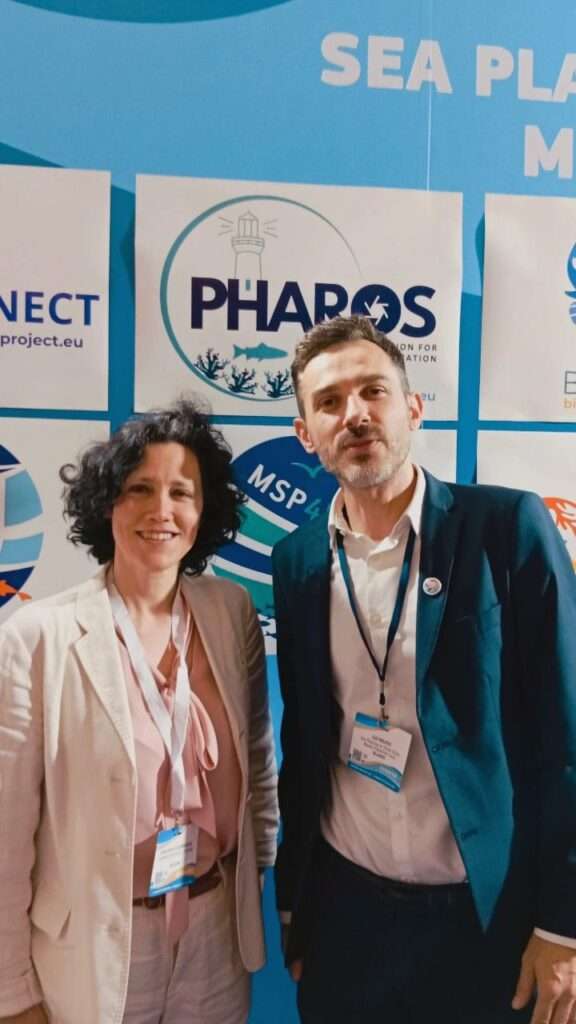
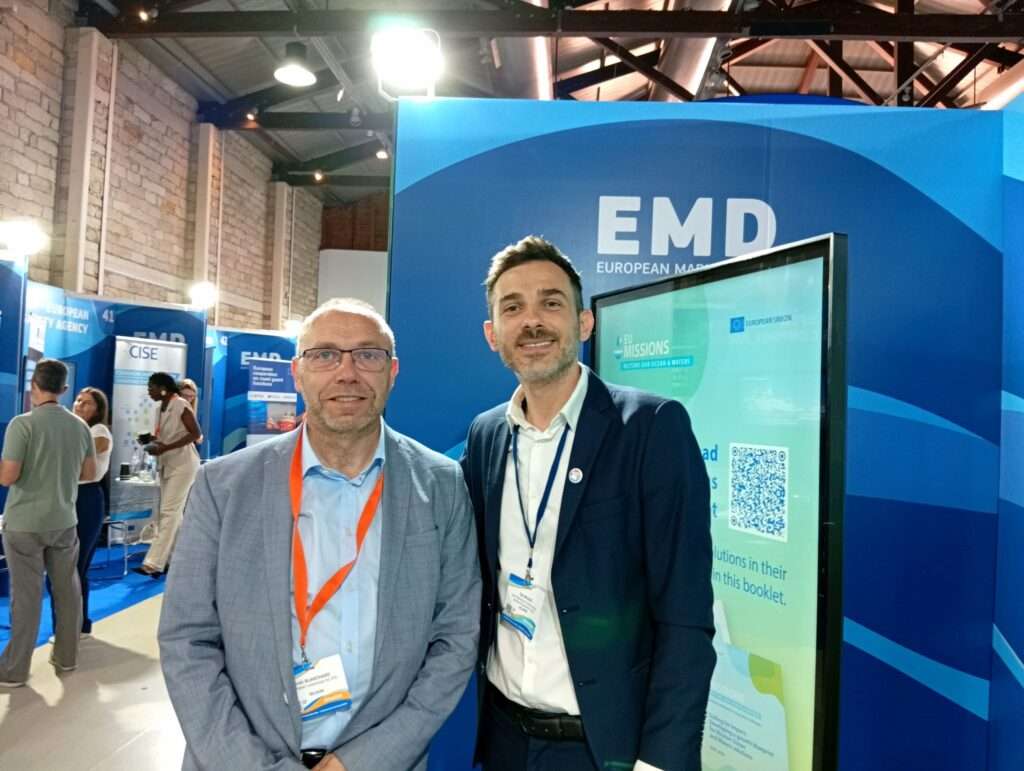
The timing of these conversations was no accident. With the European Commission pushing forward its ambitious Mission Ocean and Waters agenda, the role of projects like PHAROS, which bridge research with public engagement, has never been more critical.
As the two-day event drew to a close, the MPA Community Network wrapped up proceedings with a palpable sense of momentum. “We’re buzzing about how many great conversations and ideas came out of these valuable two days,” all participants reflected.
For those who missed the action in Limassol, the full programme remains available online – a digital archive of an event that, ironically, spent much of its time looking not at screens, but into a virtual ocean.
Full programme available at:
Day 1
Day 2
And the next stop? Santander, Spain, where the European Maritime Days will dock next year.