Ireland Living Lab

Restoring Ireland’s coast, together.

What is the Ireland Living Lab?

The Ireland Living Lab is a community-led marine restoration initiative established by Munster Technological University Kerry and Bantry Marine Research Station.

It operates through a blue economy innovation space under the PHAROS project and works to advance marine restoration, ocean literacy and the blue economy in Ireland.

The lab brings government, researchers, educators, businesses and local communities together, turning shared ideas into practical action.

Its three core goals are to reduce marine pollution, support the blue economy and develop sustainable practices. It delivers these through citizen engagement, school programmes and hands-on demonstrations, with learning and co-operation at the heart of its approach.

Why Ireland?

Ireland’s geography makes it a natural fit for a marine-focused living lab. Sixty per cent of the population lives within ten kilometres of the sea, and Irish waters are ten times the size of the land area. The country faces a pressing challenge: how to protect thirty per cent of its maritime area by 2030 while keeping coastal communities on board.

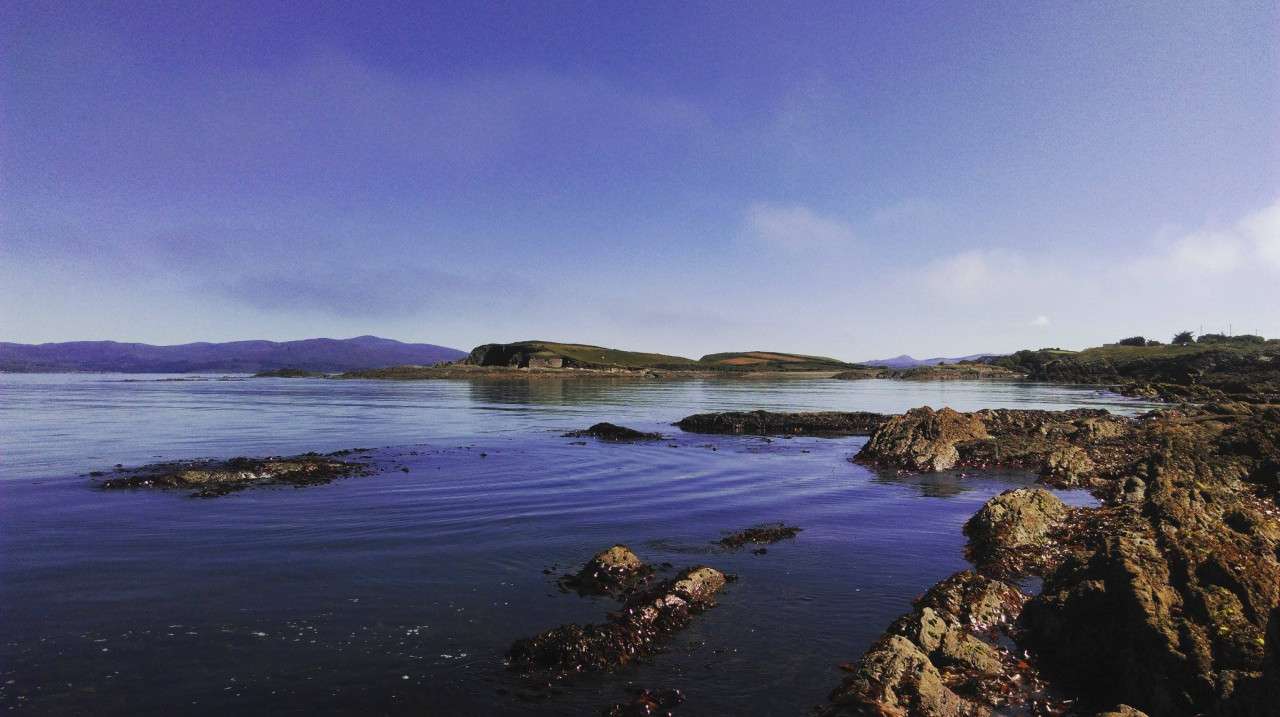
The southwest coast, particularly Kerry and West Cork, hosts ecologically sensitive shorelines, Europe’s last remaining native oyster beds in Tralee Bay, and active fishing communities whose knowledge is central to any restoration effort.

When it was launched?

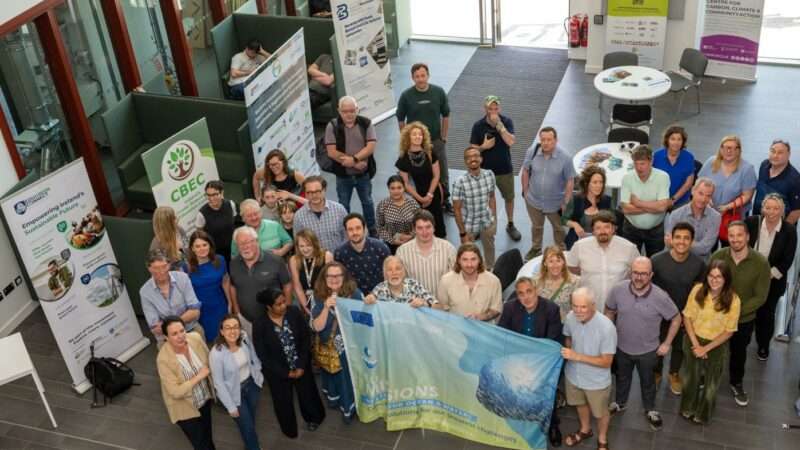
The Ireland Living Lab was launched over three days, from 26 to 28 May 2026, across Kerry and West Cork, drawing over 200 stakeholders from twelve countries. The first day opened at MTU Kerry’s new STEM building with a policy round table on effective Marine Protected Area management. More than sixty people attended in person and online to discuss how Ireland could meet its 30 by 30 commitment without alienating coastal communities that depend on the sea. A session called Waste to Worth showed how discarded fishing nets and ropes could be turned into 3D printed utensils, while the Fisher Guardians workshop explored ways to transform end of life fishing gear. That afternoon, the MINKA Living Lab was officially launched on the Maharees with local conservation volunteers, putting a citizen science platform into the hands of residents, schools and visitors to record biodiversity along the coast.

The second day began with two concurrent sessions: Blue Schools: Local School Project Showcase and PHAROS FUTURES – Blue Skills, focusing on ocean preservation and blue economy opportunities. At the Blue Economy Innovation and Skills Forum, Hatch Blue co-founder Wayne Murphy told the room that wild fisheries are ninety per cent fully exploited or overfished, adding that the ocean supplies just two per cent of the world’s food but thirty per cent of its protein, and that Ireland needs better bridges between research and commercial markets. A parallel Blue Schools workshop brought nearly thirty teachers to MTU’s new STEM building to explore ocean literacy and the EU Blue Schools network, celebrating Meán Scoil Nua an Leith Triúigh in Castlegregory, which won the Overall Prize at the Young Environmentalist Awards 2026 for its Ringed Plover conservation project. Only seventeen Irish schools are currently certified as Blue Schools. After lunch, participants visited Fenit for the Fisher Guardians Workshop, where alongside local fishers they explored the Tralee Bay native oyster beds, believed to be Europe’s last remaining, while discussing ocean preservation.
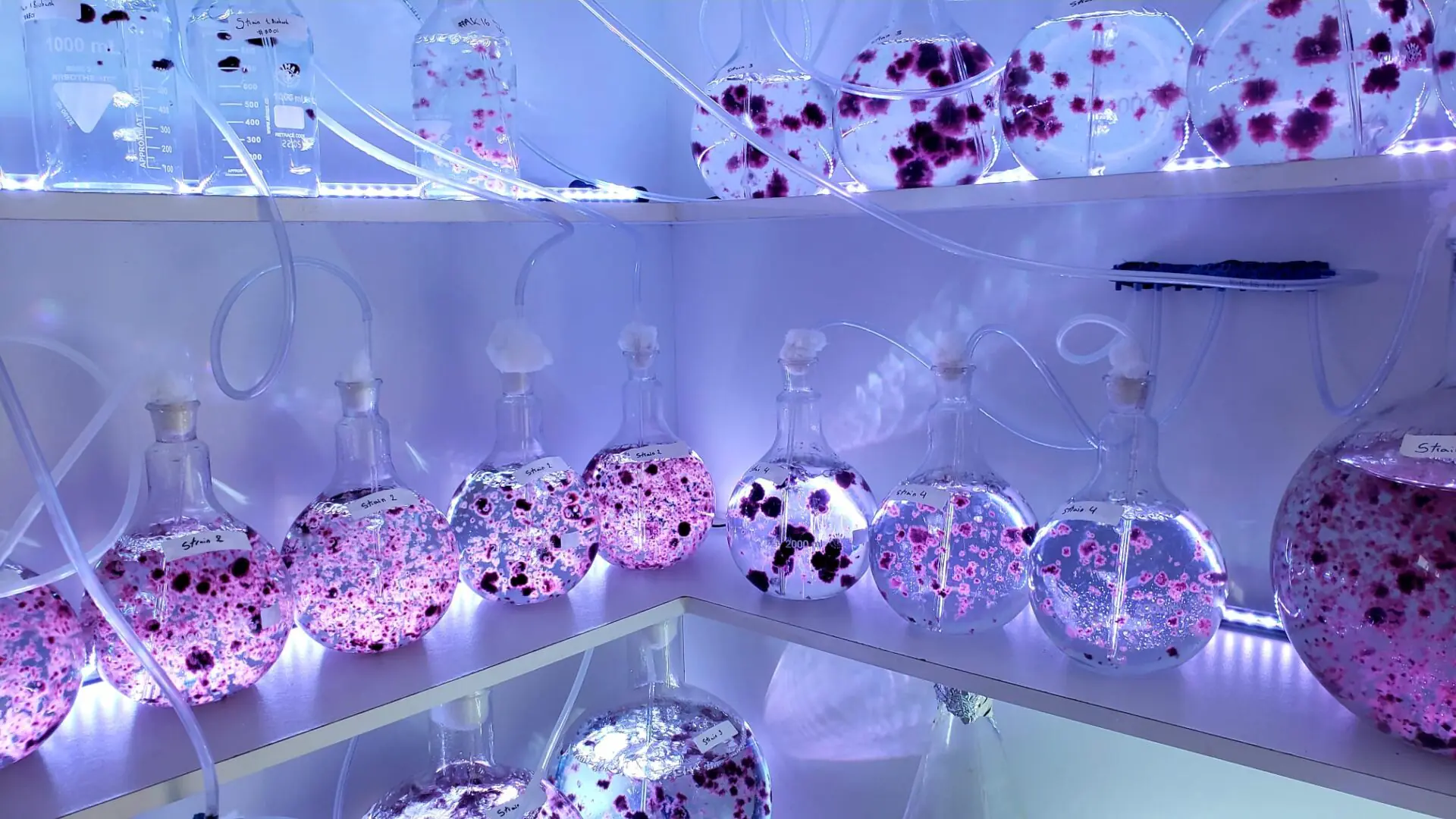
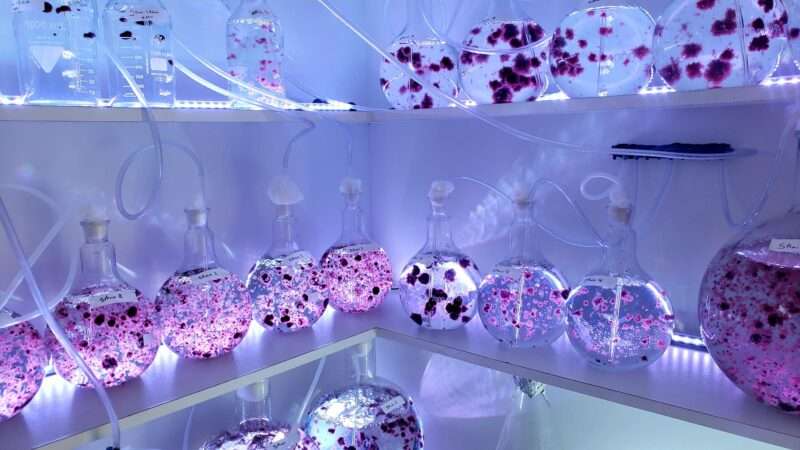
The final day moved to Bantry Bay in County Cork, where Dr Julie Maguire led a tour of the Bantry Marine Research Station’s kelp farm. Delegates saw winged and sugar kelp cultivated alongside a seaweed and fish hatchery, and learned how this nature based solution supports ecosystem restoration near a salmon farm. The system shows how seaweed can absorb excess nutrients from fish farming, creating a more circular approach to aquaculture. The visit closed the three day event, leaving participants with a practical example of how research, community action and the blue economy can work together along the Irish coast.

IRELAND LIVING LAB NEWS

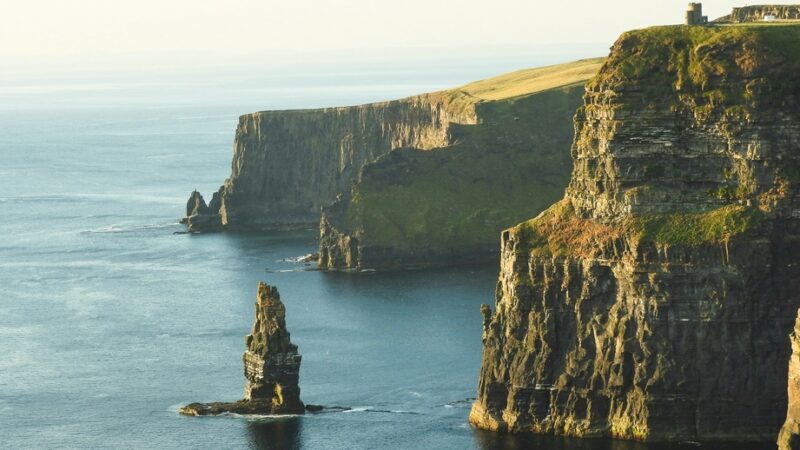
Ireland Cliff
PHAROS: Irish Seaweed Trials Cut Salmon Farm Pollution
PHAROS: Irish Seaweed Trials Cut Salmon Farm Pollution 921 691 PHAROS Project

Dr Julie Maguire shows how Bantry Bay’s seaweed cultivation cuts fish farm waste and boosts biodiversity in the PHAROS project. Kelp was grown near a salmon farm in Cork, with more marine life at the IMTA site. The control site grew more kelp.

PHAROS Future- Blue Skills session report: Ireland’s Blue Economy
PHAROS Future- Blue Skills session report: Ireland’s Blue Economy 1024 423 PHAROS Project

Blue Skills session at MTU brought together researchers, industry and innovators to ask who will crew Ireland’s growing blue economy and what skills they will need. Talks covered fisheries, seaweed and coastal tourism.

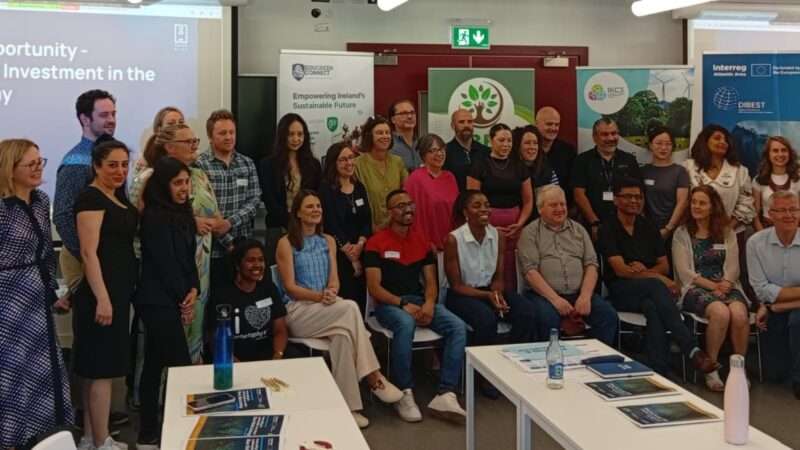
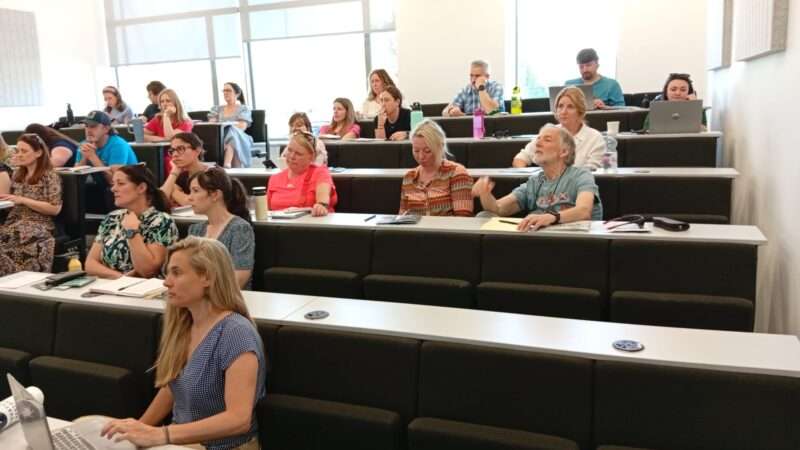
Blue Schools workshop held at MTU Kerry as part of PHAROS Irish Living Lab event 
Blue Schools workshop held at MTU Kerry as part of PHAROS Irish Living Lab event  1024 771 PHAROS Project

The first Blue Schools Workshop at MTU Kerry brought nearly thirty teachers together to explore ocean literacy and the EU Blue Schools network. A Kerry school won a Young Environmentalist Award. Only seventeen Irish schools are certified.

Irish Living Lab Day 3: Bantry Marine Research Station
Irish Living Lab Day 3: Bantry Marine Research Station 1024 576 PHAROS Project

Can farmed seaweed, placed 200 metres from a salmon farm, restore habitats? PHAROS data from Bantry Bay shows more biodiversity at the IMTA site, but more kelp at the control site. Winged and sugar kelp were grown near the salmon farm.

Effective MPA Management: More than 60 people in person and online gathered at the Irish Living Lab Event
Effective MPA Management: More than 60 people in person and online gathered at the Irish Living Lab Event 1024 707 PHAROS Project

Over 60 people met at MTU to discuss how Ireland can protect 30 per cent of its seas by 2030 without alienating coastal communities that depend on them. The session focused on trust, data and community involvement in protected areas.

Ireland Living Lab Day 2: Blue Economy Innovation & Skills Forum gets under way at MTU Tralee
Ireland Living Lab Day 2: Blue Economy Innovation & Skills Forum gets under way at MTU Tralee 1024 423 PHAROS Project

The Blue Economy Innovation and Skills Forum at MTU explored Ireland’s ocean industries and the talent needed to power them. Wayne Murphy gave a global view on aquaculture and blue innovation that covers fisheries, seaweed, coastal tourism.

PHAROS Irish Living Lab Day 1: Ireland Charts Course for 30×30: Marine Protected Areas Take Centre Stage at MTU, Kerry
PHAROS Irish Living Lab Day 1: Ireland Charts Course for 30×30: Marine Protected Areas Take Centre Stage at MTU, Kerry 1024 707 PHAROS Project

Over 60 marine scientists, policymakers, and coastal stakeholders convened in person and online at Munster Technological University’s new STEM building for the first session of the PHAROS Irish Living Lab Event, focused on effective management of marine protected areas (MPAs).

KEY ACTIVITIES

Reducing marine pollution, promoting blue economy, and developing sustainable practices...

MINKA - Citizen Science

MINKA builds a long-term record of Ireland’s coast. Now in use on the Maharees, it can widen to other communities in Kerry and West Cork, expanding into coastal erosion, dune protection and marine plastics. The Seasonal Snapshot Challenge invites schools across the Atlantic and Arctic to record biodiversity each season, creating evidence no single team could gather alone.

FISHER GUARDIANS

Fisher Guardians puts fishing communities at the centre of marine waste solutions. The next phase is to work with more harbours and crews on handling end of life nets, ropes and gear through collection, repurposing or new revenue streams. The Tralee Bay Oyster Fisheries Society shows what local stewardship looks like and can be shared. Linking gear recovery to circular economy work turns waste into a material stream.

BLUE SCHOOLS

Blue Schools embeds ocean literacy in Irish classrooms. With only seventeen certified schools, the opportunity is to build a Kerry cluster as a template for other counties. The Living Lab can help teachers map existing water related work onto certification, making it recognition rather than paperwork. Castlegregory’s award winning Ringed Plover project shows what pupils can achieve with a real local issue.

CITIZEN LITTER ENTREPRENEURS

Citizen Litter Entrepreneurs treats marine litter as a resource. The programme offers guidance, training and tools to individuals and community groups starting enterprises that valorise collected plastic, giving businesses zero waste options. Connecting these enterprises to biorefinery and innovation work from the Blue Economy strand means collected material feeds into products rather than landfill.

MPA

MPAs are where the Living Lab can influence policy most directly. Ireland must protect thirty per cent of its maritime area by 2030 without repeating paper parks. The Living Lab gives government, researchers and communities a space to work through trust, data and who gets a say. Local fishers already act as custodians, as the Tralee Bay oyster beds show, and that stewardship should be built into new protected areas from the start.

BLUE ECONOMY

The Blue Economy strand asks who will crew Ireland’s marine sectors and what skills they need. The opportunity is to map future jobs across fisheries, aquaculture, seaweed cultivation and coastal tourism, then build training to match. Circular economy models, biorefinery and blue biotechnology can extract more value from by products like oyster shells. The Living Lab bridges university research and businesses, with a 2028 mega event to measure progress.

Privacy Preferences

When you visit our website, it may store information through your browser from specific services, usually in the form of cookies. Our Privacy Policy can be read here.

Here you can change your Privacy preferences. It is worth noting that blocking some types of cookies may impact your experience on our website and the services we are able to offer.

Click to enable/disable Google Analytics tracking code.
Click to enable/disable Google Fonts.
Click to enable/disable Google Maps.
Click to enable/disable video embeds.
Our website uses cookies, mainly from 3rd party services. Define your Privacy Preferences and/or agree to our use of cookies.