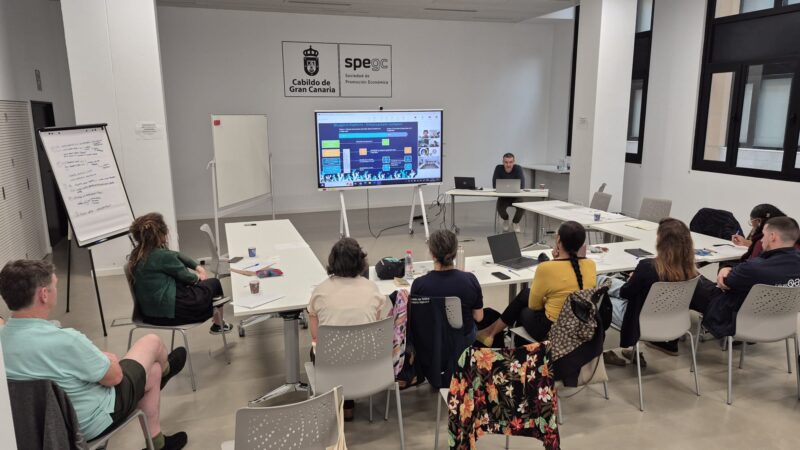
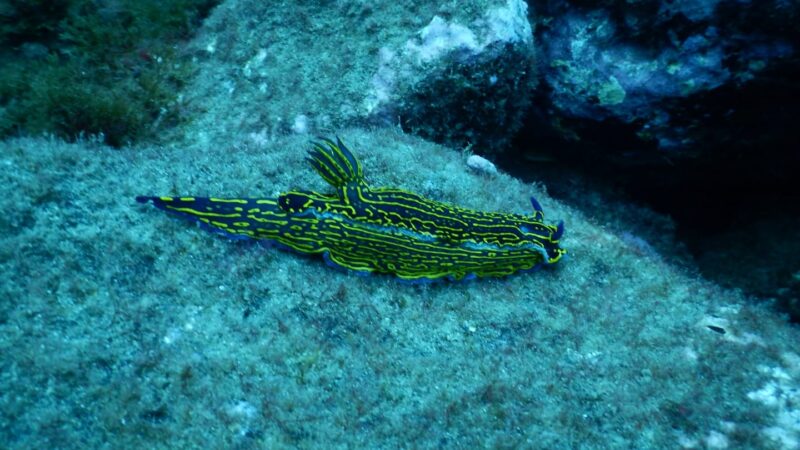
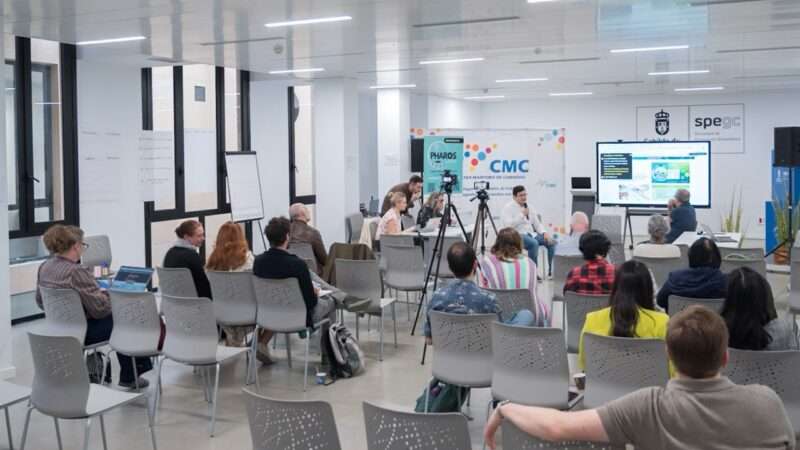
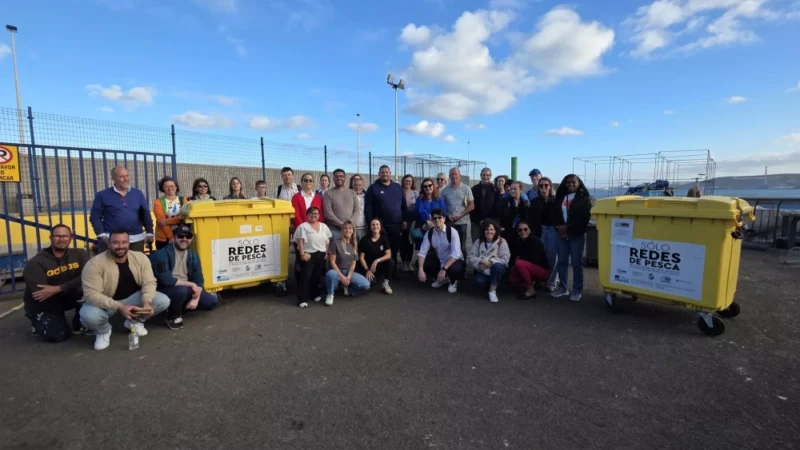
MarCoLab follows the PHAROS Living Lab methodology, which is adapted from the European Network of Living Labs (ENoLL) and grounded in participatory and iterative processes. The methodology integrates different tools and steps that serve both as a roadmap and a flexible guide that each Living Lab can adapt to its maturity, institutional environment and stakeholder readiness.
The implementation process is divided into five key phases: strategic co-definition of scope and structure, stakeholder identification and engagement, collaborative design of actions and evaluation criteria, risk and capacity assessment, and planning and launching of co-creation activities. These phases are complemented by ongoing monitoring and evaluation.
The Living Lab is structured around the quadruple helix model, engaging public authorities, businesses, academia and civil society. The quintuple helix adds environmental considerations directly into the governance and co-creation process. This multi-stakeholder approach ensures that solutions are not only technically sound but also socially acceptable, locally owned and contextually relevant.
Key principles of the methodology include co-creation, which engages citizens from the earliest stages; real-life settings, which embed innovation within the environmental and societal context; multi-stakeholder participation; openness and transparency; and iteration and feedback, promoting adaptive design through constant stakeholder dialogue.
The Gran Canaria Living Lab has also been a test case for developing best practices in Blue Economy Living Labs. Its launch and early activities have informed the development of the PHAROS Living Lab Implementation Guide, which provides templates, tools and methodological instructions for stakeholder mapping, activity co-design, governance, evaluation and adaptation to local contexts.