Danube Delta

Living Lab - Black Sea Initiative

What is the Delta Danube Living Lab?

The Danube Delta Living Lab is a collaborative initiative that brings people, ideas and actions together in a “living” field of cooperation. It operates as a living system of collaboration, learning and action, with three core goalsreducing marine pollutionpromoting the circular economy, and developing sustainable practices in the Danube Delta and Black Sea region.

The Living Lab brings together research projectsinnovation initiativeslocal organisations and professionalsschools and residents. The aim is to connect immediate environmental action with long-term systemic change, creating a dynamic community of practice.

The Danube Delta Living Lab is one of several replication Living Labs established under PHAROS, alongside sites in Gran Canaria (Spain)IcelandIrelandSantorini (Greece) and Lanzarote. Each Living Lab adapts the PHAROS methodology to its local ecological and socio-economic context, while following a common framework for stakeholder engagement, co-creation and citizen science.

Why the Danube Delta?

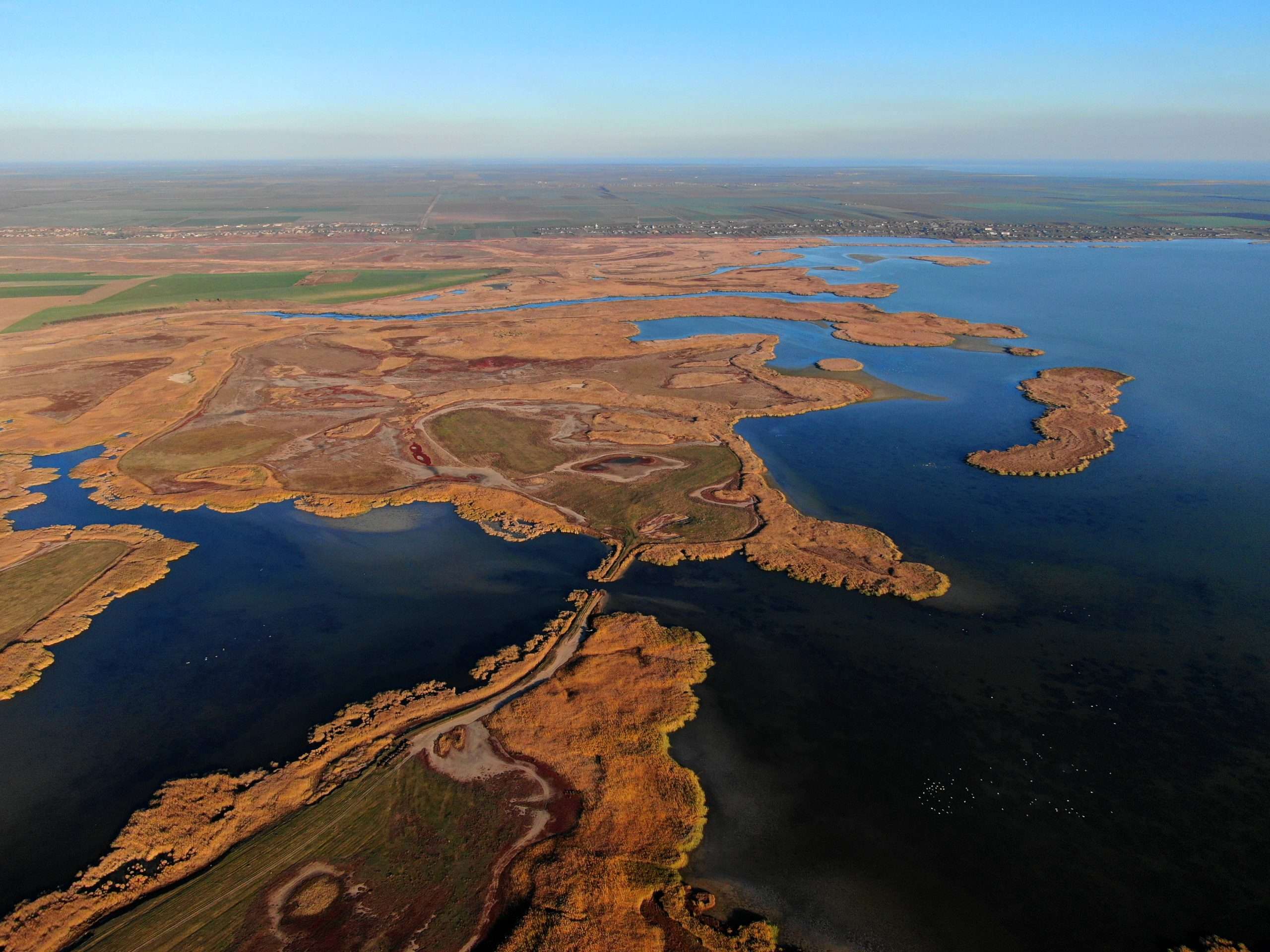
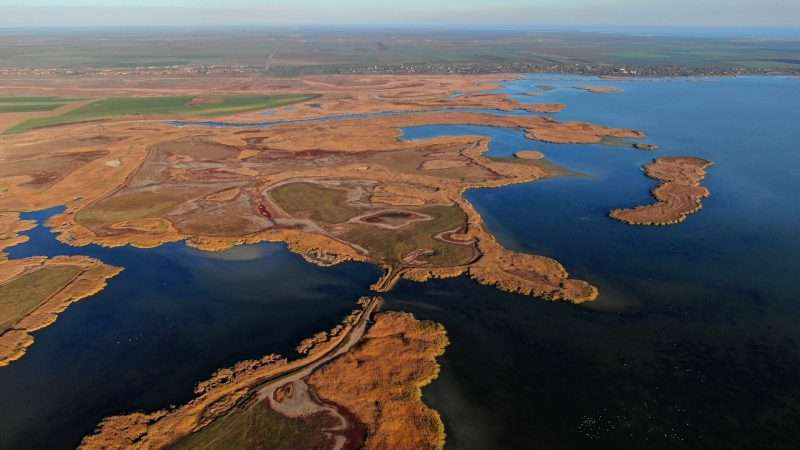
The Danube Delta is a massive wetland where the Danube River spills into the Black Seastraddling Romania and Ukraine. It is one of Europe’s most important wetlandsfamous for its birds, fish and staggering plant diversity. It acts like a giant natural filtercleaning water as it passes through. However, this fragile and vital ecosystem is under increasing pressure from pollution, climate change, invasive species, and weaknesses in resource management and circular practices.

The protection of marine and terrestrial ecosystems requires coordinated action that links the marine environment with water, energy, food and waste management on land. Through a bioregional approach, the Living Lab promotes the restoration of ecological balance and the strengthening of resilience in local ecosystems across the Danube basin, the Black Sea and the surrounding territories of Ukraine, Romania and Moldova.
When was it launched?

The Danube Delta Open Living Lab officially launched in spring 2025building a network of contributors including locals, visitors, school groups and NGOs. The framework for the Living Lab was developed by the Schmalhausen Institute of Zoology in Kyivdrawing on the priorities of the PHAROS project (Lighthouse for Atlantic and Arctic Basin)an EU-funded Horizon Europe project that supports the EU Mission to “Restore Our Ocean and Waters by 2030”.

The Living Lab is built on “open science” principles: the idea that research should be accessible, transparent and participatory. The citizen science platform operates through the European platform MINKA, where participants upload photographic observations with location and time stamps.

DELTA DANUBE LIVING LAB NEWS

Danube Delta Living Lab: Odesa region Schoolkids turn summer camp into scientific data dump with 300 wildlife records
Danube Delta Living Lab: Odesa region Schoolkids turn summer camp into scientific data dump with 300 wildlife records 1024 768 PHAROS Project

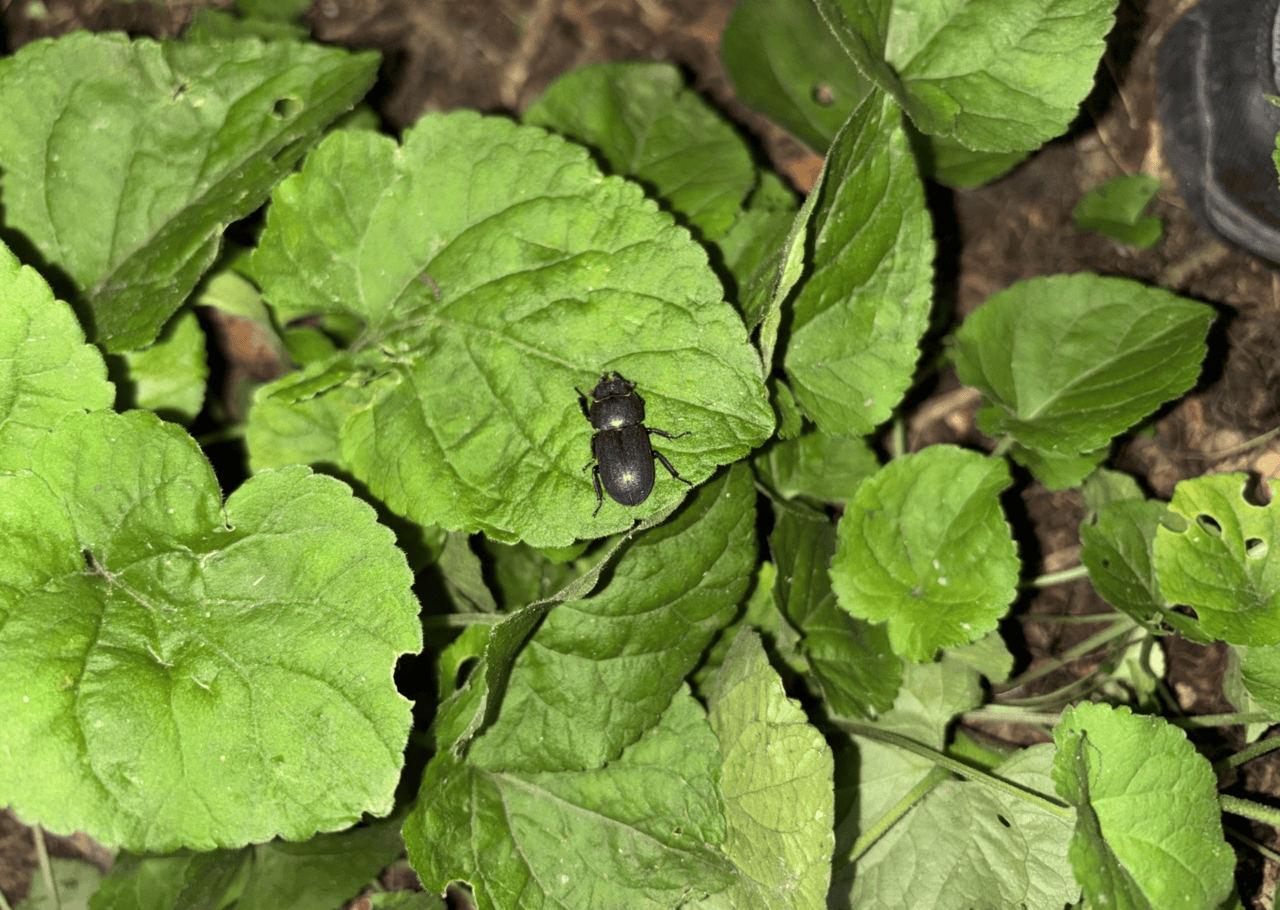
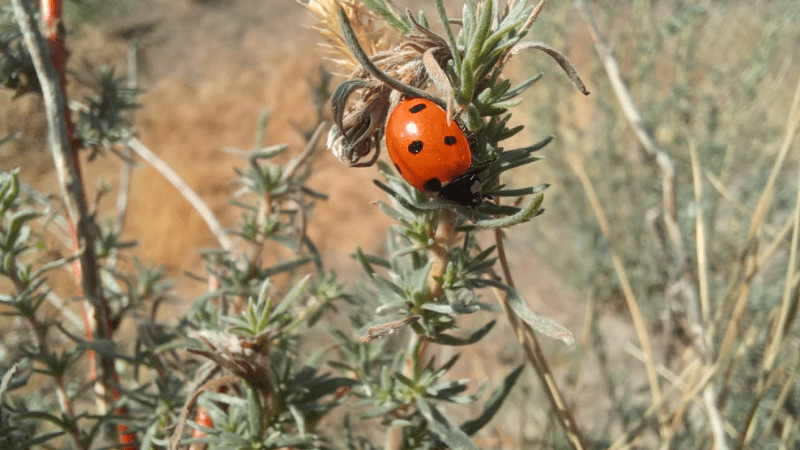
More than 100 schoolkids from Odesa logged 300+ wildlife records in the Danube Delta for the EU’s PHAROS citizen science project. Here’s how a summer camp became real biodiversity data.

Danube Delta Open Living Lab Launches, Turning Smartphones into Scientific Tools for Biodiversity Monitoring
Danube Delta Open Living Lab Launches, Turning Smartphones into Scientific Tools for Biodiversity Monitoring 1024 768 PHAROS Project

The Danube Delta, Europe’s largest remaining natural wetland and a crucial ecological buffer between the Danube River and the Black Sea, is now at the heart of a new citizen science initiative. The Danube Delta Open Living Lab has officially launched, creating a cross-border network that invites everyone, from local residents and school groups to…

KEY ACTIVITIES

Reducing pollution, promoting the circular economy, and developing sustainable practices...

The Danube Delta Living Lab is an ongoing process with three core goals: reducing marine pollution, promoting the circular economy, and developing sustainable practices. These are pursued through a bioregional approach linking marine, water, energy, food, waste on land. Its task: build data on species, track new arrivals, and monitor native‑alien interactions.

The collection method is even simpleranyone can participate by uploading photographic observations with location and time stamps to the MINKA platform. MINKA is a free citizen science platform created by the Spanish National Research Council, allowing communities to set up local projectsshare observations, and store data that scientists can actually use.

The data goes to Ukrainian researchers for analysis. With the observer’s permission, it can also feed into international repositories like the Global Biodiversity Information Facility (GBIF), helping scientists track biodiversity patterns across continents. The purpose of these activities is to test practical solutions in real conditions and build a community of practice that can sustain the transition beyond the project’s lifetime

Create lasting change

The goal is to position the Danube Delta as a model for circular, resilient and community-driven development. The Living Lab aims to create lasting changereducing pollution through prevention and cleanupshifting towards circular economy practices, and building resilience in both marine and terrestrial ecosystems.

By promoting a community-driven movement, the Living Lab can build a sense of stewardship that outlives the initial project, creating an enduring legacy of environmental ethos and citizen action.

Test practical solutions in real conditions

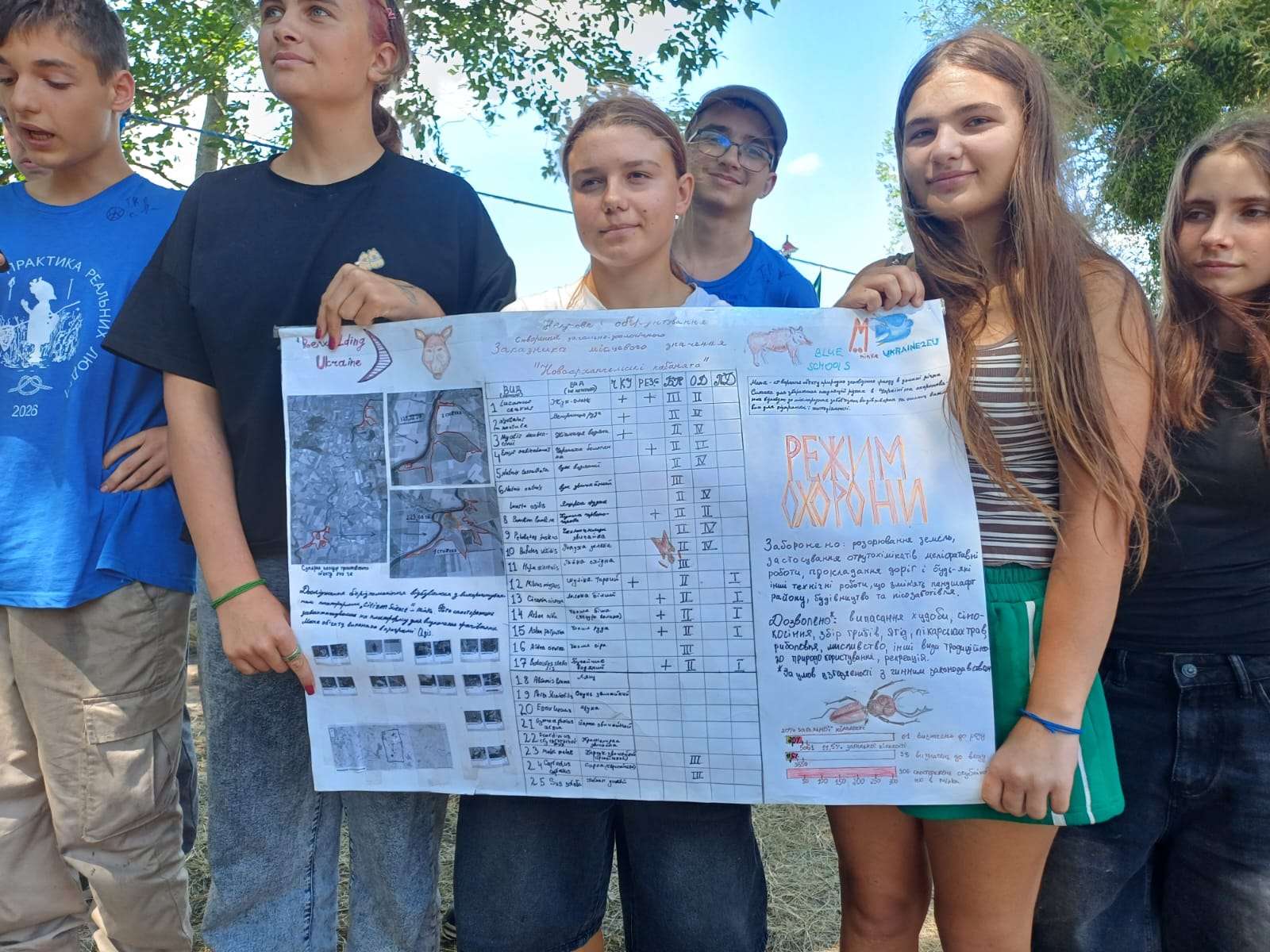
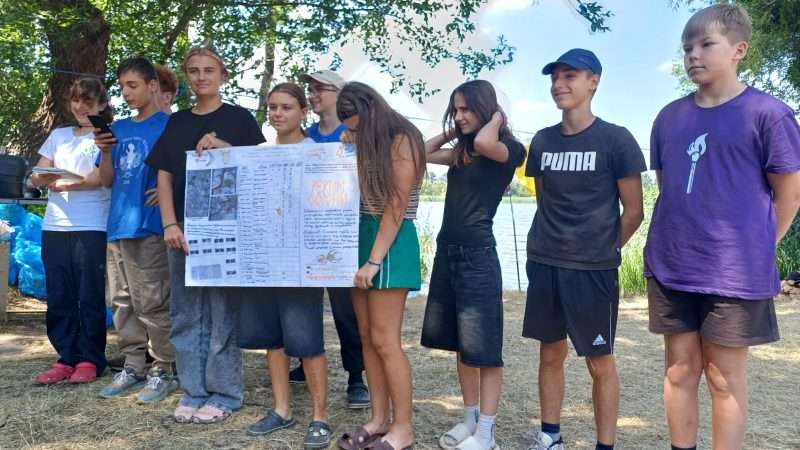
In early July 2026more than a hundred schoolkids from the Odesa region participated in a biological camp run by the NGO “Real People” at the Syniukha River valleyFifteen of them engaged in a crash course in citizen sciencelogging over 300 wildlife records through the MINKA platform.

They learned to use the MINKA website and mobile app, analysed their results, and created poster presentations linking their work to a possible new Nature Reserve Fund object for Ukraine, with support from the Ukrainian Nature Conservation Group, Rewilding Ukraine and the Danube Biosphere Reserve.

Privacy Preferences

When you visit our website, it may store information through your browser from specific services, usually in the form of cookies. Our Privacy Policy can be read here.

Here you can change your Privacy preferences. It is worth noting that blocking some types of cookies may impact your experience on our website and the services we are able to offer.

Click to enable/disable Google Analytics tracking code.
Click to enable/disable Google Fonts.
Click to enable/disable Google Maps.
Click to enable/disable video embeds.
Our website uses cookies, mainly from 3rd party services. Define your Privacy Preferences and/or agree to our use of cookies.