Canary Islands Living Labs Mega Event Report

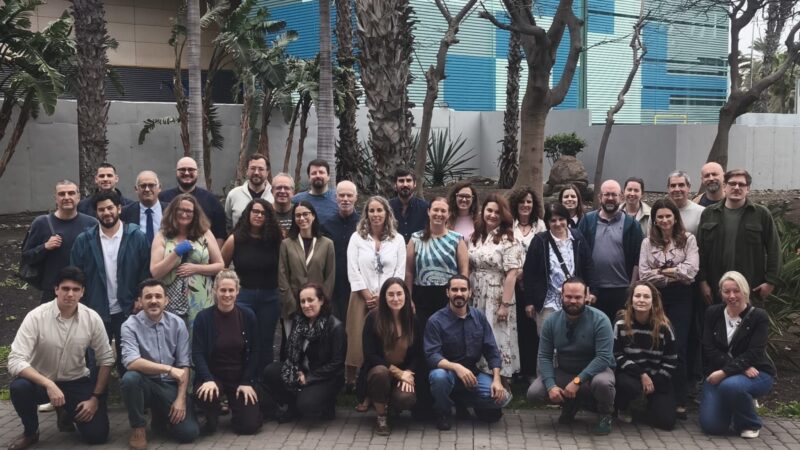
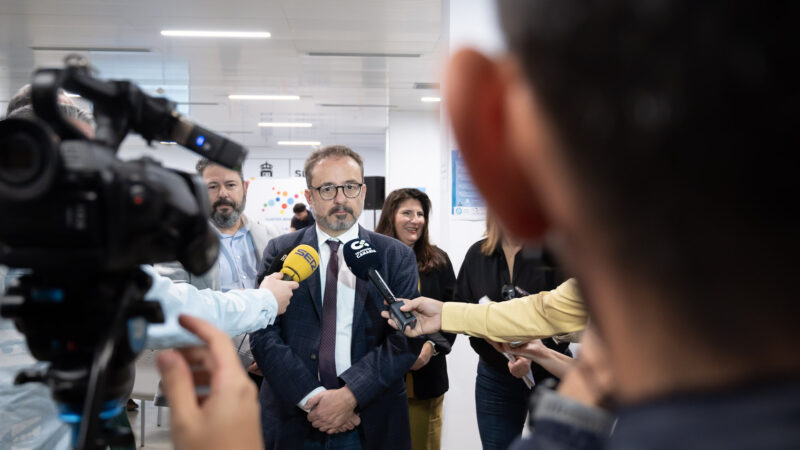
PHAROS Living Labs: MarCoLab Gran Canaria and MarCoLab Lanzarote organised the first PHAROS Mega Event, an engaging three-day event held from 29 to 31 January 2026.

Members of the Atlantic and Arctic Lighthouse community came together to promote marine restoration, ocean literacy and the blue economy in the Canary Islands.

PHAROS Thank you

Gran Canaria Living Lab Event

Working Together for Ocean Health!

The Canary Islands Living Labs Mega Event brought together government representatives, researchers, innovators, educational institutions, businesses, investors and local communities, and marked the launch of the two Living Lab communities: MarCoLab Gran Canaria and MarCoLab Lanzarote. Together, participants worked collaboratively to address marine ecosystem restoration challenges and contribute to a healthier ocean.

Mar-Co-Lab is a blue economy innovation space whose name sums up its mission: Mar as the ocean, Co as collaboration, cooperation and co-creation, and Lab as a living lab; the word Marco within its name explicitly refers to a framework, a shared structure where, through the quadruple helix, innovation and awareness around nature-based solutions are fostered to balance the economy and environmental protection.

THREE-DAY PROGRAMME SHORT REPORT

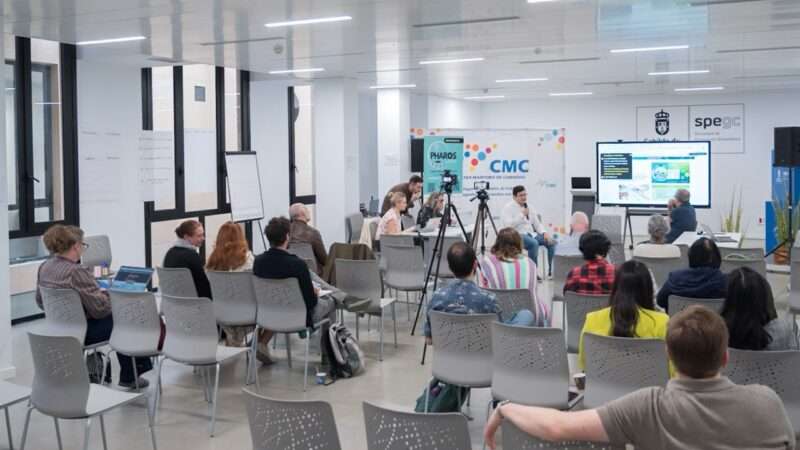
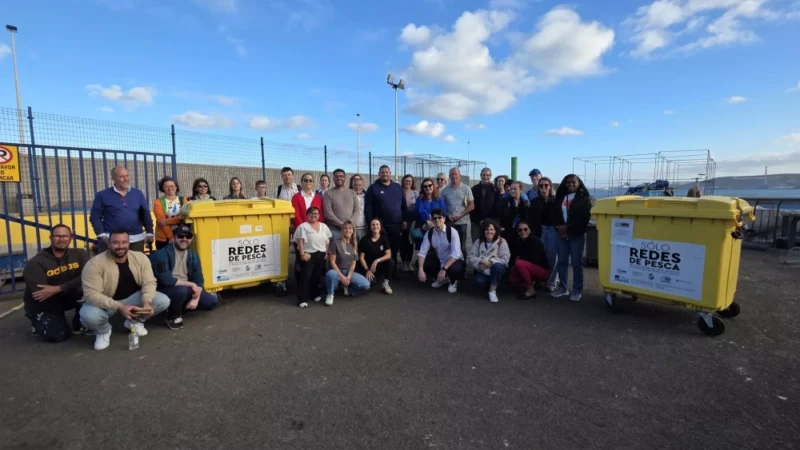
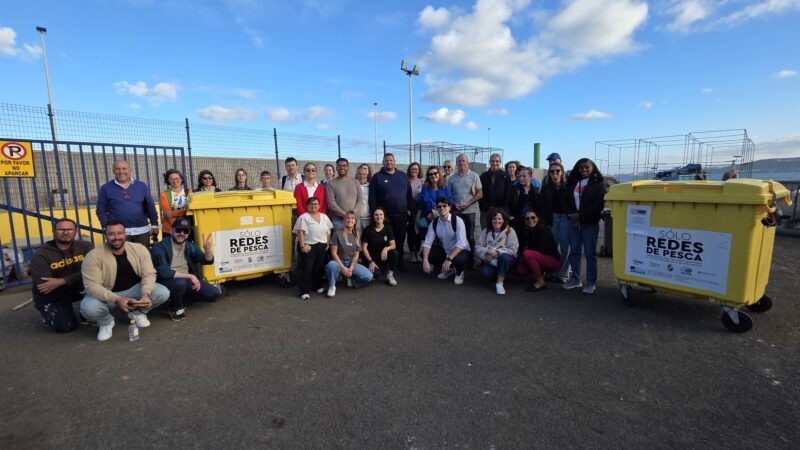
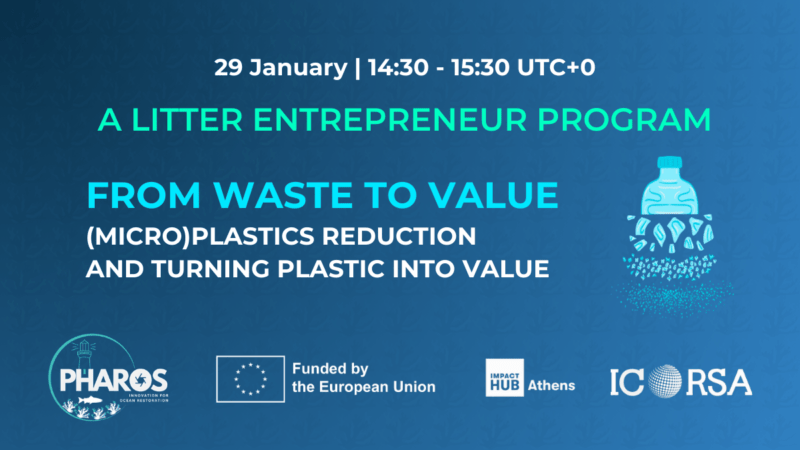
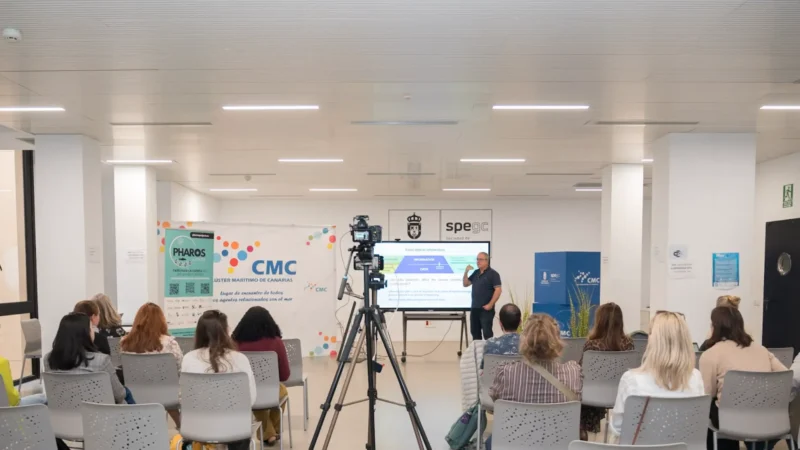
The Mega Event began with a focus on marine waste, featuring a panel of experts in the blue economy and waste recycling. PHAROS organised the 3rd Litter Entrepreneurs Seminar/Webinar series, this time at the Clúster Marítimo de Canarias. The seminar, titled From Waste to Worth (in Spanish), explored the valuation process of ocean waste. Later, participants visited the port and learned more about Fisher Guardians. The programme also launched recycling bins for fishers’ plastic waste at San Cristóbal port, promoting more sustainable fishing practices.

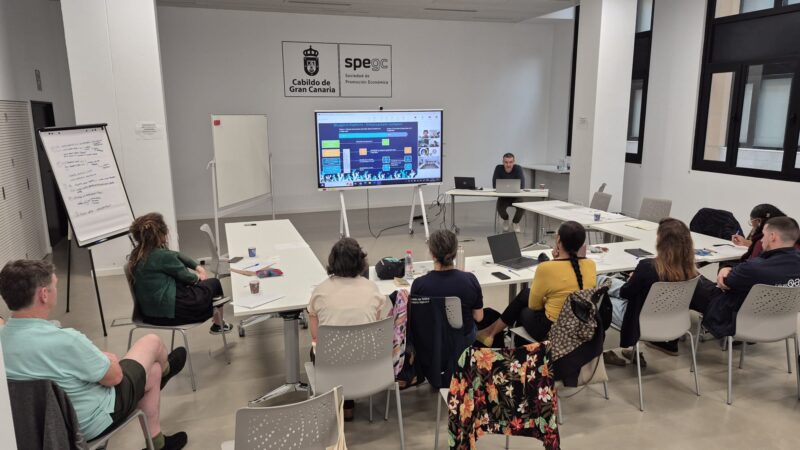
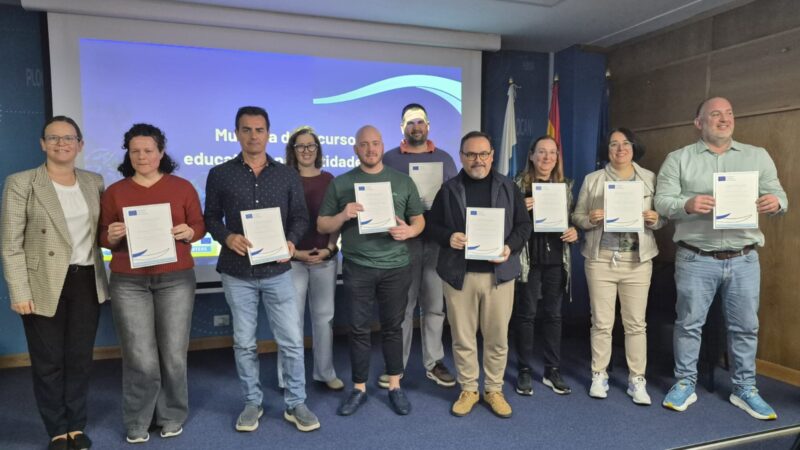
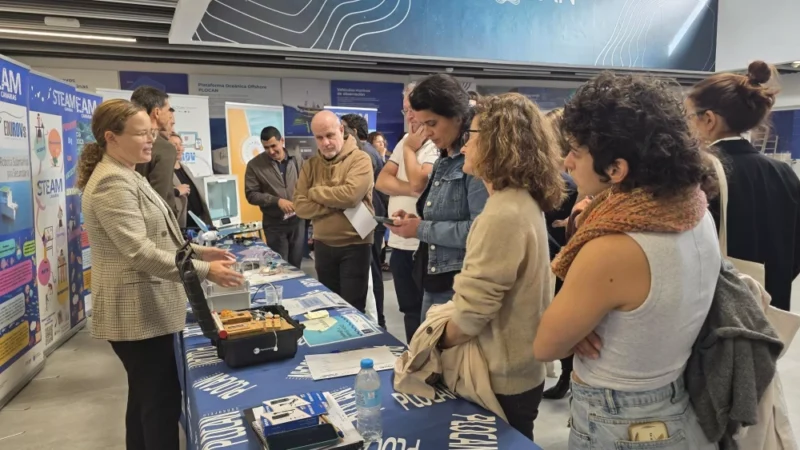
The focus of the day was on learning and developing skills through hands-on activities, such as a workshop sharing useful tips and best practices from other Living Labs in achieving Mission Ocean and broader sustainability goals. MPA Managers held a workshop on key digital tools to support their work, as well as another session for those responsible for managing protected sea areas. Both sessions took place at the Canary Islands Marine Research Centre, Clúster Marítimo de Canarias in Las Palmas. At Plataforma Oceánica de Canarias (PLOCAN) in Telde, Gran Canaria, educators shared experiences from Blue Schools and supported both new and experienced schools in enhancing ocean literacy. The Round Table on Permitting engaged attendees in addressing research challenges, while academics and universities were invited to explore how MINKA was creating opportunities to collaborate with citizens in their research.

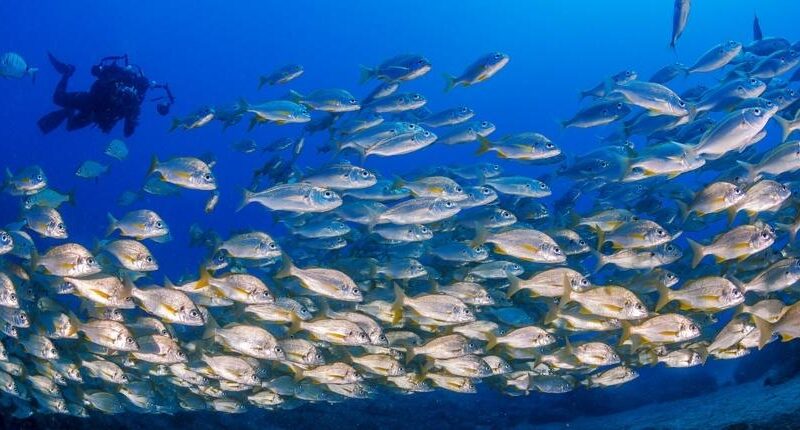
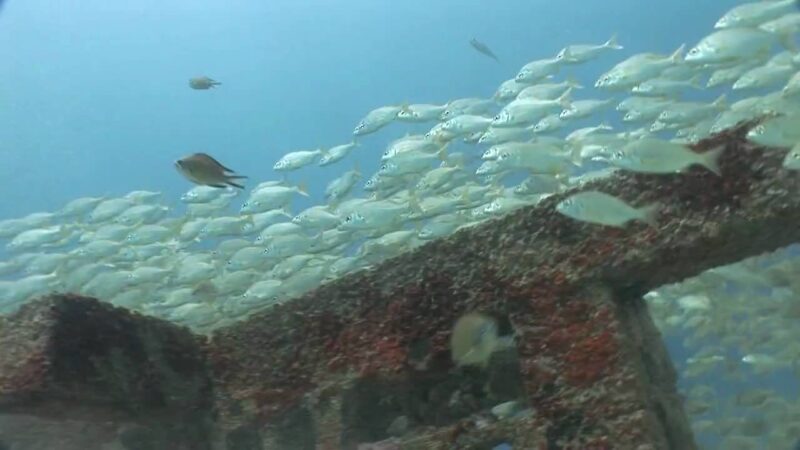
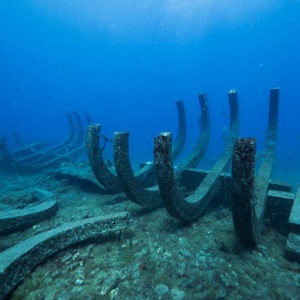
The final day of the programme offered participants the chance to become citizen marine scientists at the BioBlitz. Qualified divers helped collect biodiversity data at one of three dive sites in Gran Canaria or at Museo Atlántico in Lanzarote. Participants also received guidance on using the MINKA app, shared their findings, and actively took part as citizen scientists.

WORKSHOPS, SEMINARS, ROUNDTABLE REPORTS

Litter Entrepreneurs Webinar “From Waste to Worth”

Thursday (29.01.2026): This in-person seminar introduced best practices for becoming ocean entrepreneurs. Participants learned how to transform plastic litter into sustainable businesses through innovative solutions, training, and tools for circular economy ventures.

Best Practices in Living Labs Workshop

Friday (30.01.2026): This interactive training workshop empowered stakeholders to co-develop marine biodiversity solutions. It shared effective engagement methods, citizen participation strategies, and governance approaches for the implementation of Living Labs.

FISHER GUARDIANS: Launch of Recycling Containers With Fishers

Thursday (29.01.2026): Fisher Guardians engaged fishers as ocean protectors through the use of port-side recycling containers for old or unused fishing nets. The initiative promoted the circular economy, reduced marine litter and pollution, and demonstrated how the fishing industry could contribute to protecting the sea.

ROUND TABLE: Permitting Challenges & Opportunities for Academia and Collaborative Projects

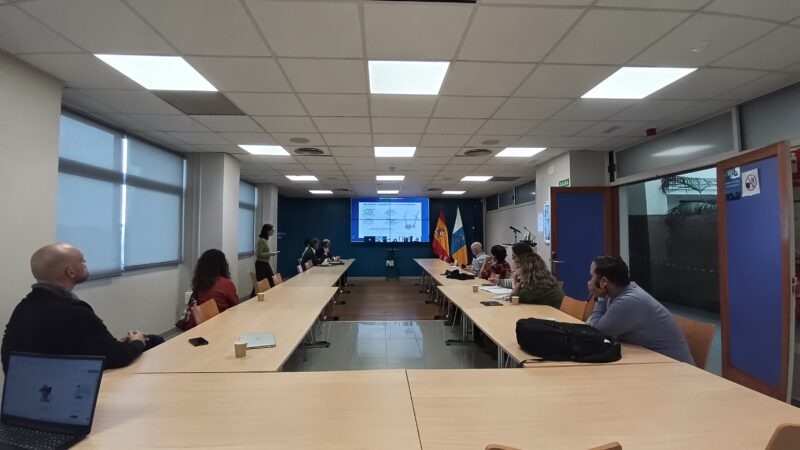
Friday (30.01.2026): The round table brought together key stakeholders, including local authorities, marine spatial planners, regulators, academic institutions, and project teams, who discussed R&I permitting barriers and explored possible collaborative solutions.

MPA Managers – Overcoming Challenges Workshop

Friday (30.01.2026): The session focused on the co-creation and further development of the Blueprint Platform, a collection of tools designed to support MPA managers that are being developed under the Blue4All Project and will be further enhanced by PHAROS. 

Blue Schools Seminar

Friday (30.01.2026): This seminar was organised for teachers and educators to share their experiences as Blue Schools. Teachers from the Canary Islands celebrated their achievements and planned the future expansion of the Blue School Network across the Atlantic and Arctic basins. Blue Schools promoted ocean literacy and citizen science engagement, empowering the younger generation to pursue careers in the sustainable blue economy.

MINKA Information Session for Academia

Friday (30.01.2026): The MINKA Citizen platform hosted an information session to demonstrate how citizen science data could strengthen academic research and support evidence-based ecosystem management for public administrations and policy-makers.

The session outlined data collection tools and methods, and explored various collaboration opportunities for universities and research groups through networking. It also highlighted real success stories showing how MINKA had already contributed to academic and management projects.

Citizen Science Marine BioBlitz Report (Saturday January 31, 2026, 09:00-13:00)

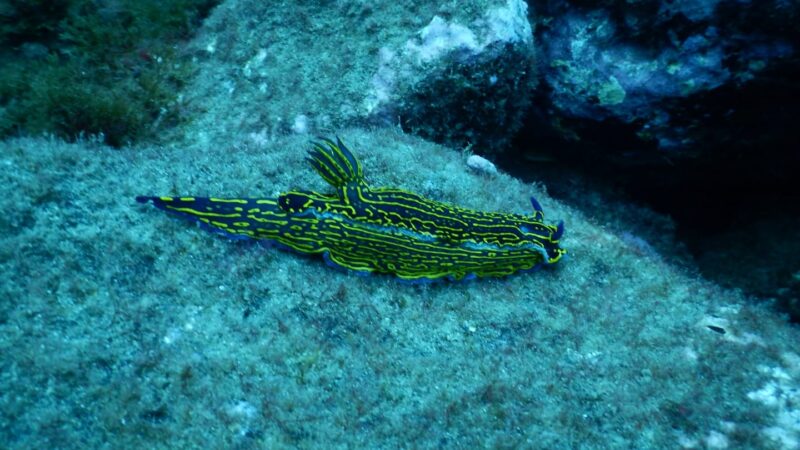
Citizens of Gran Canaria and Lanzarote became scientists for the day, collecting photographs of coastal plants and animals and learning how to upload them to MINKA so they could be used by marine researchers.

1. EL CABRON, Gran Canaria

Shoreline walk to photograph algae and other coastal benthonic communities

2. Biotopo de Arguineguín, Gran Canaria

Shoreline walk to photograph algae and other coastal benthonic communities

3. Parque de la Atlántida (Mogán), Gran Canaria

Shoreline walk to photograph algae and other coastal benthonic communities

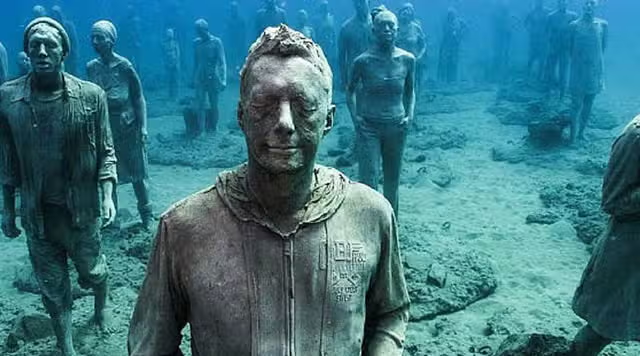
4. Museo Atlántico, Lanzarote (replication site)

Shoreline walk to photograph algae and other coastal benthonic communities.

AGENDA (ARCHIVE)

GRAN CANARIA LIVING LAB THREE-DAY PROGRAMME (ARCHIVE)

Day 1

Time Activity Location / Notes
13:00 – 14:00 Arrival at venue / Registration / Coffee
14:30 – 16:00 Litter Entrepreneurs: 3rd Webinar – From Waste to Worth: Moderator + 2 guest speakers CMC
16:00 FISHER GUARDIANS – Launch of recycling containers with fishers (Gravity Wave) San Cristóbal (Outdoor)

Day 2

Time Activity Location / Notes
08:30 – 09:00 Arrival at venue / Registration / Coffee
09:00 – 09:30 Gran Canaria Living Lab Opening Ceremony
09:30 – 11:00 PHAROS MPA Managers Workshop CMC
09:30 – 11:30 Best Practices in Living Labs Workshop (Registration required) CMC
10:00 – 11:00 Blue Schools Seminar PLOCAN
11:00 – 11:30 Coffee Break
11:30 – 13:30 PHAROS MPA Managers Workshop (continued) CMC
12:00 – 13:00 Round Table: Permitting Academia / Projects PLOCAN
13:30 – 14:30 Lunch
14:30 – 16:00 MINKA Info Session, Academia Experts for Species Identification

DIVING SITE 1: PLOCAN

Time Activity Location / Notes
08:30 – 09:00 Orientation & participant sign-in PLOCAN (Register on arrival)
09:00 – 10:00 Dive briefing, meet-up & welcome; bus transfer to site; safety introduction Meeting point → transfer to diving site
10:00 – 13:00 Diving Site 1 (PLOCAN or El Cabrón) – Shoreline walk & photographing algae and coastal bentonic communities Field activity at chosen site
13:00 – 14:00 Lunch + Minka training & photo upload On-site / Workshop space
Register by sending email to buceo@buceocanarias.com

DIVING SITE 2: Biotopo de Arguineguín

Time Activity Location / Notes
08:30 – 09:00 Orientation & participant sign-in Welcome / Safety introduction
09:00 – 10:00 Dive briefing, meet-up & welcome; Bus transfer to site; Safety introduction Meeting point → Transfer to diving site
10:00 – 13:00 Diving Site 2 (Biotopo de Arguineguín) Shoreline walk to photograph algae and coastal benthic communities
13:00 – 14:00 Lunch + Minka training & Photo upload On-site / Workshop space
Register by sending email to buceo@buceocanarias.com

DIVING SITE 3: Parque de la Atlántida (Mogán)

Time Activity Location / Notes
08:30 – 09:00 Orientation & participant sign-in Welcome / Safety introduction
09:00 – 10:00 Dive briefing, meet-up & welcome; Bus transfer to site; Safety introduction Meeting point → Transfer to diving site
10:00 – 13:00 Diving Site 3 (Parque de la Atlántida, Mogán) Shoreline walk to photograph algae and coastal benthic communities
13:00 – 14:00 Lunch + Minka training & Photo upload On-site / Workshop space
Register by sending email to buceo@buceocanarias.com

DIVING SITE 4: Museo Atlántico, Lanzarote

Time Activity Location / Notes
08:30 – 09:00 Orientation & participant sign-in Welcome / Safety introduction
09:00 – 10:00 Dive briefing, meet-up & welcome; Bus transfer to site; Safety introduction Meeting point → Transfer to diving site
10:00 – 13:00 Diving Site 4 (Museo Atlántico, Lanzarote, replication site) Shoreline walk to photograph algae and coastal benthic communities
13:00 – 14:00 Lunch + Minka training & Photo upload On-site / Workshop space

Register by sending email to info@rubicondiving.com

Privacy Preferences

When you visit our website, it may store information through your browser from specific services, usually in the form of cookies. Our Privacy Policy can be read here.

Here you can change your Privacy preferences. It is worth noting that blocking some types of cookies may impact your experience on our website and the services we are able to offer.

Click to enable/disable Google Analytics tracking code.
Click to enable/disable Google Fonts.
Click to enable/disable Google Maps.
Click to enable/disable video embeds.
Our website uses cookies, mainly from 3rd party services. Define your Privacy Preferences and/or agree to our use of cookies.