PHAROS Future- Blue Skills session report: Ireland’s Blue Economy
PHAROS Future- Blue Skills session report: Ireland’s Blue Economy https://pharosproject.eu/wp-content/uploads/2026/05/WhatsApp-Image-2026-05-27-at-10.13.29-1024x423.jpeg 1024 423 PHAROS Project https://pharosproject.eu/wp-content/uploads/2026/05/WhatsApp-Image-2026-05-27-at-10.13.29-1024x423.jpegA Sea of Opportunity or a Tide of Challenges?
As Ireland’s marine sector looks to scale, a gathering at Munster Technological University has charted a course for the skills and innovations needed to future-proof Ireland’s blue economy.
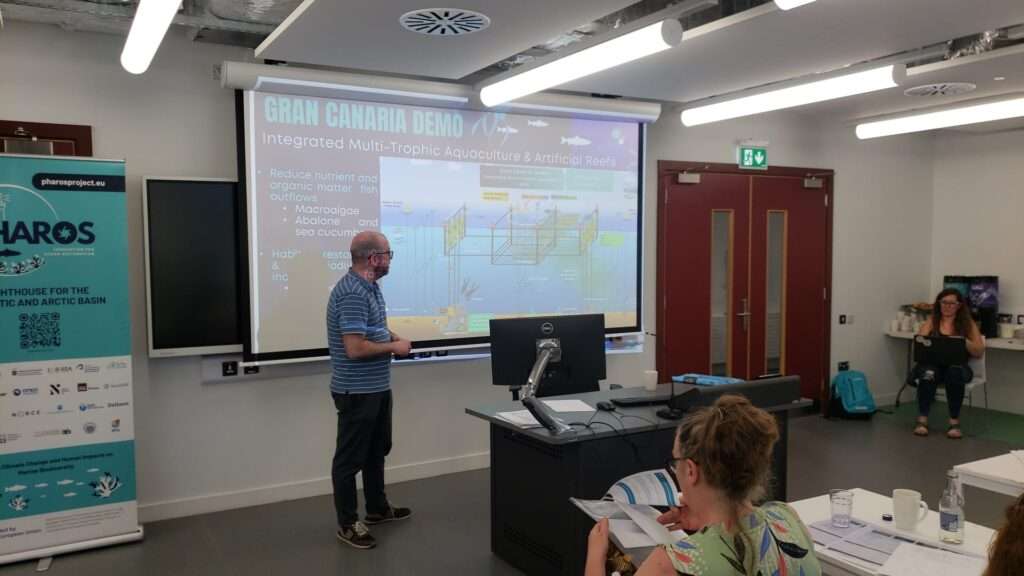
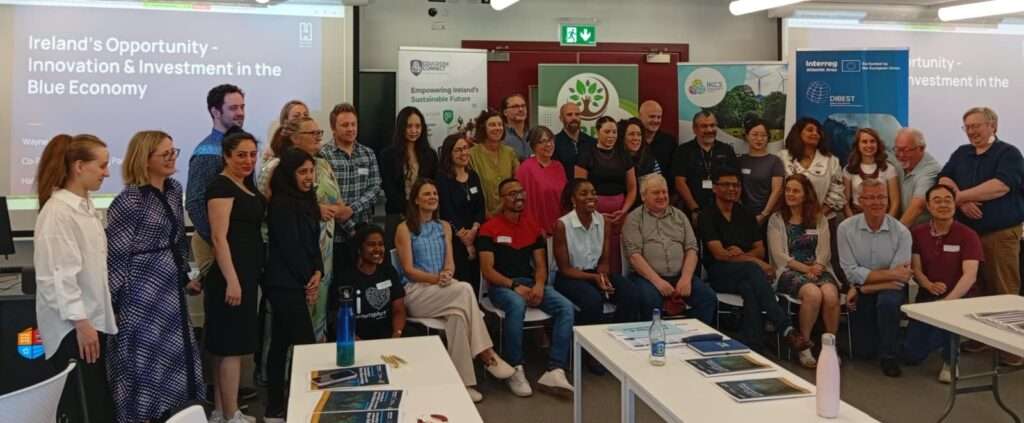
On the morning of Wednesday 27 May 2026, as part of the PHAROS Irish Living Lab event, the PHAROS Future: Blue Skills session at Munster Technological University (MTU) brought together leading researchers, industry voices and innovators to tackle a pressing question: who will crew Ireland’s growing blue economy, and what skills will they need?
With Ireland’s marine sectors, from fisheries and aquaculture to seaweed cultivation and coastal tourism, poised for rapid expansion, the demand for fresh talent, new technologies, and smarter collaboration has never been more urgent.
A €10 Million Vision for Ocean Conservation
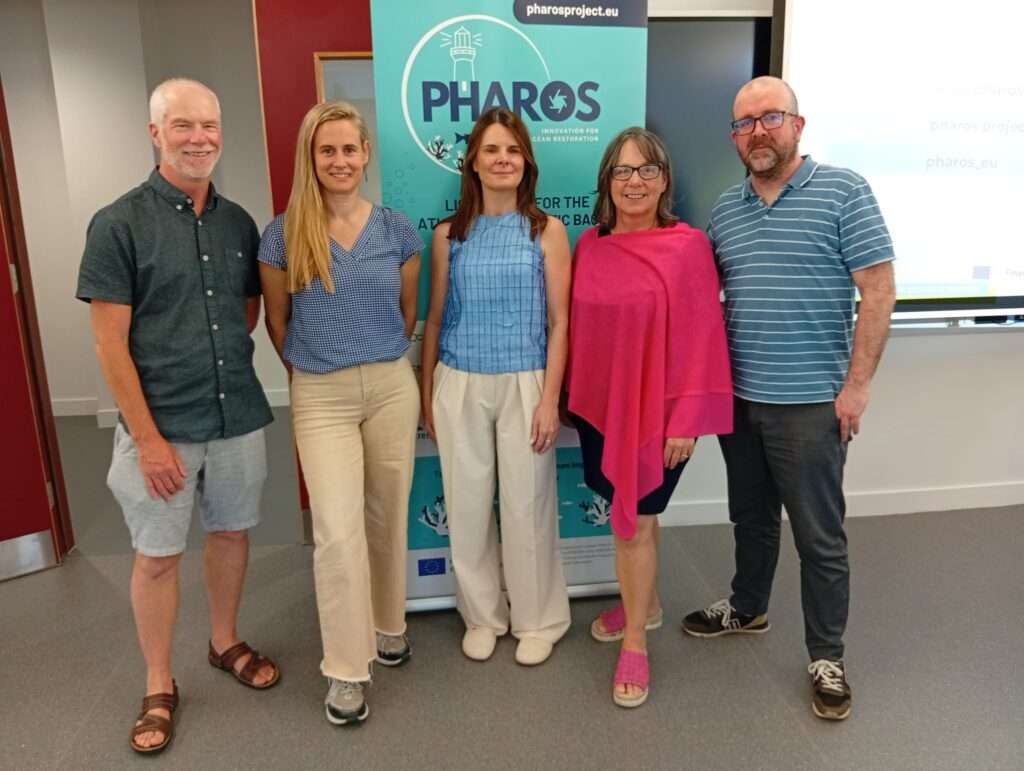
Helena McMahon, co-lead of MTU’s Circular Bioeconomy Research Group, opened the session with acknowledging the success of the previous day’s activities.
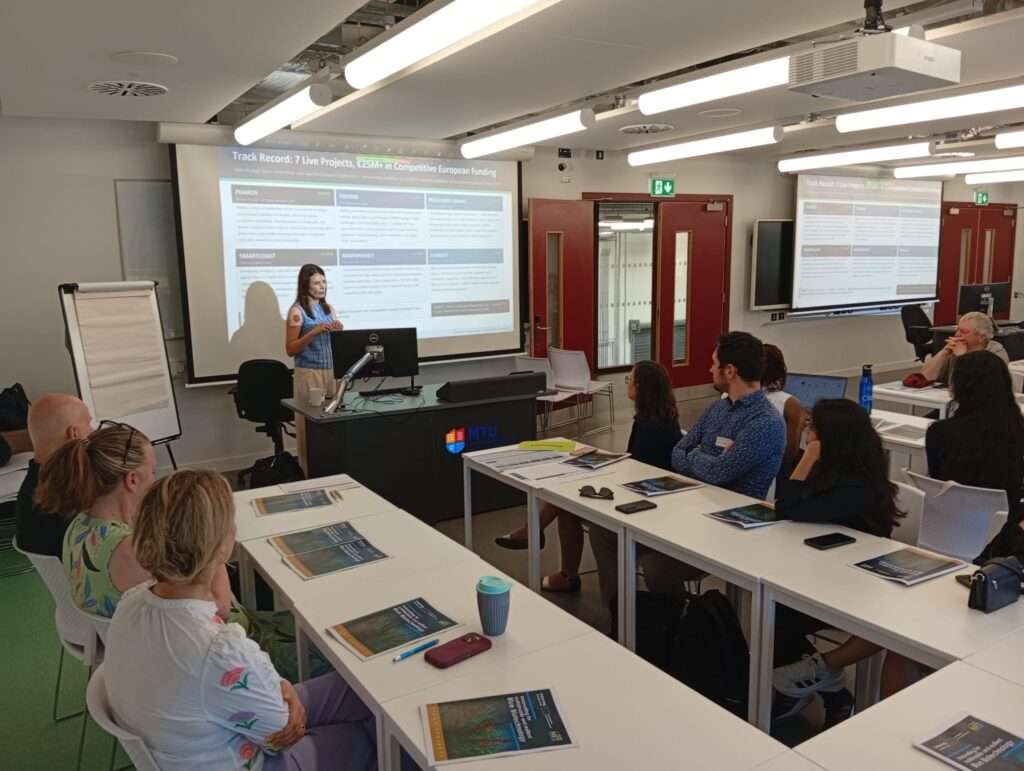
She reminded attendees that the morning’s discussions fell under the umbrella of PHAROS, a substantial €10 million ocean conservation project uniting 24 partners across 12 countries. Built on three core pillars, marine restoration, ocean literacy, and the blue economy, PHAROS represents Europe’s concerted effort to balance economic growth with the health of our seas.
‘The Ocean Provides Only 2% of Our Food, But 30% of Our Protein’
The session’s keynote was delivered by Wayne Murphy, Co-Founder and Partner at Hatch Blue, a global venture capital firm specialising in aquaculture, agritech, and alternative seafood. Murphy did not mince words about the scale of the challenge, or the opportunity.
“Wild fisheries are 90% fully exploited or overfished,” he told the room. “The ocean currently provides just 2% of the world’s food, yet it supplies 30% of our protein. Meeting future demand will require radical innovation.”
Murphy’s message for Ireland was clear: stop trying to become a major seafood producer hampered by licensing restrictions, and instead lean into technology and innovation. He pointed to Iceland’s transformation from a traditional fishing nation to a value-added seafood powerhouse as a model worth emulating.
Hatch Blue’s track record speaks for itself, the firm has supported over 620 companies, made more than 80 investments, and raised over €130 million. In Ireland alone, Hatch has worked with BIM for nine years, delivering eight programmes that helped companies raise over €25 million and create more than 200 jobs.
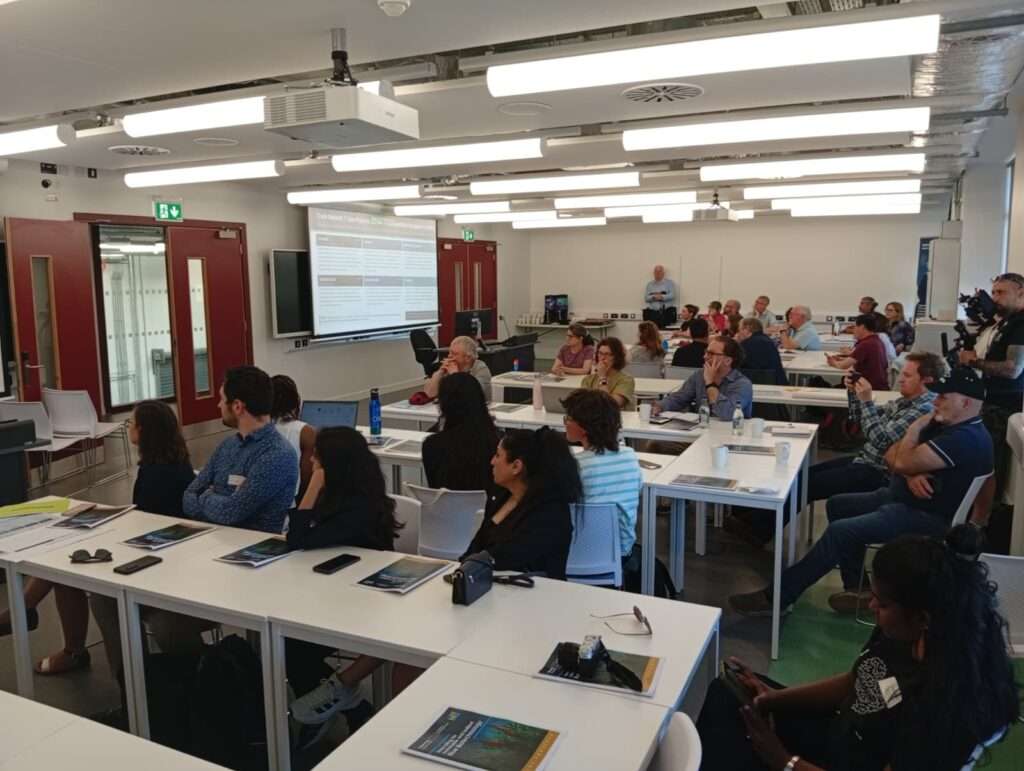
Yet Murphy identified stubborn gaps: a lack of investors willing to write cheques above €2 million, poor commercial pathways from research to product, and insufficient infrastructure to connect Irish innovation with global markets. “We have the talent and the research,” he said. “But we need better bridges.”
From Oyster Shells to Sunscreen: Atlantic Innovation in Action
The morning took a practical turn with a presentation from Andre Weller, from the University of Galway and the MarinnozNET Interreg project, a collaborative effort spanning Portugal, Spain, France, and Ireland.
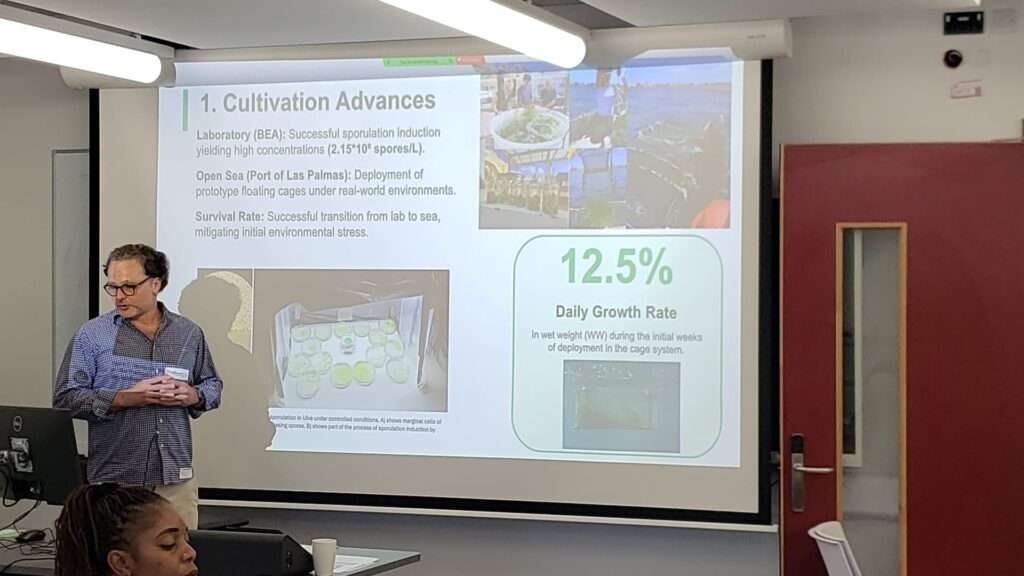
Andre presented three pilot projects that showcase the ingenuity bubbling under the surface of Atlantic research:
- Shell protein extraction: Converting oyster shell waste into soil enhancers and, potentially, collagen scaffolds for bone repair.
- Marine-derived sunscreen: Developing natural UV protection using microsporin-like amino acids extracted from seaweed.
- Seaweed net cultivation: Trialling cellulose-based nets as a sustainable alternative to plastic in seaweed farming.
Each project underscored a recurring theme of the morning: waste is simply a resource in the wrong place, and nature already holds many of the solutions we are scrambling to invent.
Innovation Mapping: Where Are the Real Opportunities?
The final hour was given over to an interactive Innovation Mapping workshop, facilitated by Helena McMahon. Participants split into three groups (tourism, seaweed value chains, and fisheries/aquaculture) to map challenges and opportunities.
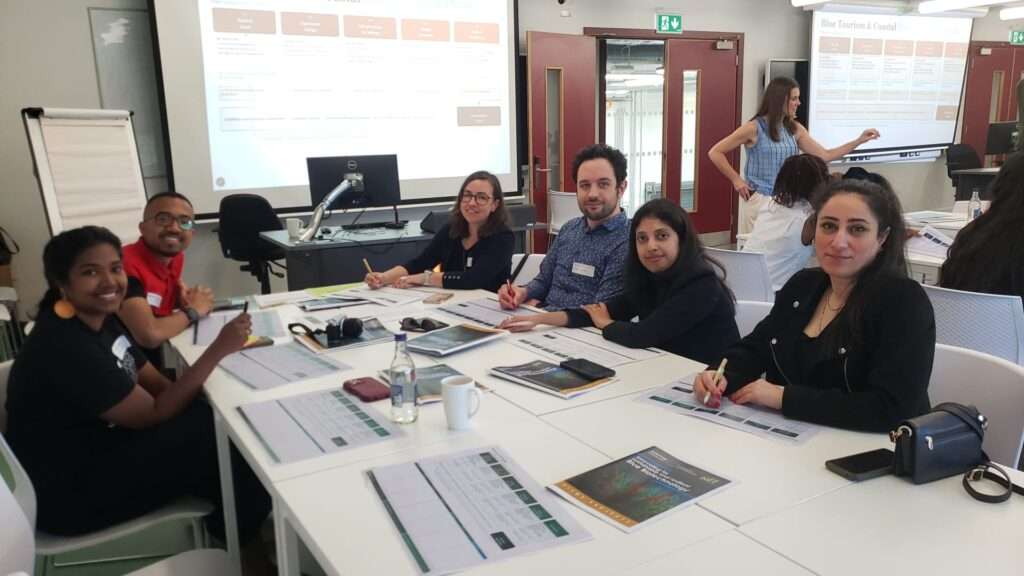
Seaweed emerged as a sector crying out for mechanisation. Manual farming and harvesting remain bottlenecks, and attendees called for regional processing hubs to aggregate production. High-value pharmaceutical applications were flagged as a major opportunity, provided the science can be scaled.
Tourism, by contrast, faces a problem of fragmentation. Participants discussed how to support innovation across a sector made up of countless small operators – and called for better collaboration mechanisms to share best practice and technology.
Fisheries discussions centred on the perennial gap between industry and government. Better communication channels are desperately needed, along with smarter waste utilisation and more efficient drying technologies. As one participant noted: “We catch it, but too often we don’t finish it.”
Across all three sectors, common threads emerged: technology gaps, processing bottlenecks, and a pressing need for industry-government collaboration that moves beyond token consultation.