
Living Labs

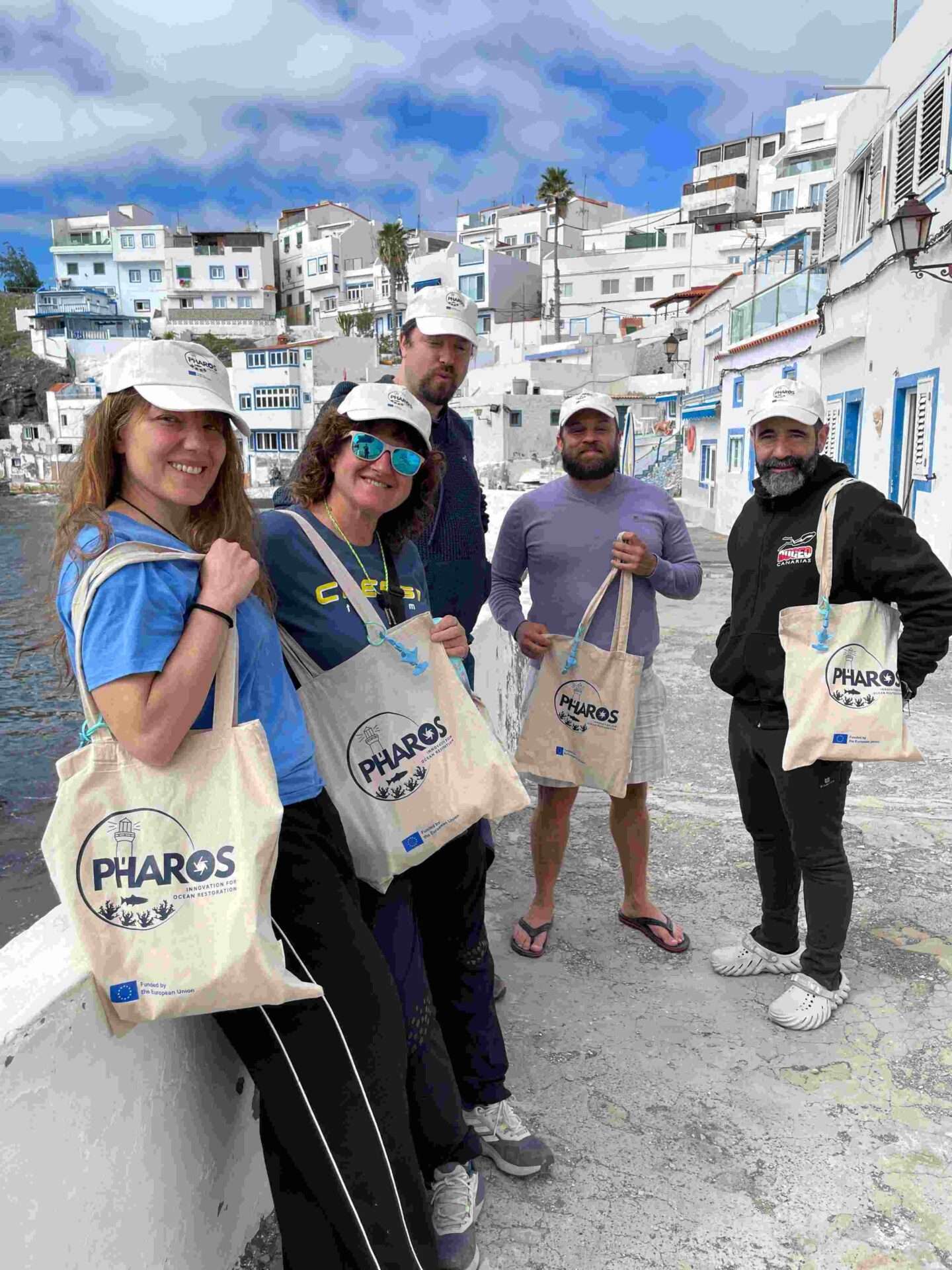
The PHAROS project establishes and supports local Living Labs to foster participatory governance through public engagement. This means empowering key local actors in each demo and replication site, enabling them to co-develop and manage initiatives, thereby fostering buy-in and ownership.

What are PHAROS Living Labs?

If you want to restore a seafloor or bring back a kelp forest, you need more than just good science. You need the people who live there, who fish there, who teach there, who run businesses there, to be part of it. That is the idea behind the PHAROS Living Labs.

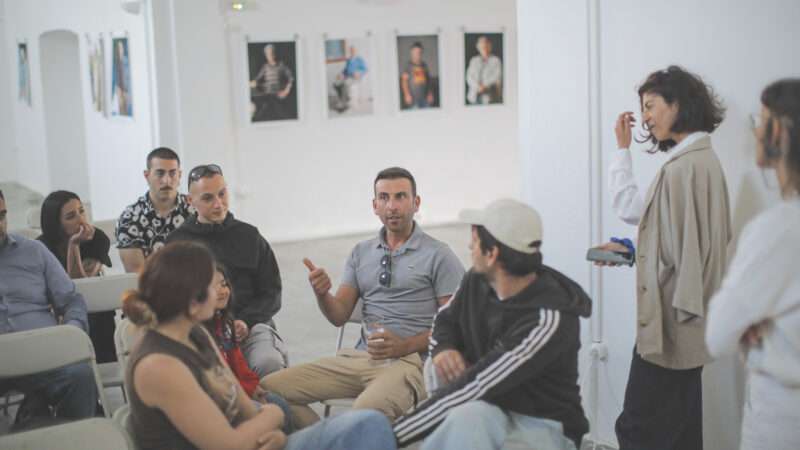
Think of them as local hubs: real-world spaces where scientists, fishers, students, local government and entrepreneurs come together to actually shape what happens: to ask questions, to share what they know, to try things out, and to work out what works for their own piece of coast.

Turn project into a community involvement

The purpose is simple: to make sure the solutions we test in PHAROS are not just technically sound, but also locally wanted, locally owned, and built to last. A reef that nobody supports is just a pile of concrete. A monitoring programme that nobody joins is just data that never gets used. The Living Labs are how we avoid that. They are how we turn a project into a community movement.

A dual strategy: Demo Labs and Replication Labs

The project has two types of Living Labs:

Demonstration Living Labs

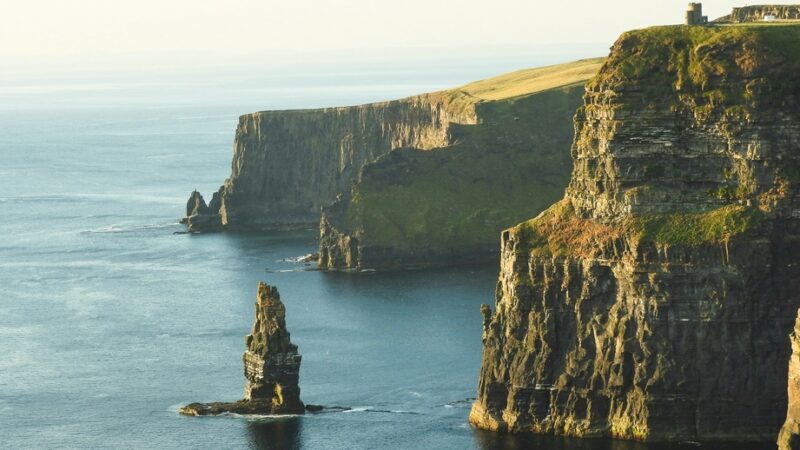
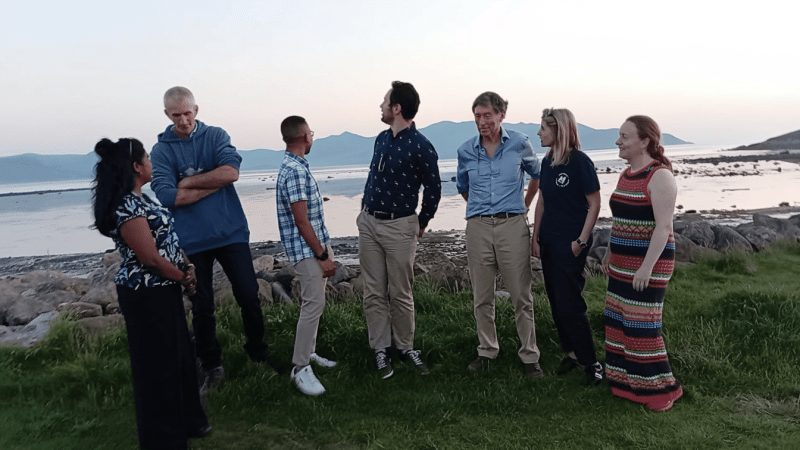
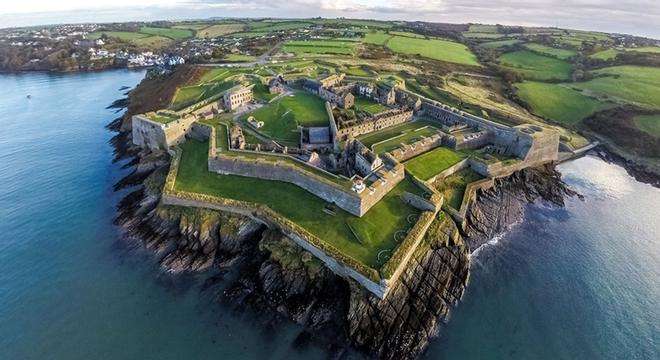
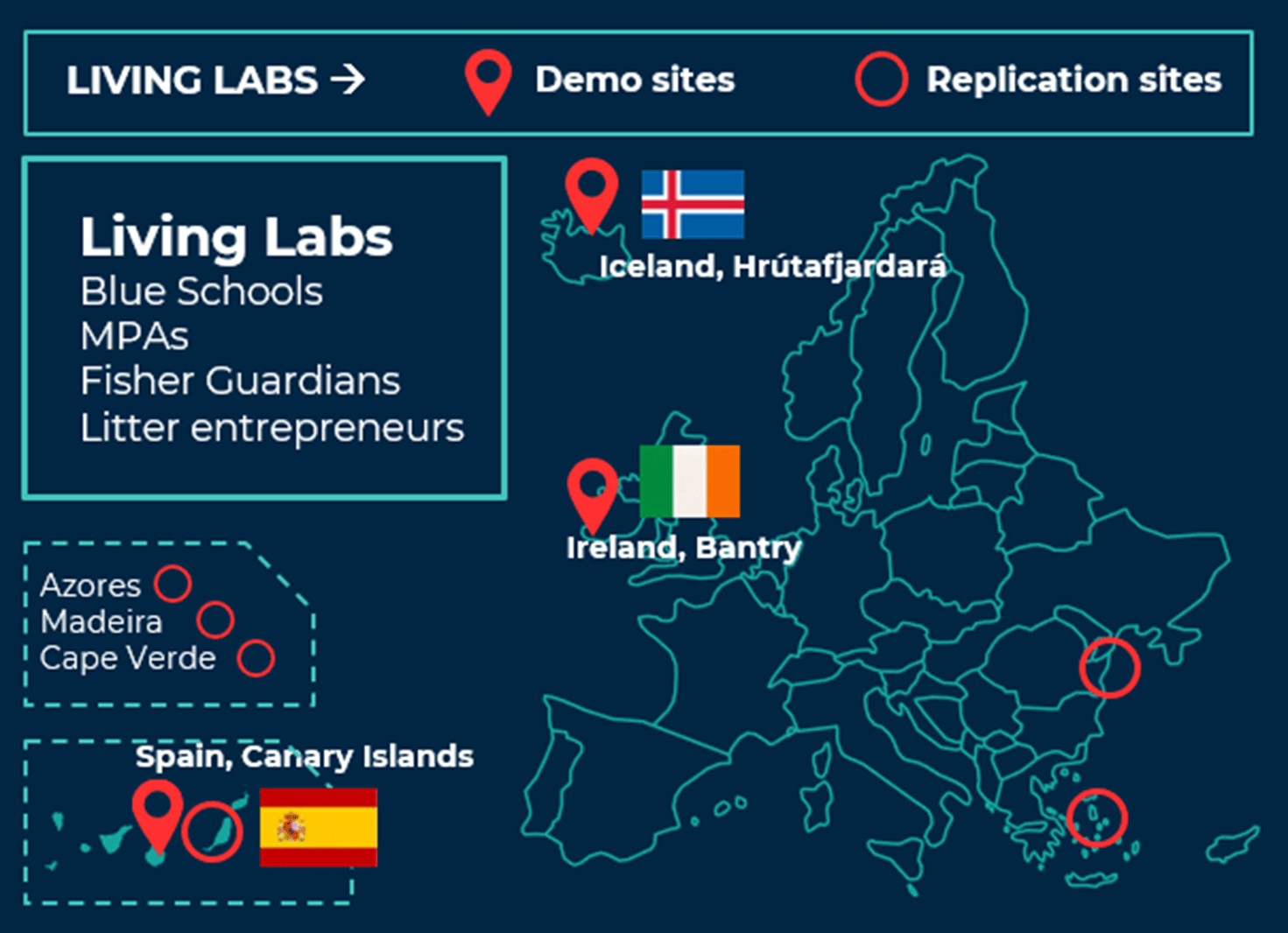
Established early at the demo sites (Gran Canaria, Ireland, Iceland) to pilot and test the methodology.

Replication Living Labs

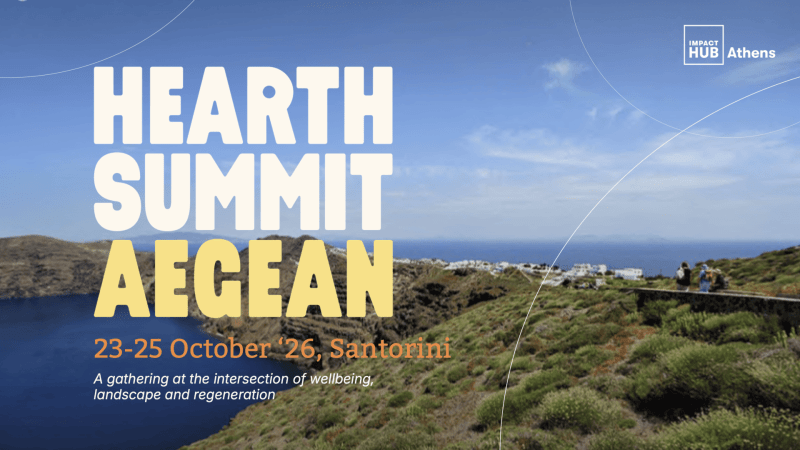
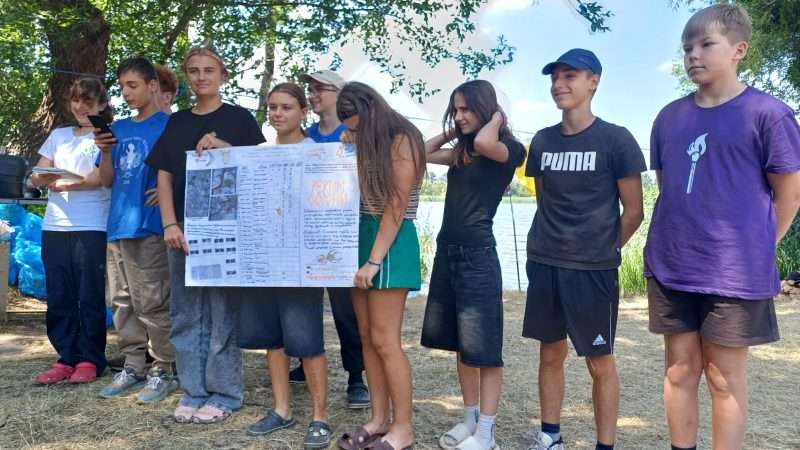
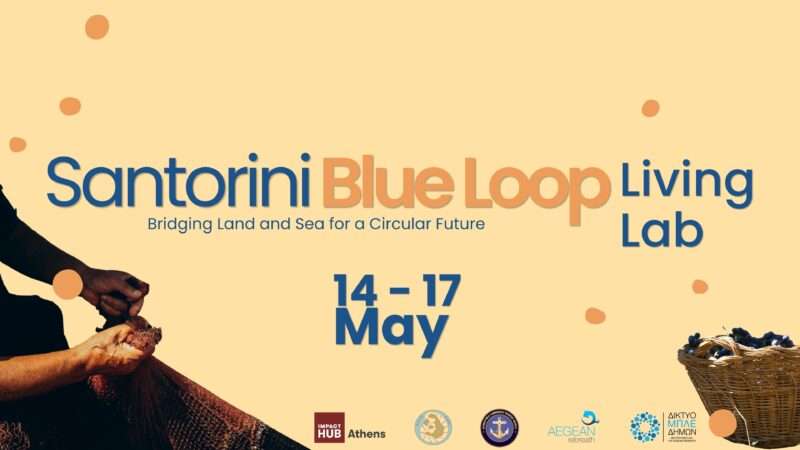
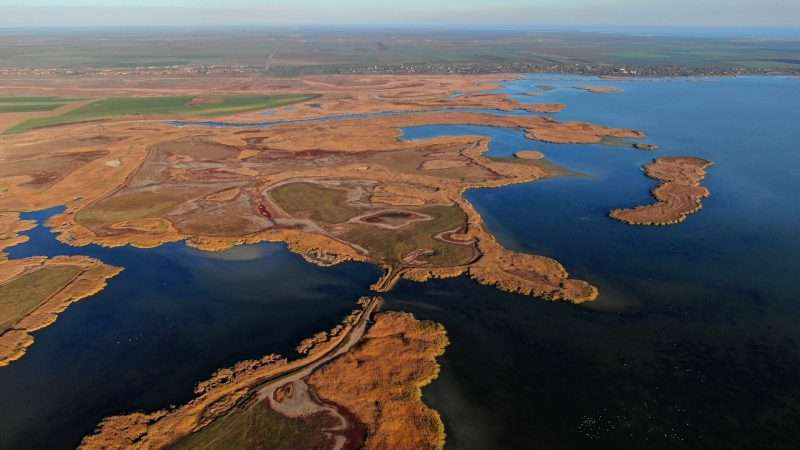
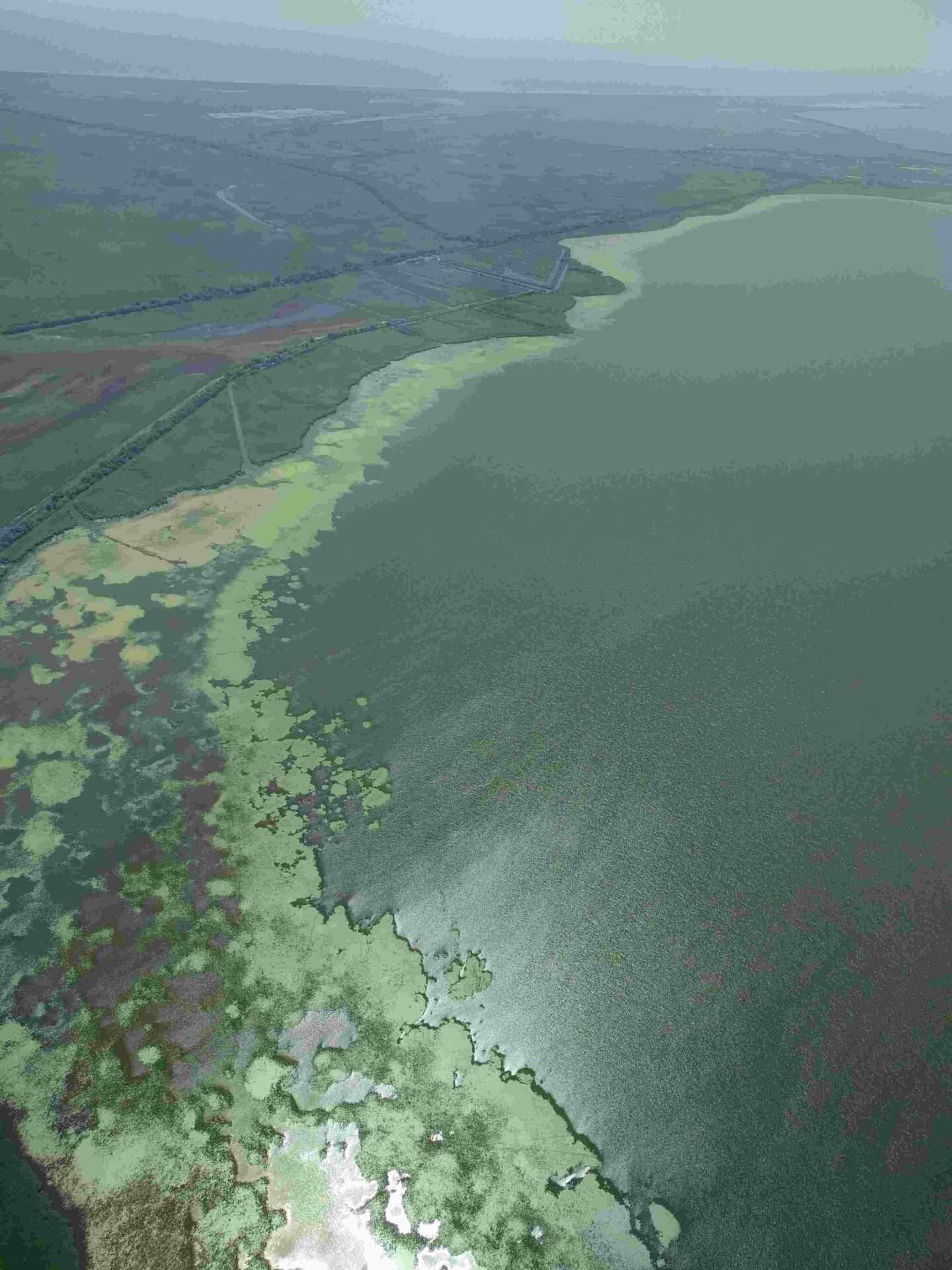
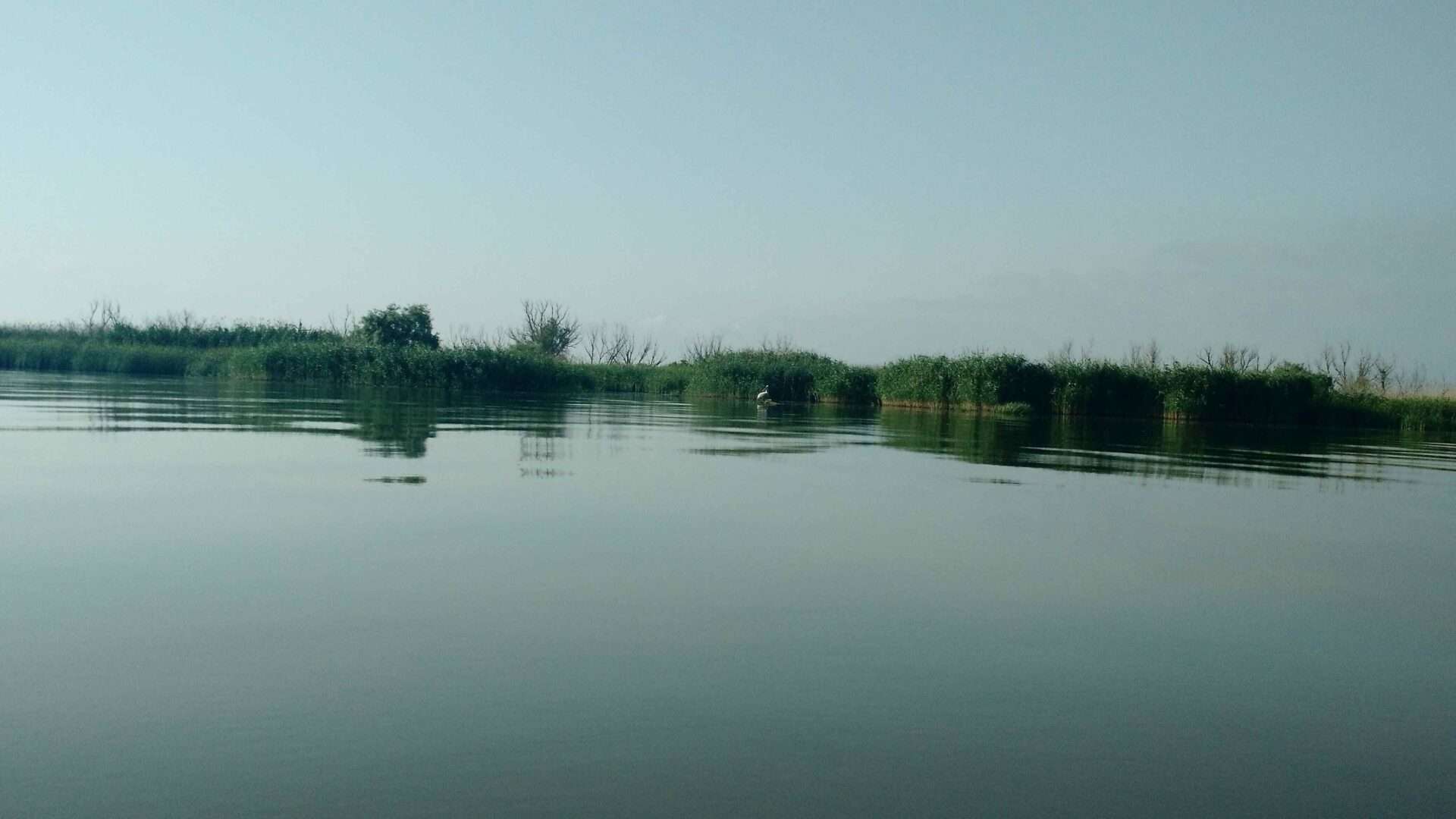
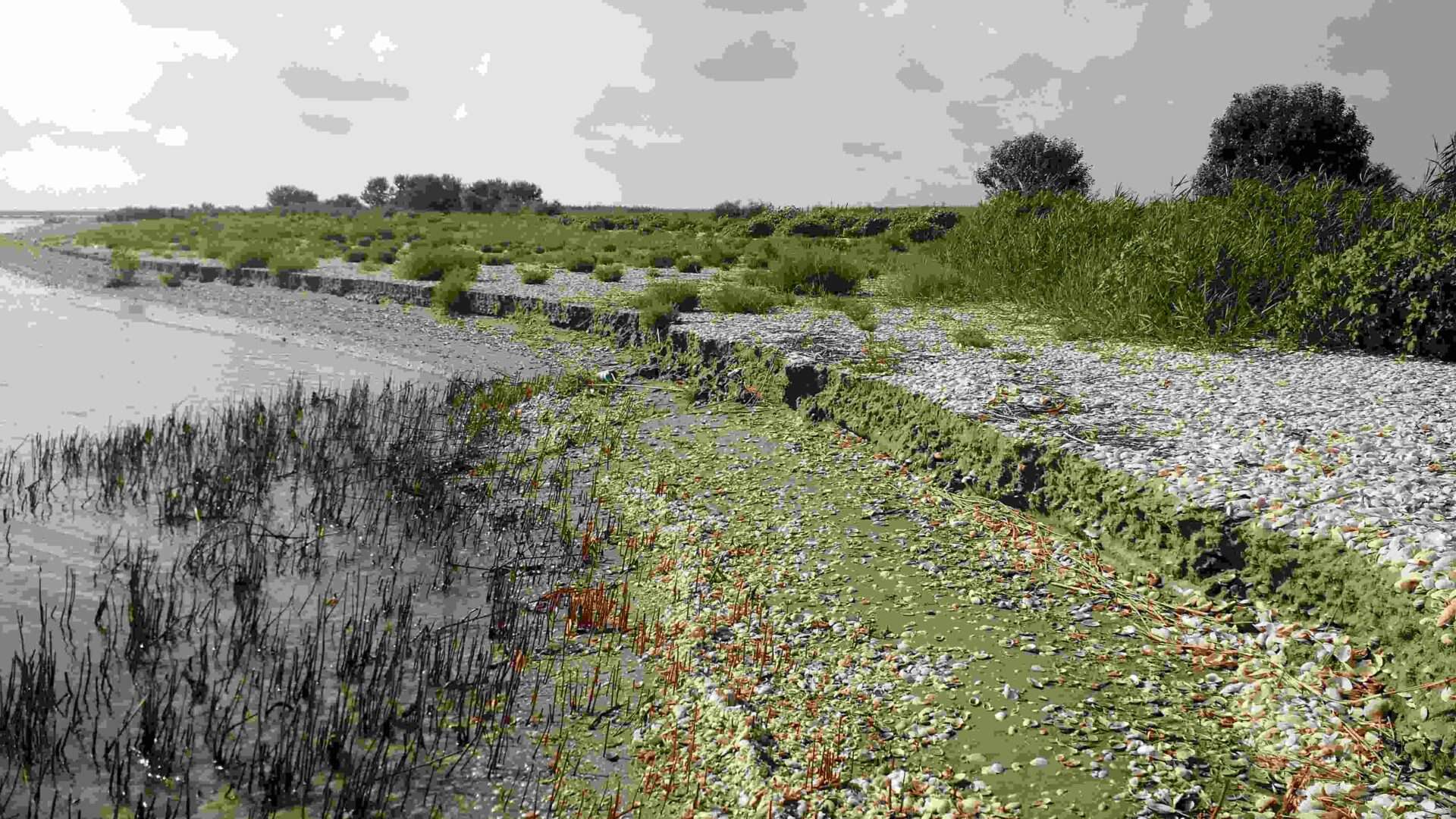
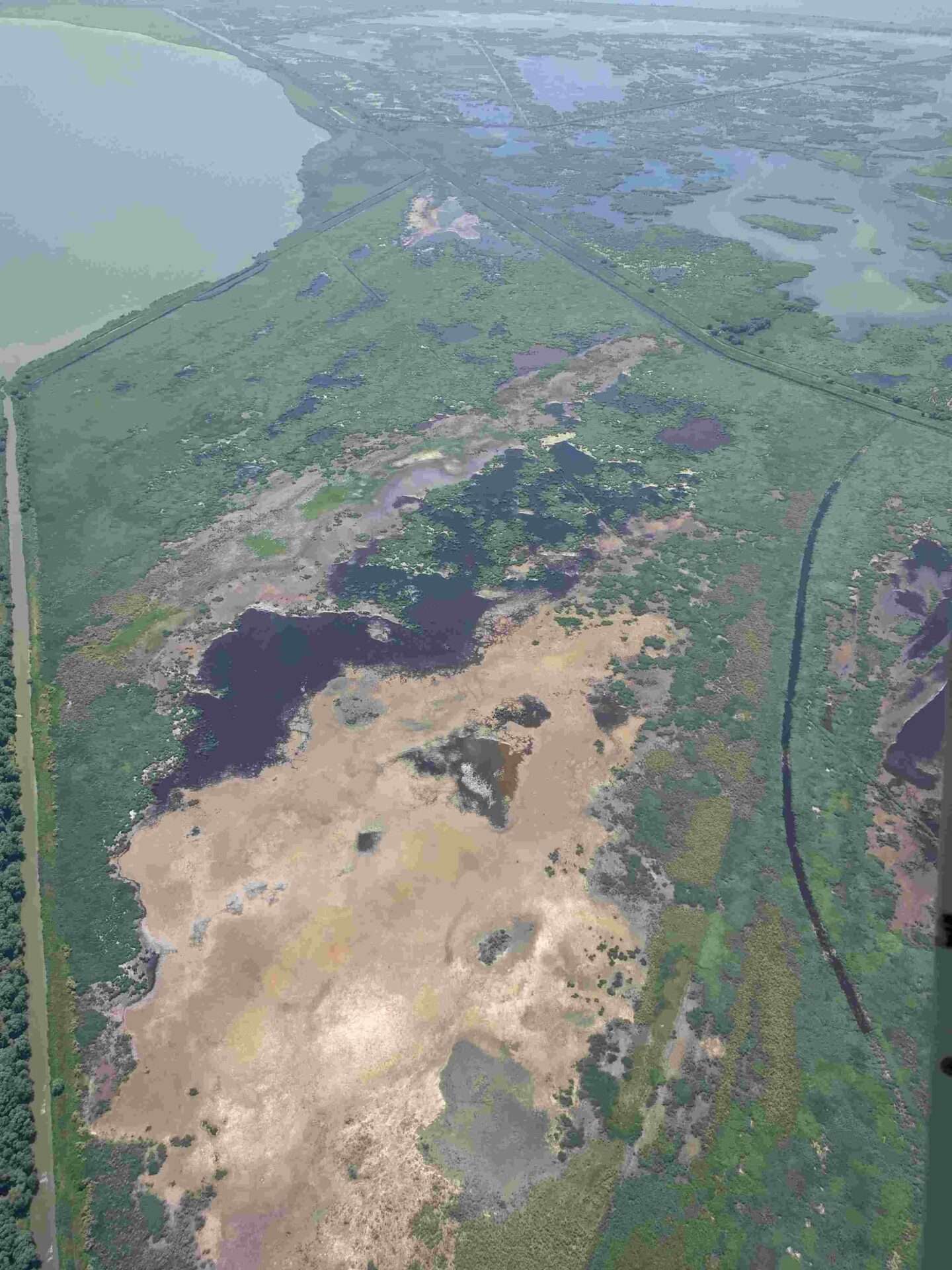
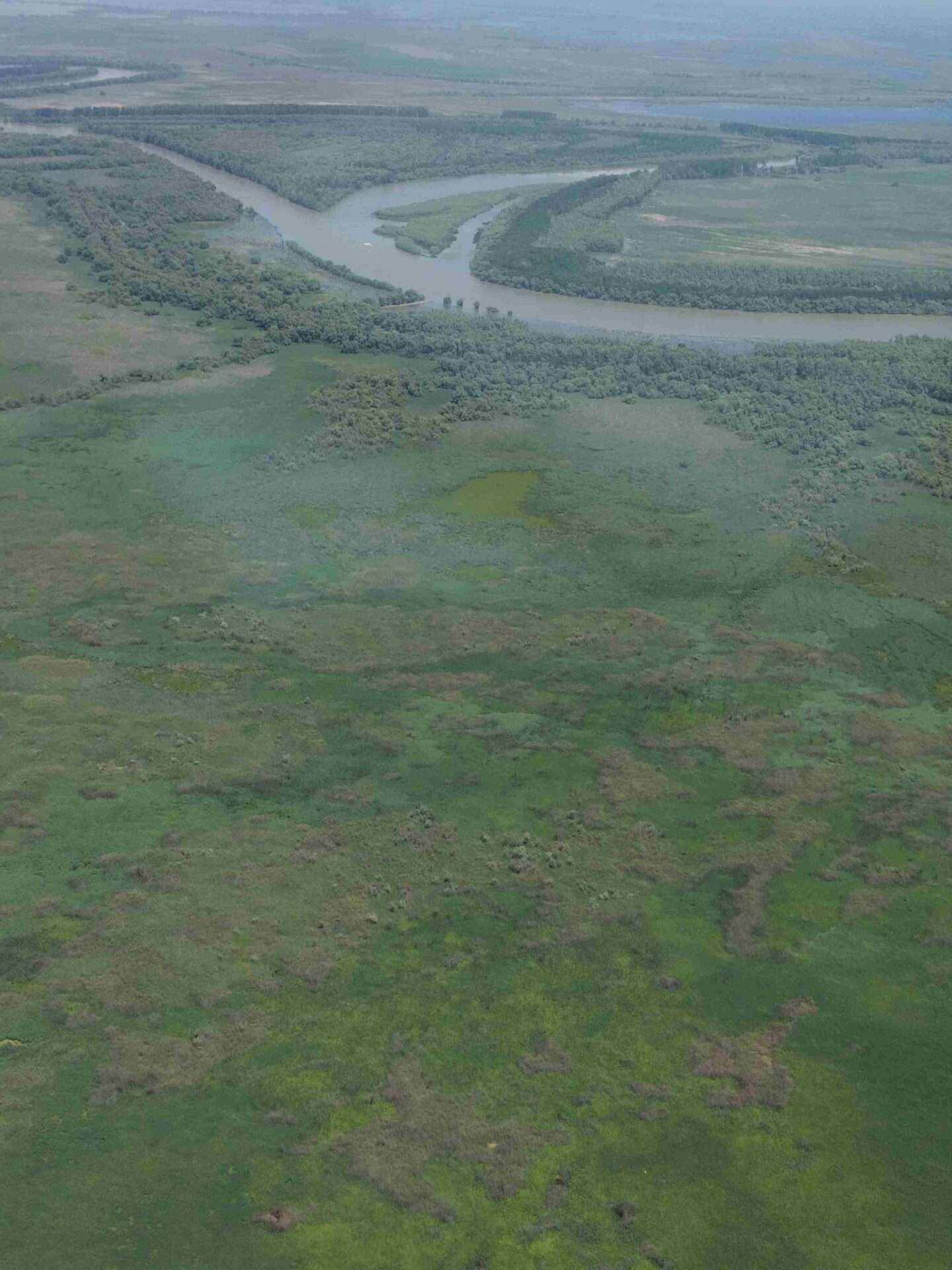
Launched later to adapt and scale the successful methods to additional regions (e.g., Danube Delta, Santorini, Lanzarote).

From Demonstration to Replication: Building a Community Movement

First Movers, Fast Learners

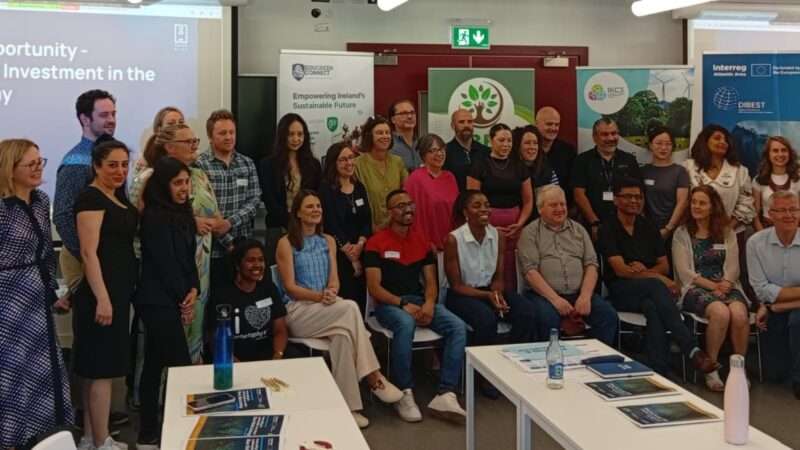
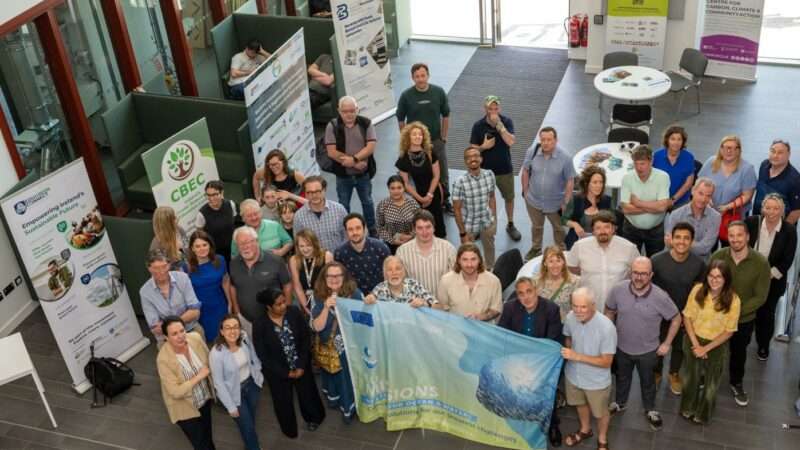
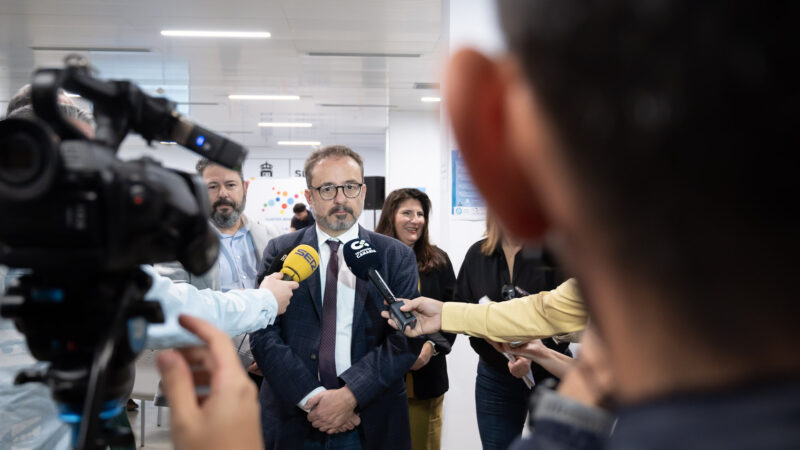
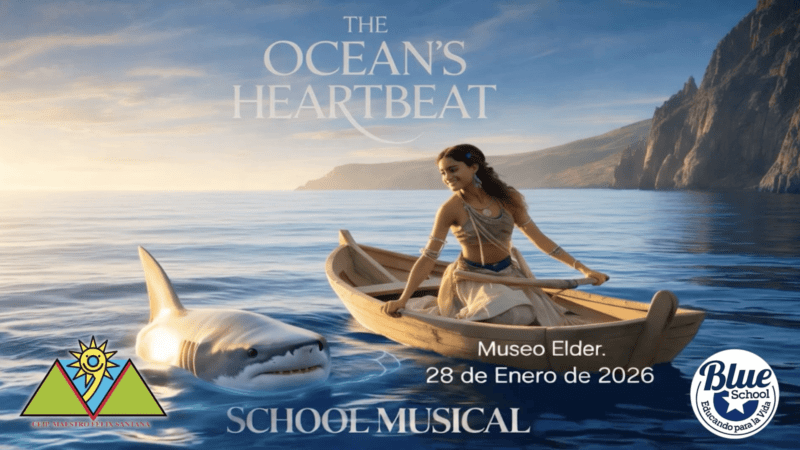
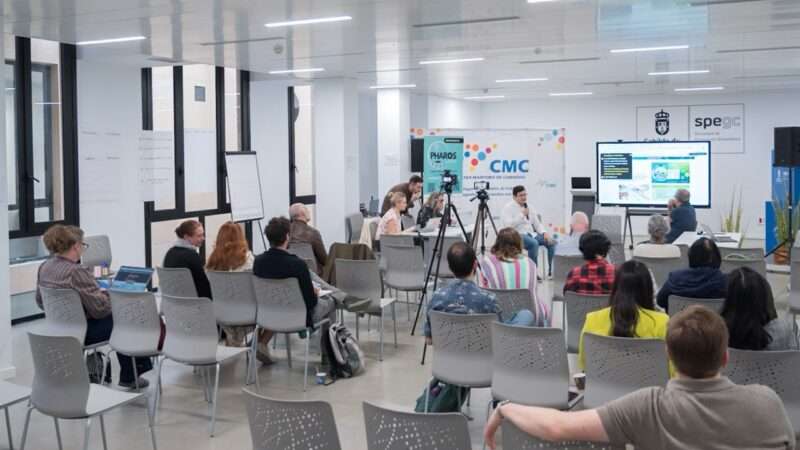
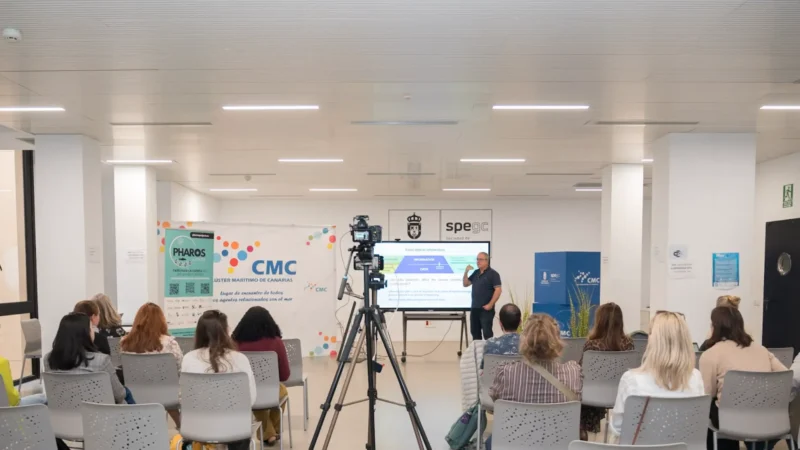
First, we set up demonstration Living Labs in our core sites: Gran Canaria, Ireland and Iceland. These are the pioneers. The Living Labs are not all launched at once. The Gran Canaria Lab is the first that was publicly launched (in January 2026), followed by Ireland in May, and Iceland later. This allows lessons from the early Labs to inform those that come later. They test the whole process: how to bring people together, how to use the tools, how to co-design activities. They work out what works and what needs adjusting.

Local Roots, Shared Learning

Each Living Lab is rooted in its own network of communities, each with distinct characteristics, needs, and contexts. The challenges addressed and activities implemented are co-designed in close collaboration with these communities, ensuring relevance, ownership, and local impact. As each Living Lab evolves, its initiation and development generate valuable insights, best practices, and lessons learned. These experiences not only strengthen the individual Living Labs but also provide transferable knowledge that can inform and inspire the design and implementation of other Living Labs across the project. 

Replicating Success

Then, we take what we learn and use it to start Replication Living Labs in other places: Santorini, Danube Delta, Lanzarote. Each one adapts the same core method to its own local challenges. The litter problem in Santorini is different from the invasive species issue in the Danube, but the process of bringing people together to solve it is the same. The demo sites act as mentors, sharing their experience so the new Labs don’t have to start from scratch.

The tools and frameworks that hold it together

We built a shared set of tools to keep things consistent but flexible. 

The PHAROS Living Lab Canvas is the starting point. It is a simple visual template that each lab fills out with the help of the central team.

It forces you to answer the basic questions: Who are we, what problem are we trying to solve, who needs to be in the room, what are we going to do together? It gets everyone on the same page before any real work begins.

MINKA is a central socio‑cyberinfrastructure used as the primary tool for citizen science data collection, visualisation, and stakeholder deliberation. It provides the platform where all observations are collected and centralised.

MINKA is the technical backbone for a lot of what the labs do. People can upload photos of species they spot, track marine litter, and share observations. The platform also has tools for analysis and discussion, such as a forum, and it is not just a data collection app. It is a place to see patterns, to ask questions, and to talk about what the data means. For labs that are not focused on biodiversity monitoring, MINKA can still act as a hub to show what people are doing, to host discussions, or just to share results.

Stakeholder Engagement Toolkit includes templates and methods for stakeholder mapping, classification (e.g., ValidatorMobiliserFacilitatorContributor), prioritisation, and engagement planning.

For stakeholder engagement, we use mapping templates to work out who the key people are and what role they should play. Some people are validators – the scientists or government officers who check the data. Some are mobilisers – the ones who rally the community. Some are facilitators – the ones who open doors and provide space. And some are contributors – the ones who show up and take part.

Co‑creation Methodology is a structured process for the collaborative design of actions, involving stakeholders in workshops to define problems, design solutions, and create a roadmap for implementation.

Co‑creation is the heart of it all. We do not design activities for people, we design them with people through workshops, focus groups, even simple surveys, all aimed at getting stakeholders to shape the actions from the start. Then we build a roadmap together: who does what, when, what counts as success. It sounds simple, but it changes everything. When people help design the work, they care if it gets done.

Risk and Capacity Assessment is a structured process for identifying and mitigating potential risks to the Living Lab’s success, including operational, stakeholder-related, and technical risks.

We also spend time upfront thinking about potential risks: What if key people lose interest? What if there is a political shift that cuts off support? What if bad weather stops our planned beach clean-ups? By naming the risks early, we can plan around them instead of being surprised later.

The plan and the timeline

The labs are launching in waves. Gran Canaria is the first, with its public launch in January 2026. Danube Delta, Iceland and Ireland follow soon after. Then the other replication labs come online through the second and third years of the project.

The central team does not just hand over a manual and disappear. They hold regular calls with each lab leader to troubleshoot problems, they provide training on MINKA, they help design co‑creation workshops, and they even organise peer learning sessions where lab leaders from different places can swap stories about what is working and what is not.

Staged Launch, Structured Support

Key Activities

Fill out the Living Lab Canvas, map stakeholders, identify local challenges.

Key Activities

Reach out to stakeholder groups, build relationships, run initial surveys or interviews.

Key Activities

Host workshops to design actions together, create a shared roadmap, define what success looks like.

Key Activities

Run first activities, use MINKA to track data and engagement, monitor progress against KPIs.

Key Activities

Review what is working, adjust plans, share lessons across the network.

By the end of the second year, every lab is expected to have done the same core stepsfill out the Canvasmap their stakeholdersco‑create a first set of activitieslaunch at least one local action using MINKA or another PHAROS tool, and report back on what happened.

Work Packages (WP) and Deliverables related to Living Labs

WP2 – Stakeholder Engagement, MPA, Education, Fisher Guardian and Citizen Litter Entrepreneur programmes (Led by CSIC)

Most of the Living Lab work falls under Work Package 2 of the PHAROS project, which is led by CSIC.

It is responsible for establishing, supporting, and evaluating the Living Labs across all demonstration and replication sites. It defines the methodology, engages stakeholders, and integrates the Labs with other PHAROS innovations such as the MINKA platformBlue SchoolsFisher Guardians, and Citizen Litter Entrepreneurs.

WP1 – Methodology and Preparation (Led by: Deltares)

Provides the overall methodological framework for the PHAROS project. It defines the baseline data gatheringmonitoring, and methodologies that the Living Labs use to track their impact.

WP3 – Build, Implementation and Evaluation of demos (Led by: ULPGC)

The Living Labs work in close collaboration with WP3. Stakeholders and leaders for the demo sites engaged through the Living Labs provide input on the design, implementation, and evaluation of the four nature‑based solution (NBS) demonstrations.

WP5 – Replication and Exploitation (Led by: PLOCAN)

The Living Labs are critical for the replication strategy. They will be established in new regions to co‑create roadmaps for scaling up the project’s solutions, ensuring local ownership and adaptation of the technologies and methodologies developed in the demos.

WP7 – Dissemination and Communication (Led by: ICoRSA)

Disseminates Living Lab results through publications, events, webinars, and the project websitecommunicates the benefits of Living Labs to public audiences.

D.2.1 Living Lab implementation plans

This deliverable provides the conceptual and methodological foundation for how Living Labs will operate, including a detailed implementation guide for Lab leaders.

D2.2 Interim Reports Living Labs evaluation

mid‑term report assessing the effectiveness and impact of the Living Labs, identifying what is working well and what needs adjustment.

D2.10 Final Reports Living Labs evaluation

final, comprehensive report evaluating the overall impact and success of the Living Labs throughout the entire project duration.

Connections with other parts of PHAROS

Living Lab sits at the centre of all the other PHAROS innovations, pulling them together in one place. The Living Lab infrastructure, including the MINKA platform and network (a citizen science platform for collecting biodiversity and environmental data) will connect all PHAROS initiatives.

These include Nature‑Based Solutions (NBS) demonstrationsreplication regions, the Marine Protected Area (MPA) platform and networkFisher Guardians and Litter Entrepreneur programmes, and the expansion of the Blue School Network in the Atlantic and Arctic basin.

Citizen Litter Entrepreneurs

The labs also connect to the Citizen Litter Entrepreneurs programme, that is about turning marine litter into a business opportunity.

The labs can be the place where those entrepreneurs find local support, connect with recyclers, and test their ideas.

Fisher Guardians

The Fisher Guardians programme is another natural fit: fishers who want to protect their waters, who want to track lost gear, who want to be part of the solution rather than just the industry.

The Living Labs give them a space to talk to scientists, to government, to the tourism sector in order to build trust and find common ground.

Blue Schools

There are also the Blue Schools: classrooms that want to get their students out of the building and into the real world.

A Living Lab can be their partner, a place where students can run their own monitoring projectsinterview local fishers, or design their own awareness campaigns.

None of these things exist in isolation. The fishers might work with the school kids, the litter entrepreneur might use MINKA data to decide where to focus, and the MPA manager might join a workshop to hear what local people actually want from protected areas. The Living Lab is the place where all these threads get woven together, by creating a space where they naturally meet.

Consortium Partners involved in Living Labs


CSIC (Agencia Estatal Consejo Superior de Investigaciones Científicas)

 WP2 Leader & Methodological Lead

Provides the overall framework, tools (including the MINKA platform), and methodology for the Living Labs. Leads the co‑creation and citizen science integration.

Expert in citizen science, stakeholder engagement, and education (Blue Schools). Manages the MINKA citizen observatory platform.

CMC (Asociación Cluster Marítimo de Canarias)

Coordinator of the Gran Canaria Demonstration Living Lab
Manages the most advanced Living Lab, acting as the local hub for stakeholder engagement and activity implementation. Also leads the replication labs for Lanzarote, Azores, and Cape Verde.

Represents the blue economy industry sector. Has strong local networks in the Canary Islands and expertise in cluster management and maritime business.

MTU (Munster Technological University)

Coordinator of the Ireland Demonstration Living Lab
Leads the development of the Irish Living Lab, connecting academic research with local communities and the aquaculture industry.

Expertise in marine and freshwater research, stakeholder engagement, and education.

BMRS (Bantry Marine Research Station Limited)

Key Partner in the Ireland Living Lab
Provides local knowledge, facilitates connections with the salmon farming industry and the local community in Bantry Bay.

Specialises in applied marine research, macroalgae cultivation, and linking science with the local community and industry.

ICoRSA (International Consortium of Research Staff Associations)

WP2 Core Support Partner
Assists in stakeholder mapping, engagement planning, and communication. Provides expertise on researcher engagement and disseminating Living Lab results.

International network of research staff associations. Expert in stakeholder engagement, communication, and dissemination.

DTU (Danmarks Tekniske Universitet)

Coordinator of the Iceland Demonstration Living Lab
Leads the scientific and technical aspects of the Icelandic Living Lab, focusing on eDNA and invasive species monitoring, and engages local stakeholders around this theme.

Leading expertise in environmental DNA (eDNA), marine monitoring technologies, and invasive species management.

IZNASU (I.I. Schmalhausen Institute of Zoology)

Co-Coordinator of the Danube Delta Replication Living Lab
Leads the local implementation in the Ukrainian sector of the Danube Delta, focusing on biodiversity and invasive species monitoring using citizen science.

Expertise in zoology, biodiversity, and ecosystem research in the Danube Delta region.

LPNU (Lviv Polytechnic National University)

Co-Coordinator of the Danube Delta Replication Living Lab
Supports the local implementation and stakeholder engagement in the Danube Delta, with a focus on linking education and citizen science.

Expertise in environmental engineering, sustainable development, and engaging local communities and schools.

IHA (Impact Hub Labs)

Coordinator of the Santorini Replication Living Lab
Leads the Living Lab focused on marine litter and the circular economy in Santorini, connecting local stakeholders and the Citizen Litter Entrepreneurs programme.

Expert in social innovation, entrepreneurship, and the Citizen Litter Entrepreneurs programme. Specialises in running hackathons and supporting start‑ups and citizen‑led initiatives.

RBINS (Institut Royal des Sciences Naturelles de Belgique)

Key Partner for MPA Engagement
Works with the Living Labs to adapt and expand the MPA Blueprint platform, ensuring local stakeholder input is integrated into marine protected area management.

Expert in marine biodiversity, MPA management, and conservation policy.

UGent (Universiteit Gent)

Key Partner for Training
Develops and delivers training modules for MPA managers and other stakeholders, in close collaboration with the Living Labs.

Expert in marine research and education, with a dedicated Marine Training Unit.

UGI (Underwater Gardens International SL)

Key Partner for Technical Innovations
Engages with Living Labs to co‑design and implement artificial reef restoration projects, integrating local knowledge with technical solutions.

Expert in artificial reef design and restoration.

PLOCAN (Consorcio para el Diseño, Construcción, Equipamiento y Explotación de la Plataforma Oceánica de Canarias)

Project Coordinator
Provides the overarching project management and ensures the Living Labs are integrated with other project activities, particularly the demonstrations (WP3) and replication (WP5).

Operator of a world‑class ocean test site. Expertise in project coordination, marine infrastructure, and linking science with industry.

CIIMAR (Centro Interdisciplinar de Investigação Marinha e Ambiental)

Key Partner for the Fisher Guardian Programme
Engages with the Living Labs to connect with fisher communities, co‑develop best practices, and test new technologies for reducing marine litter.

Expert in marine litter, fishing gear impacts, and the Fisher Guardian programme.

ULPGC (Universidad de Las Palmas de Gran Canaria)

Key Partner in the Gran Canaria Living Lab
Provides scientific expertise on macroalgae and invertebrate cultivation, contributing to the co‑creation of restoration activities with local stakeholders.

Expert in marine biology, aquaculture (IMTA), and macroalgae cultivation.

Privacy Preferences

When you visit our website, it may store information through your browser from specific services, usually in the form of cookies. Our Privacy Policy can be read here.

Here you can change your Privacy preferences. It is worth noting that blocking some types of cookies may impact your experience on our website and the services we are able to offer.

Click to enable/disable Google Analytics tracking code.
Click to enable/disable Google Fonts.
Click to enable/disable Google Maps.
Click to enable/disable video embeds.
Our website uses cookies, mainly from 3rd party services. Define your Privacy Preferences and/or agree to our use of cookies.