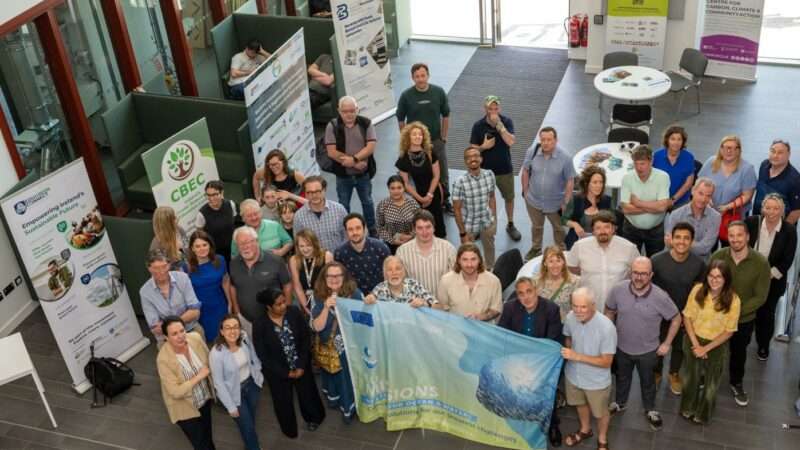
Irish Living Lab Day 3: Bantry Marine Research Station
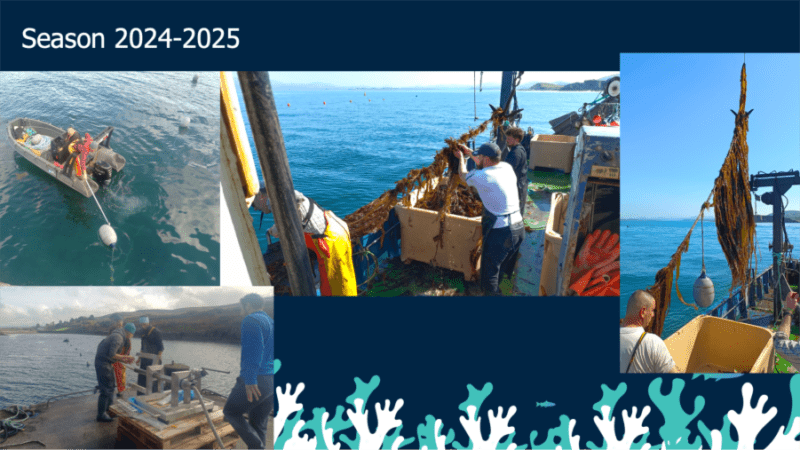
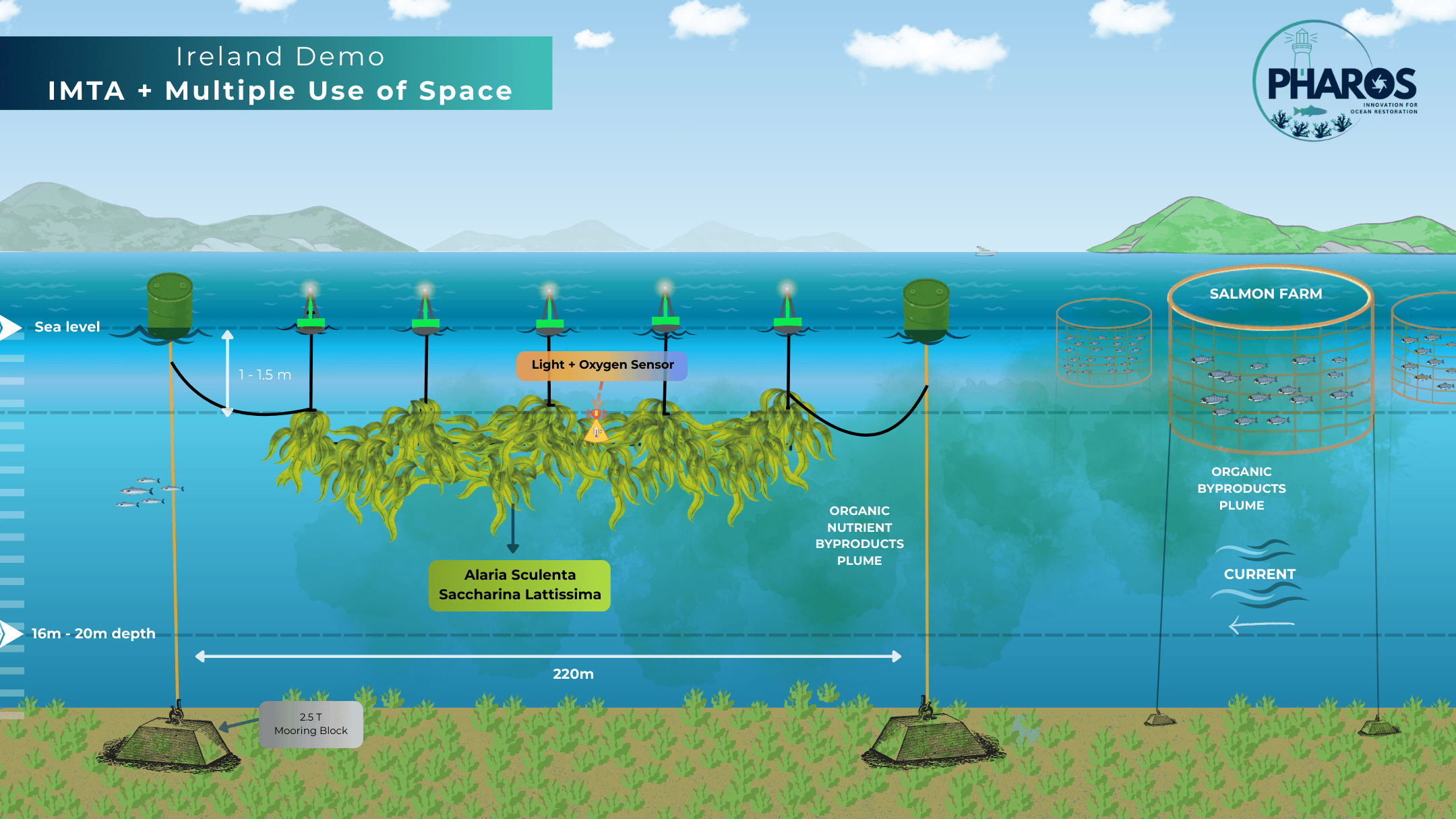
Irish Living Lab Day 3: Bantry Marine Research Station https://pharosproject.eu/wp-content/uploads/2026/05/WhatsApp-Image-2026-05-30-at-15.32.01-1024x576.jpeg 1024 576 PHAROS Project https://pharosproject.eu/wp-content/uploads/2026/05/WhatsApp-Image-2026-05-30-at-15.32.01-1024x576.jpegCan farmed seaweed, placed 200 metres from a salmon farm, restore habitats? PHAROS data from Bantry Bay shows more biodiversity at the IMTA site, but more kelp at the control site. Winged and sugar kelp were grown near the salmon farm.