Marine BioBlitz Day at the Museo Atlántico, Lanzarote
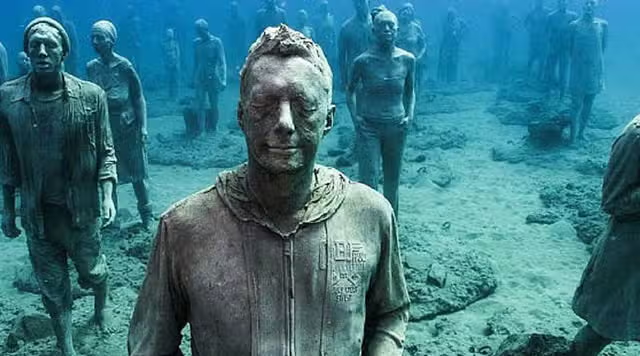
Marine BioBlitz Day at the Museo Atlántico, Lanzarote https://pharosproject.eu/wp-content/uploads/2026/02/museo-atlantico-m.avif 640 356 PHAROS Project https://pharosproject.eu/wp-content/uploads/2026/02/museo-atlantico-m.avifThere is a moment, as you descend the mooring line, when the blue begins to resolve into shapes. At first they are ghosts, vague outlines in the suspended light. Then they solidify, and you find yourself floating at the edge of a crowd. A circle of men, frozen in time, their expressions solemn. A woman lying on a sunken sofa, staring at the surface with empty eyes. A child clutching a inflatable boat. This is not a hallucination. This is the Museo Atlántico, and it is perhaps the most optimistic graveyard in the world.
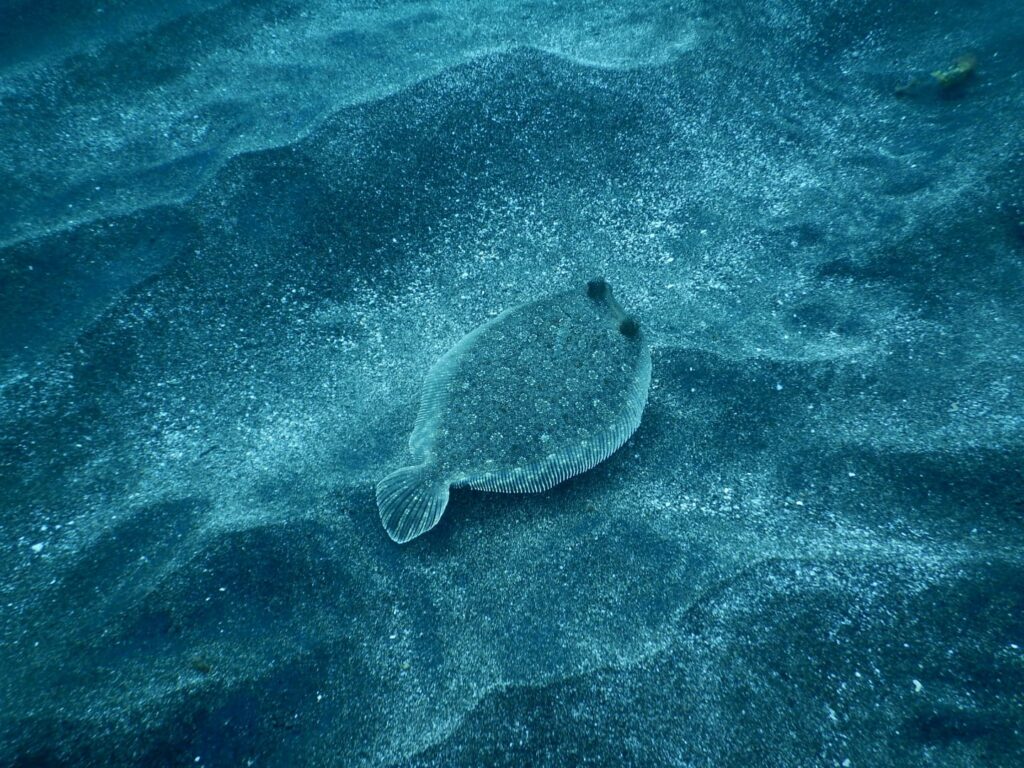
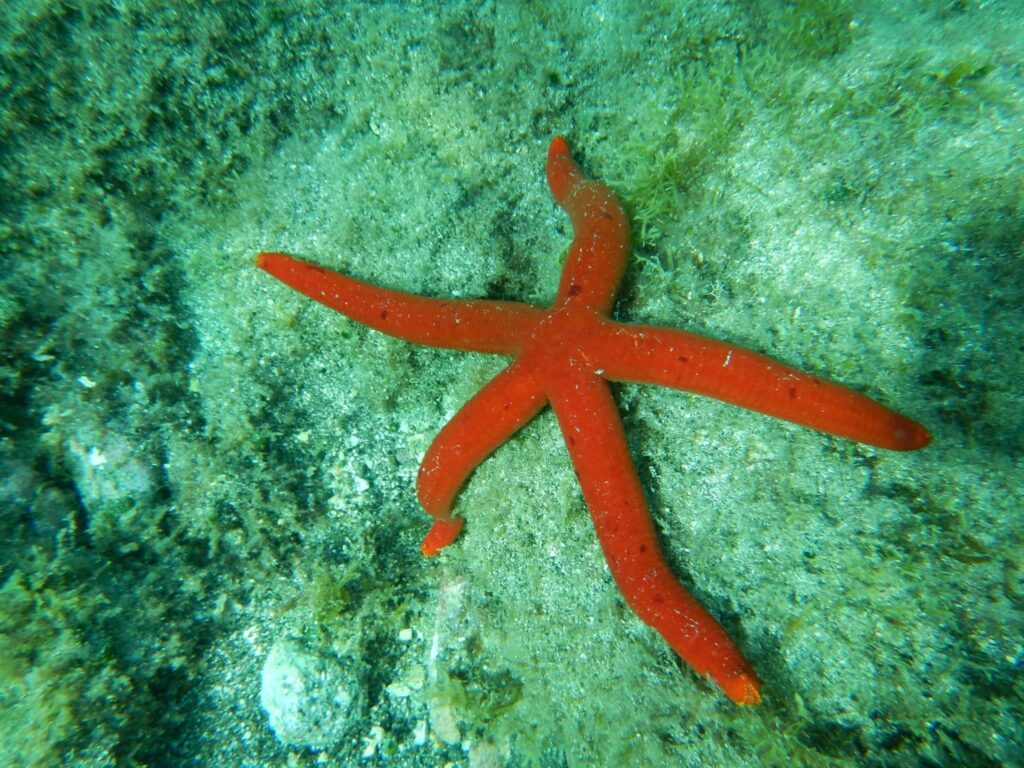
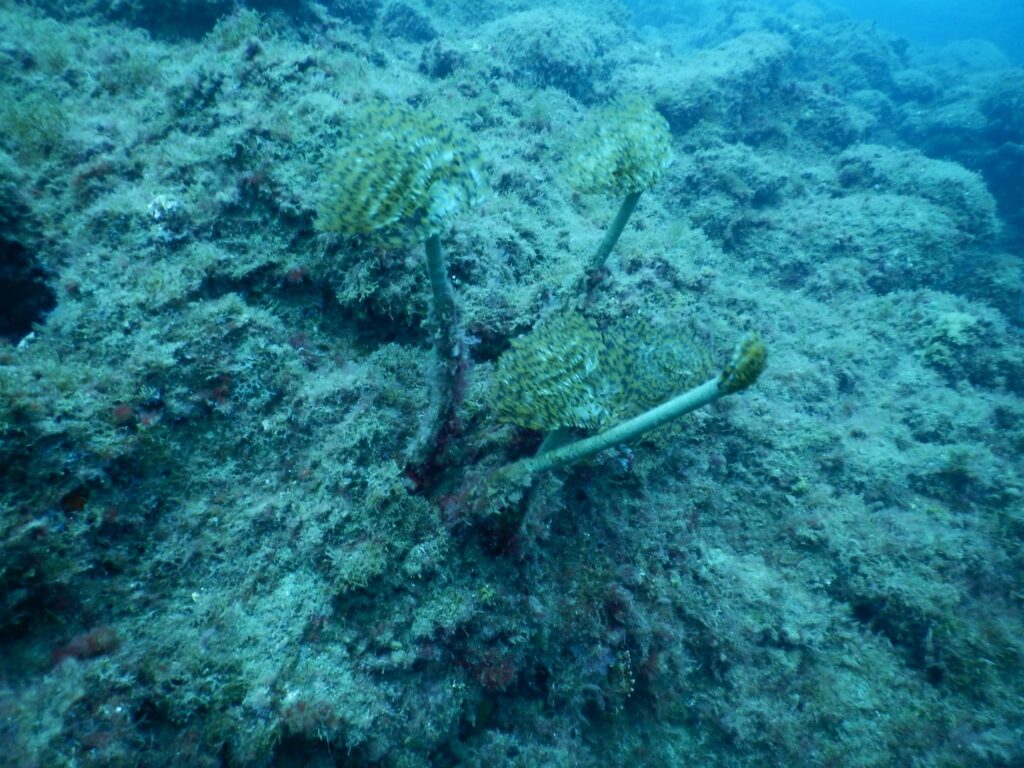
On the morning of January 31st 2026, as part of the PHAROS Citizen Science Marine BioBlitz, this extraordinary site off the coast of Lanzarote became more than just an art installation. It became a classroom, a laboratory, and a powerful piece of evidence in the case for ocean restoration. Families, snorkelers, and newly minted citizen scientists slipped beneath the surface not just to observe, but to contribute. Their task was to photograph the algae, the sponges, the fish, anything that had made a home on these silent figures, and upload their findings to MINKA, PHAROS’s citizen science platform. In doing so, they transformed themselves from visitors into active research participants.
The museum itself is the work of British artist Jason deCaires Taylor, who in 2016 installed over 300 life-size sculptures on a barren sandy seabed at a depth of 12 to 14 metres. The medium is pH-neutral concrete, chosen not for its durability alone but for its ability to mimic the natural chemistry of the ocean floor. The subject matter is humanity itself, caught in moments of reflection, consumption, and migration. There is a selfie-taking tourist, a group of bankers, a raft of refugees. It is art with a conscience, art that forces a confrontation.
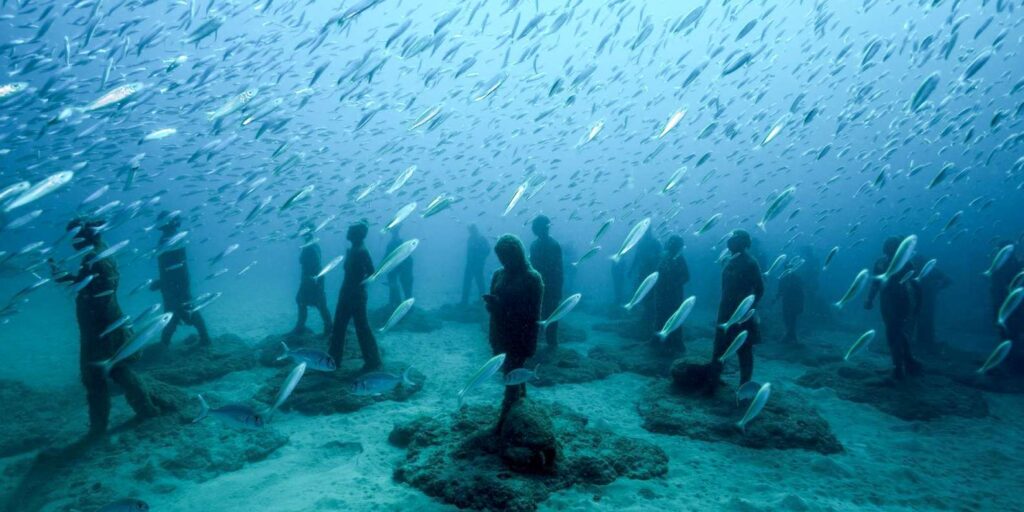
Yet beneath the social commentary, a quieter, more profound transformation is taking place. The sculptures, for all their political weight, are first and foremost artificial reefs. Every fold of a shirt, every curve of a face, every outstretched hand provides a micro-habitat. What was once a flat, featureless desert is now a vertical city for marine life. The skin of the figures is rough with colonising organisms. Algae waves like hair from their stone scalps. Anthias fish dart through the gaps between arms and torsos as if navigating a natural rock formation. The museum proves that you do not need to choose between culture and conservation; you can have both.
For the PHAROS team, observing this site during the BioBlitz was a validation of their core thesis. The Museo Atlántico is not a random aggregation of blocks; it is a designed landscape that actively catalyses reef recovery. The data collected by the citizen scientists on that Saturday morning, the images and observations logged on MINKA, will help quantify exactly how effective this approach has been. It adds to the growing body of proof that human ingenuity, when properly applied, can accelerate the ocean’s own healing processes.

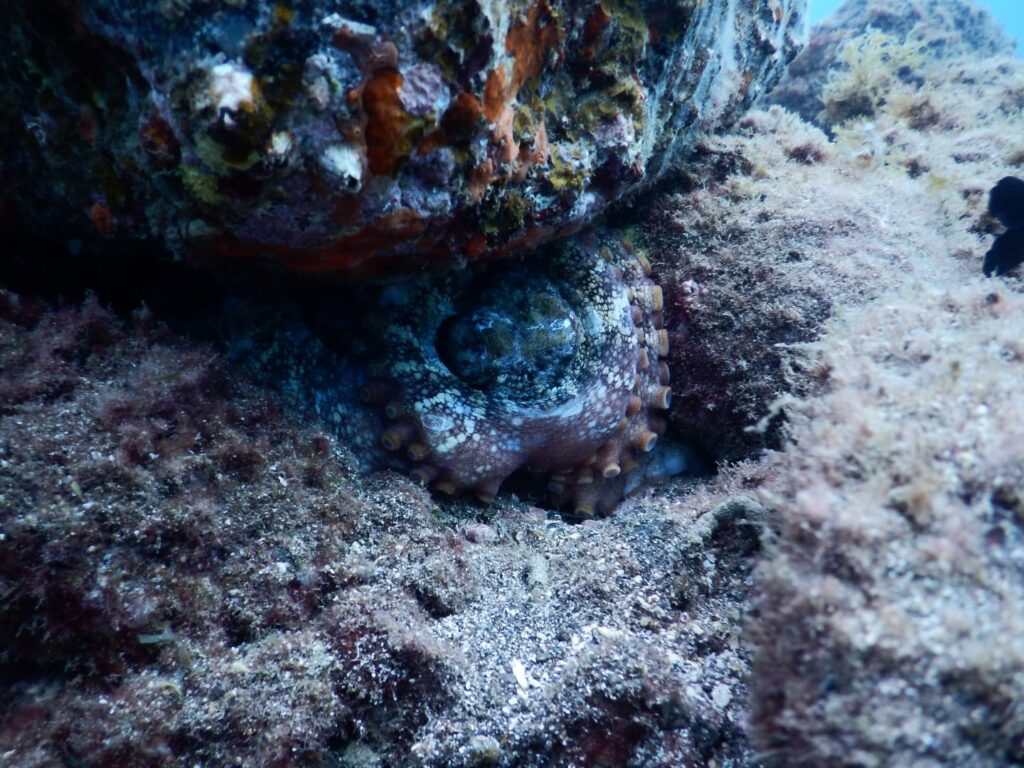
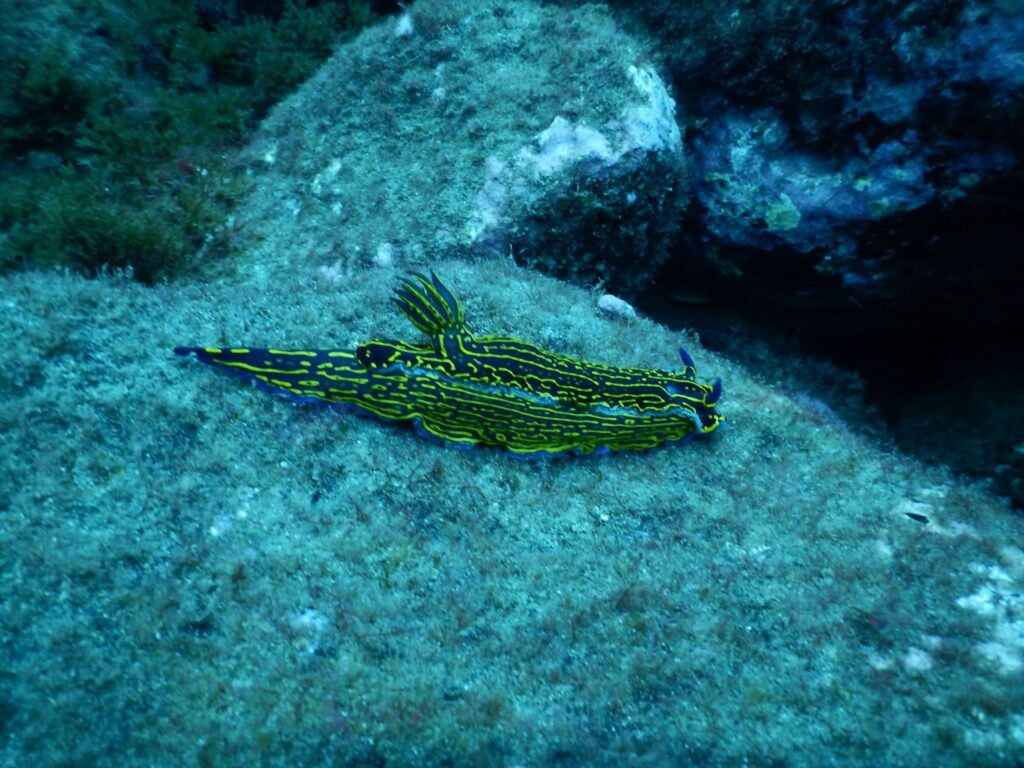
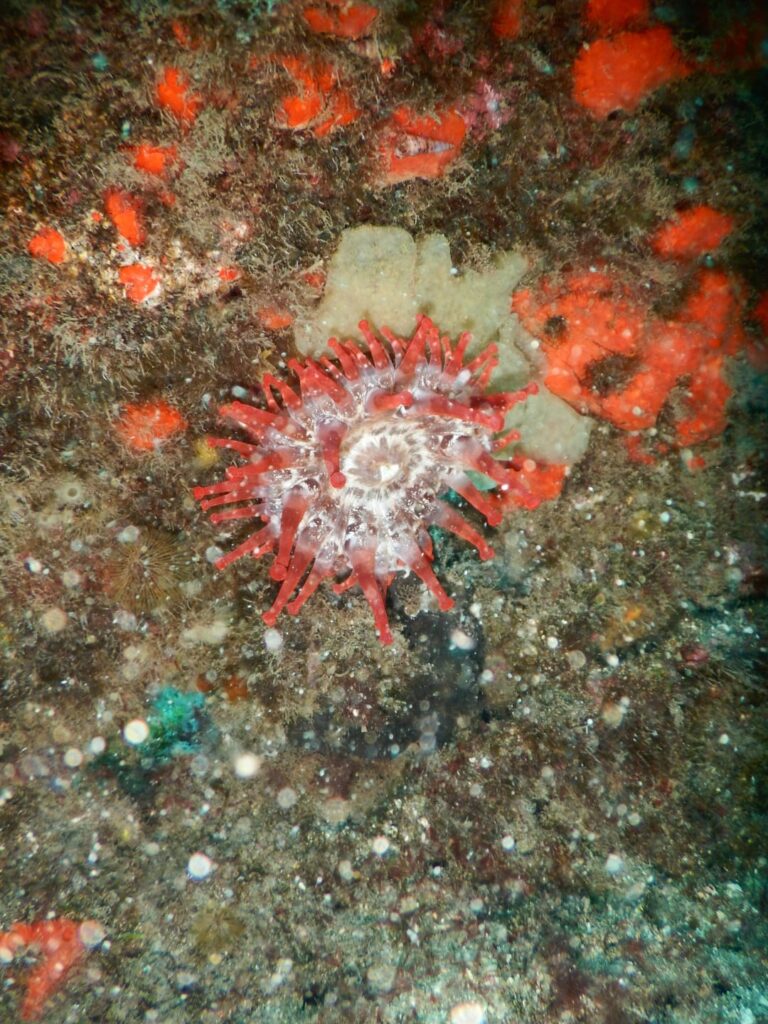

And that proof is urgently needed. The Gran Canaria demonstration, which lies at the heart of the PHAROS mission, plans to deploy what it calls Smart Enhanced Reefs, or SER, alongside Integrated Multi-Trophic Aquaculture systems. This is a mouthful of scientific jargon, but the principle is simple. It means creating structures that not only provide habitat but also work in tandem with sustainable food production, farming seaweed and shellfish alongside the new reefs to create a closed loop of nutrients and growth.
The sites explored during the BioBlitz, the artistic ruins of the Parque de la Atlántida, the long-term experiment of the Biotopo de Arguineguín, the natural baseline of El Cabrón, and now the underwater gallery of Lanzarote, all point to the same conclusion. It is a conclusion that offers genuine hope in a decade often defined by ecological despair. Whether you sink pH-neutral concrete in the shape of a mythical civilisation or a gathering of refugees, the result is the same. The life comes back. And it comes back fast.
As the sun set on the final dives of January 31st, the citizen scientists emerged with full cameras and full hearts. They had contributed to real science. They had seen with their own eyes that the ocean is not a lost cause. And they had floated through a gallery where the exhibits are not just looking at humanity, they are slowly, silently, being reclaimed by the sea. That reclamation is not a tragedy. It is the resurrection.