Islands Forge Path to Healthier Seas: Canary Islands Living Lab Launch and the PHAROS Mega Event
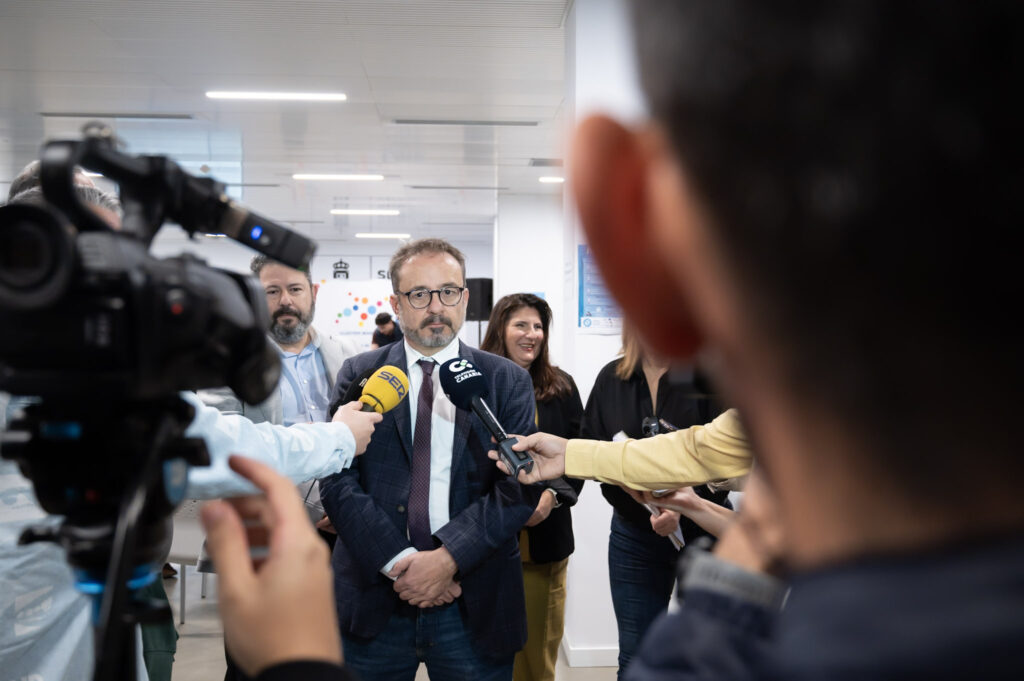
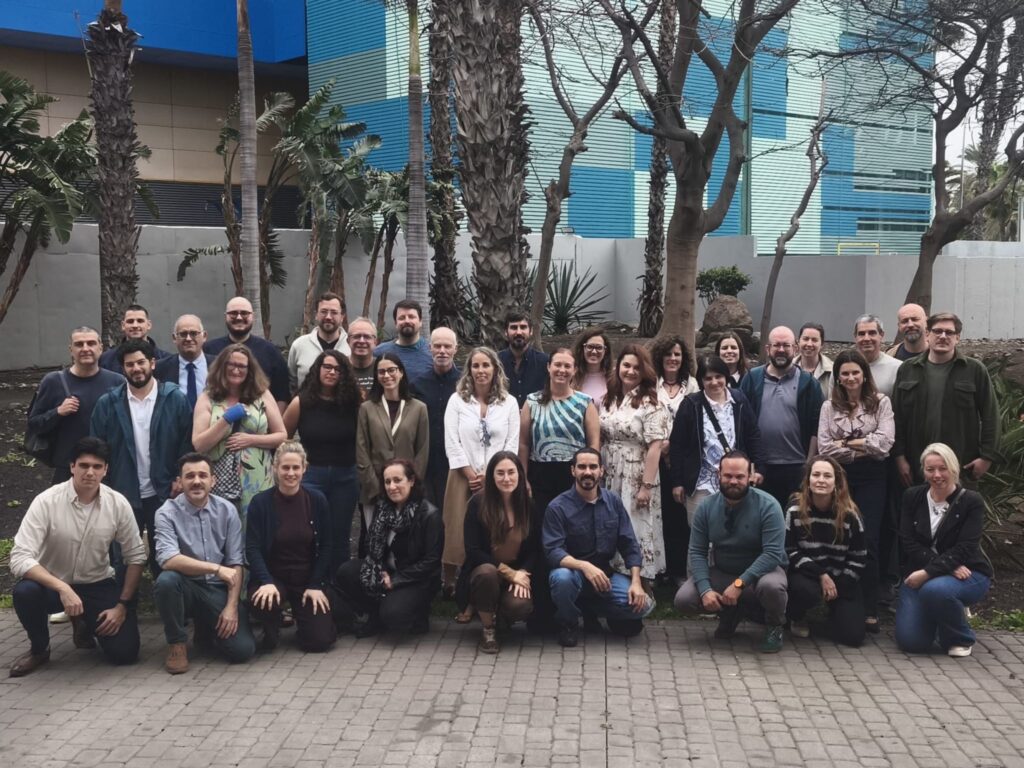
Islands Forge Path to Healthier Seas: Canary Islands Living Lab Launch and the PHAROS Mega Event https://pharosproject.eu/wp-content/uploads/2026/02/11-_Z6L9940-1024x681.jpg 1024 681 PHAROS Project https://pharosproject.eu/wp-content/uploads/2026/02/11-_Z6L9940-1024x681.jpgLAS PALMAS, Gran Canaria – For three days at the end of January 2026 (28-31), the Canary Islands became the focal point for a concerted effort to rethink how we protect and restore marine environments. The first PHAROS Mega Event, hosted by the MarCoLab initiatives on Gran Canaria and Lanzarote, brought together a broad cross section of society. Government representatives sat beside researchers, innovators networked with local fishermen, and educators shared ideas with investors, all united by the launch of two new Living Lab communities: MarCoLab Gran Canaria and MarCoLab Lanzarote. The goal was to move from talk to action, addressing marine ecosystem restoration challenges through direct collaboration. Over the three days, a packed programme unfolded, turning theory into practice across a series of focused sessions.
Turning Trash into Treasure: The Litter Entrepreneurs Seminar/Webinar
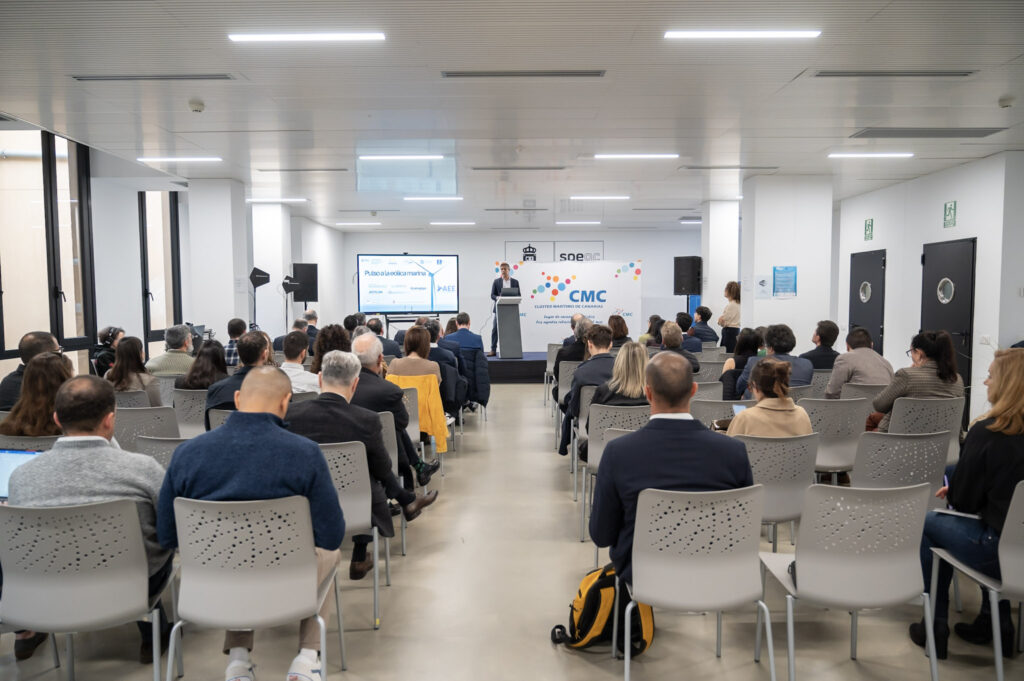
The event opened on Thursday morning at the Clúster Marítimo de Canarias with a distinctly practical focus on the economic potential of waste. PHAROS organised the third instalment of its Litter Entrepreneurs Seminar, this time held in person and titled From Waste to Worth. Conducted in Spanish to ensure full engagement from the local community, the seminar brought together a panel of experts in the blue economy and waste recycling. They guided participants through the process of valuing ocean waste, not as an end-of-pipe problem but as a resource. The session was designed to introduce best practices for aspiring ocean entrepreneurs, demonstrating how plastic litter and other marine debris could be transformed into the foundation for sustainable businesses. Through discussions of innovative solutions, practical training, and an introduction to the tools available for circular economy ventures, attendees left with a clearer understanding of how environmental challenges can also present economic opportunities.
Enlisting the Fleet: The Fisher Guardians Initiative
Later that same Thursday, the focus shifted from the seminar room to the dockside at San Cristóbal port. In a tangible demonstration of the circular economy in action, organisers officially launched new recycling bins specifically designed for fishermen’s plastic waste. This initiative, known as Fisher Guardians, is built on a simple but powerful premise: to engage the fishing community directly as protectors of the ocean. Fishermen are often the first to encounter marine litter, particularly old or unused fishing nets, which can continue to trap wildlife long after they have been discarded. By providing dedicated recycling containers at the port, the programme ensures that this waste is collected and valued properly rather than being dumped at sea or left to rot on quaysides. The launch was a practical step towards reducing marine litter and pollution, and it served as a clear demonstration of how the fishing industry, often blamed for environmental damage, can instead become a key part of the solution in protecting the sea.
Learning to Collaborate: The Best Practices in Living Labs Workshop
Friday morning began with an official launch of MarCoLab Living Lab (Canary Islands) followed by an interactive session designed to strengthen the very foundations of the Living Lab approach. The formal launch of MarCoLab Gran Canaria and MarCoLab Lanzarote took place on Friday, January 30 with important Canary Islands stakeholders. These new living labs, driven by the PHAROS project, are designed as a formula for connecting the ocean, collaboration, laboratory work, and infrastructure. More than a physical space, they represent a way of working that transforms ideas into solutions that can be applied directly in the field. The model is built on what is known as the quadruple helix approach, bringing together public administration, researchers, businesses, and society to collaborate toward a common goal. Their focus is on innovation aimed at restoring marine ecosystems while also promoting sustainable economic development linked to the sea.
The Best Practices in Living Labs Workshop was a training ground for stakeholders, aimed at empowering them to co-develop solutions for marine biodiversity. Rather than simply presenting theories, the workshop shared effective methods for engagement, outlining strategies to bring citizens into the process and governance approaches that have proven successful in other Living Lab implementations. Participants worked through practical scenarios, learning how to foster genuine participation and ensure that the development of marine solutions is not something done to communities but done with them. The session underscored that a Living Lab is not just a physical space but a methodology, one that relies on constant feedback and collaboration between all parties involved.
Navigating the Red Tape: Permitting Challenges Roundtable
Later on Friday morning, a different kind of challenge took centre stage. The roundtable on Permitting Challenges and Opportunities for Academia and Collaborative Projects brought together the people who write the rules and the people who are frustrated by them. Local authorities, marine spatial planners, and regulators sat down with academic institutions and project teams to discuss the barriers that too often slow down research and innovation. Obtaining permits for marine research, for sampling, or for testing new technologies can be a labyrinthine process, one that eats up time and resources. The discussion was frank, exploring the bottlenecks and looking for collaborative solutions that could streamline processes without compromising environmental protections. It was an attempt to build bridges between the necessary oversight of regulators and the need for agility in research projects.
Supporting the Guardians: The MPA Managers Workshop
Also on Friday, a session was held specifically for those on the front lines of marine conservation: the managers of Marine Protected Areas. The MPA Managers – Overcoming Challenges Workshop focused on practical tools for a difficult job. Central to the discussion was the Blueprint Platform, a collection of digital tools and resources being developed under the Blue4All Project. These tools are designed to support MPA managers in their daily work, helping with monitoring, planning, and engagement. The workshop was a co-creation session, meaning that the managers themselves were asked to contribute their insights and experiences to further develop the platform, which will eventually be enhanced and expanded by the PHAROS project. It was an acknowledgement that those who manage protected areas need better support, and that the best tools are designed with their direct input.
Educating the Next Wave: The Blue Schools Seminar
Friday afternoon brought a change of pace with the Blue Schools Seminar, organised for teachers and educators. The room was filled with people who are already part of the Blue School network in the Canary Islands, and the atmosphere was one of celebration and forward planning. Teachers shared their experiences of bringing ocean literacy into the classroom, swapping stories of projects that had engaged their students and sparked curiosity about the marine world. The seminar was not just about sharing successes, however. It also looked to the future, with discussions on how to expand the Blue School Network across the Atlantic and Arctic basins. The goal is to create a connected community of schools that promote ocean literacy from an early age, encouraging young people to understand the sea and to consider careers in the sustainable blue economy. By empowering the younger generation, the network aims to build a lasting legacy of ocean stewardship.
Data for the People: The MINKA Information Session for Academia
Later on Friday, the focus turned to the power of citizen science. The MINKA Citizen Platform hosted an information session aimed specifically at the academic community. The session demonstrated how data collected by ordinary citizens could be far more than just a curiosity, that it could in fact strengthen academic research and provide the evidence base for ecosystem management by public administrations and policy makers. Researchers were shown the data collection tools and methods available through MINKA, and they heard real success stories of how citizen observations had already contributed to academic studies and management projects. The session also explored various collaboration opportunities, encouraging universities and research groups to network with the platform and find ways to integrate citizen science into their own work. The message was clear: in an era of tight research budgets and vast ocean areas to monitor, the public can be a powerful partner.
A Weekend of Discovery: The Citizen Science Marine BioBlitz
Across the weekend of January 30 to 31, the waters and coastlines of Gran Canaria and Lanzarote were transformed. They became less a tourist playground and more a living laboratory, as the PHAROS project threw open its doors for a Citizen Science Marine BioBlitz. The mission was twofold. First, to engage the public directly in marine data collection, fostering environmental awareness and showing people that they could contribute to real science. Second, to test a radical proposition, that by involving citizens, we could build a detailed picture of ecosystems and track their restoration from the ground up.
On January 30, the BioBlitz events took place at various locations across both islands. These citizen science workshops invited participants to identify and record marine and coastal biodiversity, turning everyone who joined into a data collector on 4 different sites: EL CABRON, Gran Canaria, Biotopo de Arguineguín, Parque de la Atlántida (Mogán) and Museo Atlántico, Lanzarote . Armed with the MINKA platform, an application that allows users to upload and identify photos of fauna and flora with the help of a community of experts, volunteers fanned out across the shoreline. They photographed everything they could find, from common crabs to rare algae, from seabirds to the small creatures hiding in rock pools.
The results were striking. In just one weekend, the citizens of the Canary Islands collected 800 biodiversity observations. It was a snapshot of the islands’ marine life, captured not by a small team of scientists but by a large community of engaged residents and visitors. The data, now stored on the MINKA platform, provides a valuable baseline for understanding local biodiversity and for tracking changes over time.
Recognition in Media: A Local Newspapers Takes Note
Article 1: “Crónica del Atlántico Hoy” (29/01/2026)
This outlet reported on the launch of the pilot project as a new circular economy opportunity. It focused on the collaboration between PLOCAN, Gravity Wave, and the Pescatobal fishing cooperative in San Cristóbal, Gran Canaria. Key details included the initial collection of 220kg of fishing nets, the plan to recycle them into furniture and decor, and the use of Trinamix technology for plastic identification. It framed the story within the larger European PHAROS project, mentioning future plans for multi-trophic aquaculture and artificial reefs from 2027. See the Spanish version in PDF version here.
Article 2: “Tellkes” (02/02/2026)
Tellkes covered the “Fisher Guardians” workshop as the first open event of the Gran Canaria Living Lab under the PHAROS project. The report emphasised the workshop’s role in raising awareness and building trust within the fishing community about the recycling process. It highlighted the involvement of fishermen as key allies, the demonstration of the Trinamix device, and the project’s aims to reduce marine pollution and foster the blue and circular economy. See the Spanish version in PDF version here.
Article 3: “Telde Habla” (31/01/2026)
This local news site provided a detailed community-focused report on the same workshop. It included extensive direct quotes from project managers: Pablo Reche (PLOCAN), Amaya Rodríguez (Gravity Wave), and Dolores Guedes (Pescatobal). It elaborated on the practicalities, such as the dedicated “punto limpio” (clean point) in the port for storing nets, the fishermen’s positive reception, and their motivation to protect marine life like turtles. It also confirmed the 220kg collection and discussed the logistical considerations for local recycling versus processing on the Spanish mainland. See the Spanish version in PDF version here.
Article 4: Canarias7
The impact of the weekend’s efforts did not go unnoticed. The Living Lab MarCoLab initiative, which had created the collaborative space for generating applied knowledge to protect the Canary Islands’ marine and coastal environment, had clearly borne fruit. This was reflected in the pages of Canarias7, a local newspaper with a strong readership across the islands. On the Sunday following the BioBlitz, the paper published a detailed report analyzing and summarizing the data obtained during the event. The article highlighted the collaborative work between citizens, experts, and the participating organizations. It emphasized how the initiative had not only collected relevant information but had also demonstrated the immense potential of citizen science as a tool for improving the understanding and management of the Canary Islands’ unique ecosystems.
Radio interviews:
Other Media:
For the organisers, it was a validation of their approach, proof that when you open up science to the public, the public responds, and the results are worth recording.