MPA Managers Forge Path Forward at Landmark Atlantic-Arctic Workshop
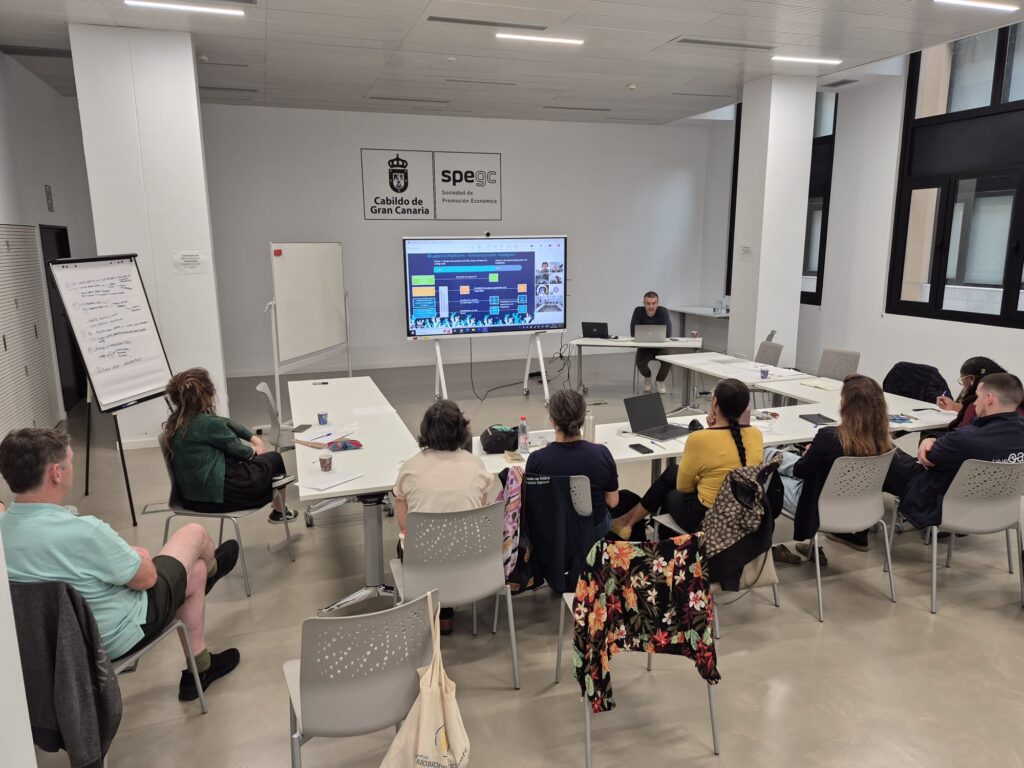
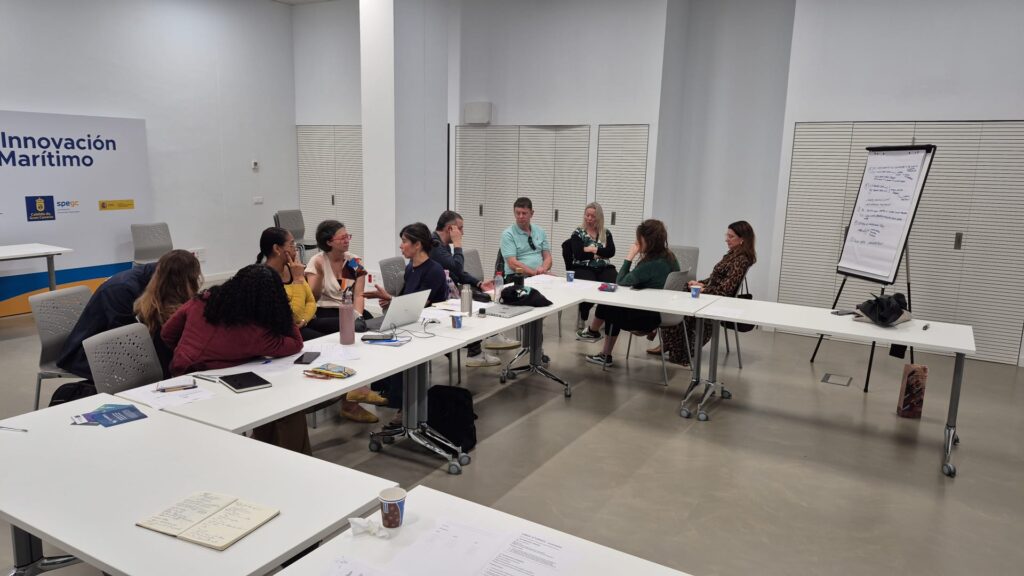
MPA Managers Forge Path Forward at Landmark Atlantic-Arctic Workshop https://pharosproject.eu/wp-content/uploads/2026/02/1000089800-1024x768.jpg 1024 768 PHAROS Project https://pharosproject.eu/wp-content/uploads/2026/02/1000089800-1024x768.jpgMarine Protected Area (MPA) practitioners from across the Atlantic and Arctic regions gathered on 29th January 2026 in Gran Canaria to tackle the sector’s most persistent challenges, from governance fragmentation to critical funding shortages. The workshop, held with both onsite and online participation, served as a collaborative forum to share solutions and directly shape the development of the new Blue4all MPA Solutions Hub. Participants highlighted the urgent need for better data integration, tools to visualise ecological connectivity, and strategies to resolve conflicts between fisheries, tourism, and conservation goals.
The event successfully mapped out a forward action plan centred on practical training and digital innovation. Practitioners co-created ‘user stories’ to guide the MPA Solutions Hub’s upcoming features, including a new ecological corridors module and an open-source decision support system, both slated for release by late 2026. With a clear mandate for blended, role-specific training and a formal platform launch set for April, the workshop has laid the groundwork for a more connected and empowered MPA management community.
Report: Overcoming Challenges – MPA Managers Workshop
1. Introduction
The workshop aimed to identify common challenges, explore solutions, and gather input for the further development of the Blue4all MPA Solutions Hub, designed to support MPA management. The event also included discussions on training needs and the co-creation of user stories to guide platform enhancements.
2. Challenges and Needs of MPA Practitioners
Key Challenges
MPA practitioners highlighted a range of challenges, including:
- Governance and Coordination:
- Overlapping authorities and lack of collaboration, leading to unclear enforcement of regulations.
- Fragmented decision-making processes and lack of coherent management plans.
- Resource Limitations:
- Insufficient funding for monitoring, surveillance, and research activities.
- High costs associated with data collection, habitat mapping, and stakeholder engagement.
- Stakeholder Conflicts:
- User conflicts, particularly between fisheries, tourism, and conservation objectives.
- Limited engagement and transparency in decision-making processes.
- Data and Information Gaps:
- Difficulty accessing up-to-date, integrated, and high-quality environmental and legal data.
- Lack of tools for visualising ecological connectivity and water quality.
- Environmental Threats:
- Marine litter, invasive species, and threats from non-indigenous species.
- Mismatch between regulatory frameworks (e.g., Natura 2000) and local ecological realities.
Solutions and Best Practices
Participants shared potential strategies, such as:
- Stakeholder Engagement:
- Co-designing management plans with local stakeholders (e.g., fishermen, industry, and academia).
- Implementing compensation schemes to mitigate user conflicts.
- Partnerships and Collaboration:
- Working with coast guards, NGOs, and other entities to share data and monitoring efforts.
- Lobbying for international funding and resource-sharing initiatives.
- Data Management:
- Improving data accessibility and integration from diverse sources.
- Developing user-friendly tools for visualising and analysing environmental data.
- Legal and Policy Frameworks:
- Creating clear guidelines for enforcement and updating legal instruments to reflect local needs.
3. Skills and Training Needs
Identified Skills Gaps
MPA practitioners require training in:
- Data Management and Analysis:
- Accessing, integrating, and analysing environmental and socio-economic data.
- Using open-source tools for numerical modelling (e.g., hydrodynamics, water quality).
- Stakeholder Engagement:
- Facilitating co-management and transparent decision-making processes.
- Conflict resolution and communication strategies.
- Digital and Technical Skills:
- Using GIS and other mapping tools for habitat and ecological corridor analysis.
- Scenario-based decision support for MPA management.
- Resource Acquisition & Financing:
- Obtaining funding from external agencies.
- Collaboration with external agencies for monitoring.
Training Structure
- Format: Online for topics concerning mostly theoretical content to minimise costs and travel, to be translated to accommodate language barriers. Blended learning (online phase and in-person phase) for topics which would benefit from hands-on, practical exercises.
- Duration: Short, focused sessions (1-2 hours per week) with minimal time away from work.
- Content: Practical, relevant, and tailored to specific roles within MPA management.
4. MPA Solutions Hub: Overview and Upcoming Functionalities
Current Status
The MPA Solutions Hub, developed under the Blue4All project, is a digital tool designed to support MPA managers by providing:
- Ecological and socio-governance tools for MPA managers.
- Collaboration Features: Stakeholder networking and communication tools.
- Data Access: Integrated environmental, legal, and socio-economic datasets.
Upcoming Enhancements (by 2026-2027)
- Ecological Corridors Module:
- Tools to visualise and analyse connectivity between MPAs.
- Scenario-based assessments for ecological corridor management.
- Decision Support System:
- Open-source data integration for temporal analyses and scenario planning.
- User-friendly interfaces for non-technical stakeholders.
- Expanded Tool Catalogue:
- Expand the current catalogue of approximately 40 tools, with context-specific ecological-environmental and socio-governance resources.
User Stories for Platform Development
Participants co-created user stories to guide platform enhancements, focusing on:
| Challenges patterns | User stories |
|---|---|
| Stakeholder engagement & conflict management | Communication tool; Fishers reporting; Stakeholder data upload; Online maps; Environmental data access; Species data (incl. socio‑economic) |
| Funding & resource limitations | Online maps (no GIS); Free modelling; Stakeholder data upload; User‑friendly visualisers |
| Surveillance & enforcement challenges | Fisherman reporting; Stakeholder observations; Habitat maps; Water quality monitoring |
| Governance fragmentation & lack of coherent management plans | Legal framework access; Species data; Environmental data; Habitat maps |
| Data access, integration, quality & management | Habitat maps; Modelling; Water quality visualiser; Environmental data access; Online maps; Species data |
5. Summary, Follow-Up, and Next Steps
Workshop Achievements
- Identified common challenges and solutions for MPA management.
- Defined training needs and preferences for practitioners.
- Co-created user stories to guide the development of the Blueprint Platform.
Next Steps
- Platform Launch: The MPA Solutions Hub will be operational by April 2026, with an expanded tool catalogue and will be released in December 2026.
- Feedback Process: MPA managers will test the platform and provide input for improvements.
- Training Modules: Dedicated training will be developed to support platform use and address identified skills gaps.
- Survey: A survey will gather information on training specificities, connectivity module needs, data availability and gaps, further user stories and feedback about the direct use of the platform.