Why IMTA (Integrated Multitrophic Aquaculture) is a Sustainable Solution for the Ocean
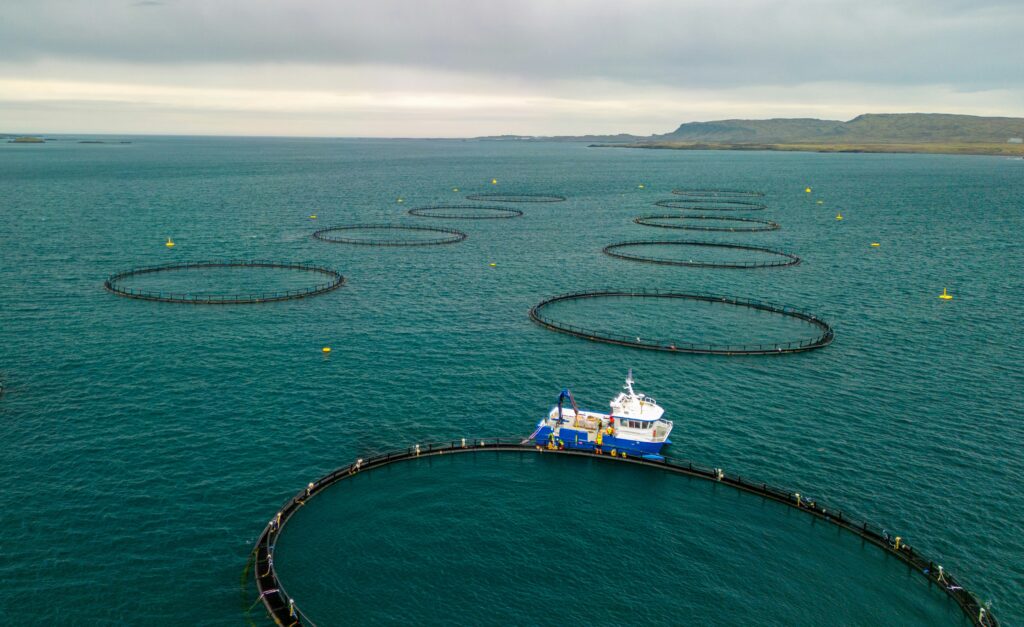
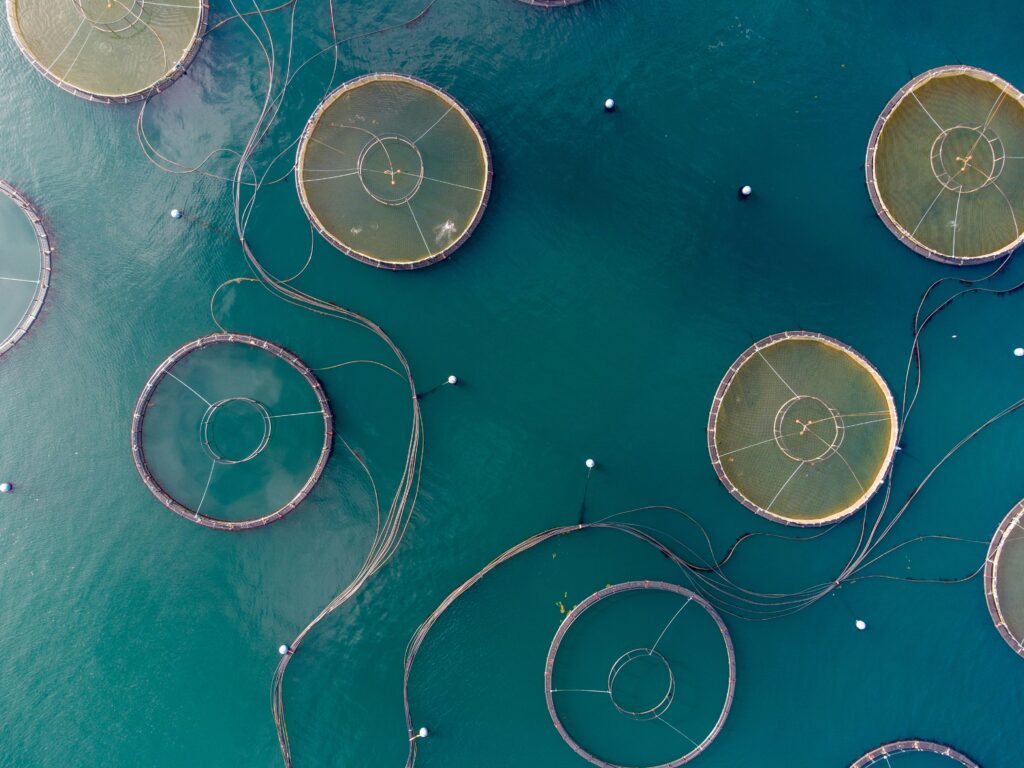
Why IMTA (Integrated Multitrophic Aquaculture) is a Sustainable Solution for the Ocean https://pharosproject.eu/wp-content/uploads/2026/01/ed-wingate-PY324VYTNz0-unsplash-1024x627.jpg 1024 627 PHAROS Project https://pharosproject.eu/wp-content/uploads/2026/01/ed-wingate-PY324VYTNz0-unsplash-1024x627.jpgIntegrated Multitrophic Aquaculture (IMTA) is an innovative farming method that mimics nature’s own blueprint by cultivating multiple species from different trophic levels together in one system. Think of it as creating a balanced underwater ecosystem where every species plays a vital role.
Unlike traditional aquaculture that focuses on a single species, IMTA brings together fed species (like fish) with extractive species (like shellfish and seaweed) that naturally clean up the waste. It’s ocean farming that actually works with nature, not against it.
How Does IMTA Work? Nature’s Circular Economy in Action
The brilliance of IMTA lies in its elegant simplicity.
Here’s the magic formula:
Fed species (such as salmon, seabream, or tilapia) produce waste, excess nutrients and organic matter that would typically pollute surrounding waters.
Filter-feeding organisms (like mussels, oysters, and sea cucumbers) consume the particulate organic waste, acting as natural water purifiers.
Seaweeds and macroalgae absorb dissolved nutrients like nitrogen and phosphorus from the water, preventing harmful algal blooms while capturing carbon.
The result? One species’ waste becomes another’s feast, creating a closed-loop system that produces multiple harvests while keeping waters clean.
IMTA Around the World
Integrated Multitrophic Aquaculture is rapidly expanding across continents, with pioneering projects demonstrating its versatility in diverse marine environments. Here are leading examples from around the globe:
Europe
- Ireland (PHAROS Project) – Combining salmon farming with macroalgae cultivation (Alaria esculenta, Saccharina latissima, and Laminaria digitata) in Bantry Bay to reduce nutrient waste and increase biodiversity through innovative IMTA systems
- Gran Canaria, Spain (PHAROS Project) – Multi-layered IMTA system integrating fish farming (seabream), polyculture macroalgae, high-value abalone, sea cucumbers, and artificial reefs in a storm-proof infrastructure designed for long-term ecosystem restoration
- Portugal – INTEGRATE project developed technical manuals for establishing commercial marine IMTA combining fish, oysters, and macroalgae in earthen ponds in the Portuguese South-Atlantic area
- Norway – Leading salmon industry conducting extensive IMTA trials combining salmon with seaweeds and bivalves, with estimates showing 7-13 kg of seaweed production per system
Asia
- China – The world’s largest IMTA practitioner, operating large-scale coastal systems nationwide that culture fed fish/shrimp alongside seaweeds, shellfish, sea urchins, and sea cucumbers. Government institutions strongly support IMTA across both freshwater and marine environments, particularly in regions like Sanggou Bay, Shandong Province
- Bangladesh – WorldFish Asia-Africa BlueTech Superhighway (AABS) initiative has trained 30 fish farmers in near-shore IMTA and 10 in pond-based systems, with first seaweed harvests generating USD 220 from 600 kg in three months
- Vietnam – Researchers developed innovative IMTA-RAS (Recirculating Aquaculture System) for intensive whiteleg shrimp farming, creating a zero-discharge, closed-loop system particularly valuable for the Mekong Delta region
- Japan – Long-standing studies integrating marine fish culture with seaweed cultivation, contributing to the global knowledge base on multitrophic systems
Africa
- Kenya – AABS project showcasing IMTA’s potential for job creation across the value chain, with special emphasis on gender involvement and community empowerment in aquaculture. Presented at the 2025 World Aquaculture Society Conference in Uganda
- South Africa – Active IMTA development programs adapting systems for local coastal conditions
North America
- Canada – Salmon industry conducting IMTA trials with salmon, seaweeds, and bivalves, pioneering research on temperate-water multitrophic systems
- United States – Ongoing marine fish and seaweed integration studies, particularly along coastal regions
South America
- Chile – Active IMTA research and development, leveraging extensive aquaculture infrastructure to test multitrophic approaches
Oceania
- New Zealand – Studies on integrating marine fish culture with seaweed cultivation adapted to Pacific Ocean conditions
The Triple Win: Environmental, Economic, and Social Benefits
Environmental Superpowers
IMTA isn’t just good farming, it’s active ecosystem restoration:
- Pollution reduction: Natural biofiltration dramatically improves water quality and prevents eutrophication
- Biodiversity enhancement: Creates complex habitats supporting greater marine life diversity
- Carbon sequestration: Seaweed cultivation helps combat climate change by capturing CO₂
- Reduced chemical dependency: Less need for artificial filtration systems and fertilizers
Economic Advantages
Smart ocean farmers are discovering IMTA’s business benefits:
- Diversified income streams: Multiple harvests reduce market dependency and financial risk
- Higher-value products: Species like abalone and sea cucumbers command premium prices
- Lower operational costs: Natural waste processing reduces expensive filtration needs
- Market differentiation: Sustainability credentials attract conscious consumers
Social Impact
IMTA strengthens coastal communities by providing employment opportunities, improving food security, and promoting practices that gain local acceptance because they align with traditional knowledge.
IMTA in Action: The PHAROS Project Leading the Way
The EU-funded PHAROS project is pioneering cutting-edge IMTA demonstrations across the Atlantic and Arctic regions, proving this approach works at scale.
In Gran Canaria, PHAROS is deploying a storm-proof IMTA system that combines:
- Fish farming (seabream)
- Polyculture macroalgae cultivation (multiple species at various depths)
- High-value abalone production
- Sea cucumber cages for waste absorption
- Smart enhanced artificial reefs
This isn’t just farming, it’s ecosystem restoration happening in real-time, with sophisticated monitoring feeding into Digital Twin Ocean technology to track biodiversity recovery and CO₂ sequestration.
In Ireland, PHAROS is combining salmon farming with kelp cultivation, demonstrating how IMTA reduces nutrient waste while increasing biodiversity in very different marine conditions.
The 2026 Outlook: IMTA’s Expanding Horizon
As we move deeper into 2026, IMTA is gaining serious momentum:
- Major food companies like Nestlé are backing IMTA projects globally to boost sustainability
- The EU Mission to Restore Our Ocean and Waters by 2030 has identified IMTA as a key nature-based solution
- Coastal communities from Bangladesh to Belgium are adopting IMTA to combat climate vulnerability
- Research institutions are optimizing IMTA designs for diverse environments, from coastal waters to offshore installations
The shift from Phase 1 (development and piloting) to Phase 2 (deployment and upscaling, 2026-2030) means proven IMTA systems are now ready for widespread implementation.
Why IMTA Matters Now More Than Ever
Our oceans face unprecedented pressure. With 90% of fish stocks fully exploited or overfished, and aquaculture needing to double production by 2050 to meet global demand, we can’t afford business-as-usual approaches.
IMTA offers a credible path forward, transforming aquaculture from an environmental concern into an ecosystem restoration tool. It’s not just about producing food anymore; it’s about healing our oceans while feeding a growing planet.
The Bottom Line
Integrated Multitrophic Aquaculture changes the way we think about ocean farming. By working with natural processes rather than against them, IMTA delivers the triple win of environmental restoration, economic viability, and social benefit.
As projects like PHAROS demonstrate across Europe, IMTA isn’t a distant dream, it’s happening now, creating blueprints for the sustainable blue economy of tomorrow.
The future of ocean farming is integrated, multitrophic, and remarkably promising.
Want to learn more about ocean restoration innovations? Follow the PHAROS Project to see IMTA and other nature-based solutions in action across the Atlantic and Arctic regions.
The journey toward sustainable ocean farming is ongoing, and with IMTA, we’re taking significant strides in the right direction.