What are Marine Protected Areas?
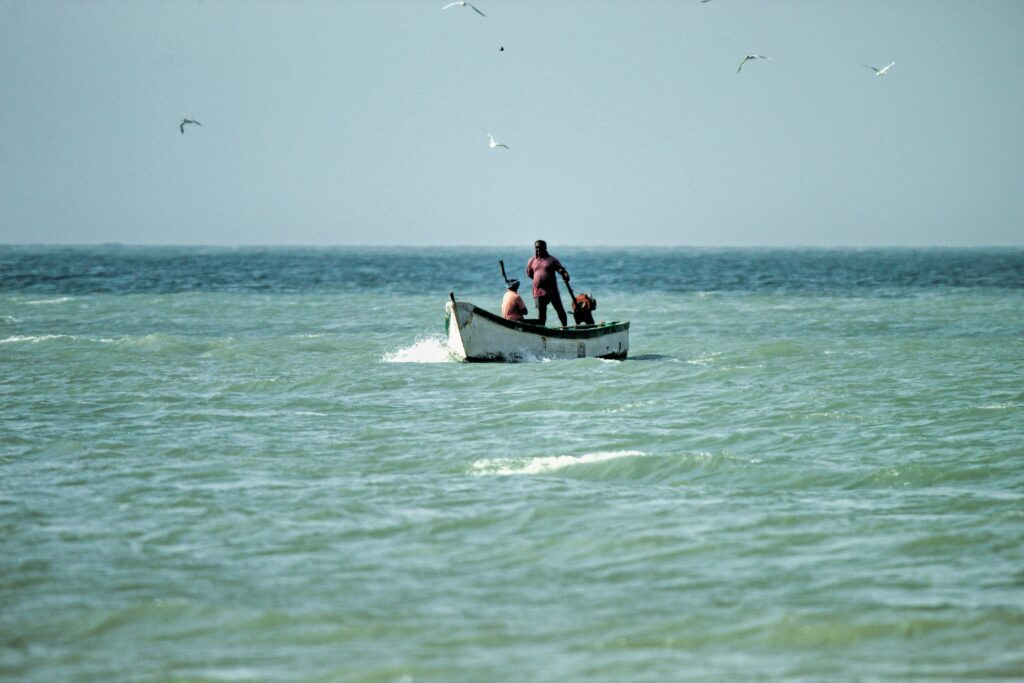
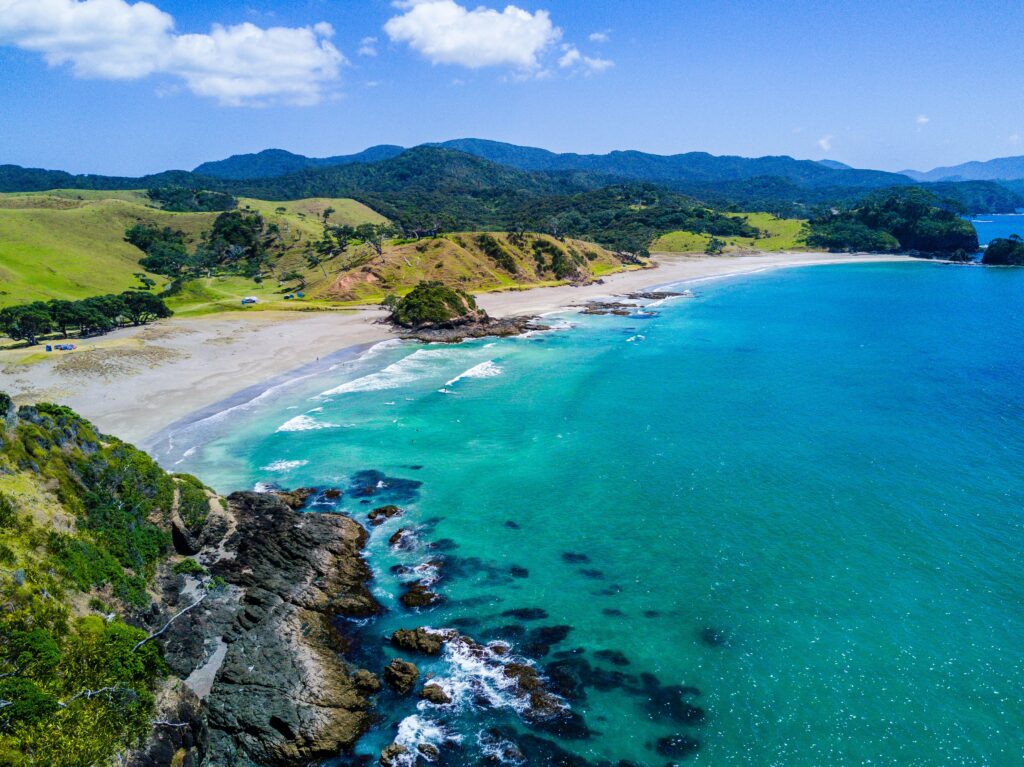
What are Marine Protected Areas? https://pharosproject.eu/wp-content/uploads/2026/03/viswaprem-anbarasapandian-ZTHdHG1tHgA-unsplash-1024x683.jpg 1024 683 PHAROS Project https://pharosproject.eu/wp-content/uploads/2026/03/viswaprem-anbarasapandian-ZTHdHG1tHgA-unsplash-1024x683.jpgA Marine Protected Area, or MPA, is a defined section of ocean, sea, estuary, or large lake where human activities are managed under legal or regulatory authority to protect natural or cultural resources. The boundaries are set deliberately, and within them, specific rules apply that do not apply in the surrounding waters.
Our oceans cover more than 70% of the Earth’s surface. They regulate our climate, produce half the oxygen we breathe, support billions of people through food and livelihoods, and host an extraordinary range of life found nowhere else on the planet. Yet decades of overfishing, pollution, coastal development, and climate change have left marine ecosystems in measurable decline across much of the world.
Marine Protected Areas are one of the most direct tools we have to address that decline. They are not a perfect solution, and they are not a substitute for reducing the pressures that cause damage in the first place. But used well, they work. Understanding what they are, how they function, and why they matter is the starting point for anyone interested in ocean conservation.
What Is a Marine Protected Area?
A Marine Protected Area, or MPA, is a defined section of ocean, sea, estuary, or large lake where human activities are managed under legal or regulatory authority to protect natural or cultural resources. The boundaries are set deliberately, and within them, specific rules apply that do not apply in the surrounding waters.
That definition covers a very wide range of sites. An MPA might be a remote stretch of deep ocean where all commercial activity is banned. It might be a reef where fishing is restricted but diving is permitted. It might be a coastal wetland where shipping routes are regulated to protect breeding habitat. The common factor is managed protection with a conservation purpose.
The term was formalised internationally through the Convention on Biological Diversity and, in the United States, through Executive Order 13158 in 2000. In Europe, MPAs form a core part of the EU Biodiversity Strategy and the Natura 2000 network, which together set a target of protecting at least 30% of the EU’s seas by 2030, with 10% under strict protection.
Types of Marine Protected Areas
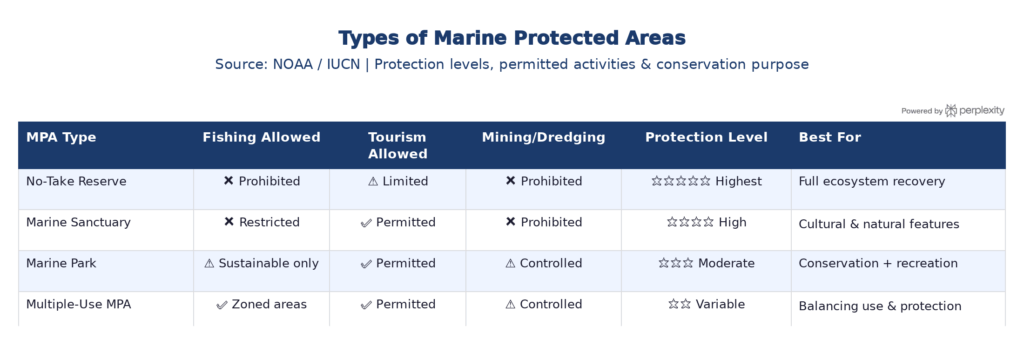
Not all MPAs offer the same level of protection. The type of MPA determines what activities are permitted inside its boundaries and, in turn, how effectively it restores or maintains the ecosystem within it.
No-take reserves are the strictest category. All extractive activity, including fishing, mining, and dredging, is prohibited. These zones provide the strongest ecological outcomes and are considered the gold standard for conservation science.
Marine sanctuaries protect specific natural or cultural features while permitting compatible recreational activities such as diving or snorkelling. Commercial extraction is usually banned or heavily restricted.
Marine parks balance conservation with regulated human use. Sustainable fishing, tourism, and research are typically allowed under specific conditions and permits.
Multiple-use MPAs are the most common type. They divide their area into zones, each with different rules, allowing fishing in some areas, stricter protection in others, and controlled access throughout. Many national and European MPAs follow this model because it allows conservation goals to coexist with the needs of local communities and industries.
The science is clear on which types perform best. A major study published in Nature found that fish biomass increased in 71% of MPA sites with ecological data, but that increases were nearly three times greater in MPAs with adequate staffing and enforcement than in those without. Size, age, and whether the zone is no-take are also strong predictors of effectiveness.
Why Marine Protected Areas Matter
Protecting Biodiversity
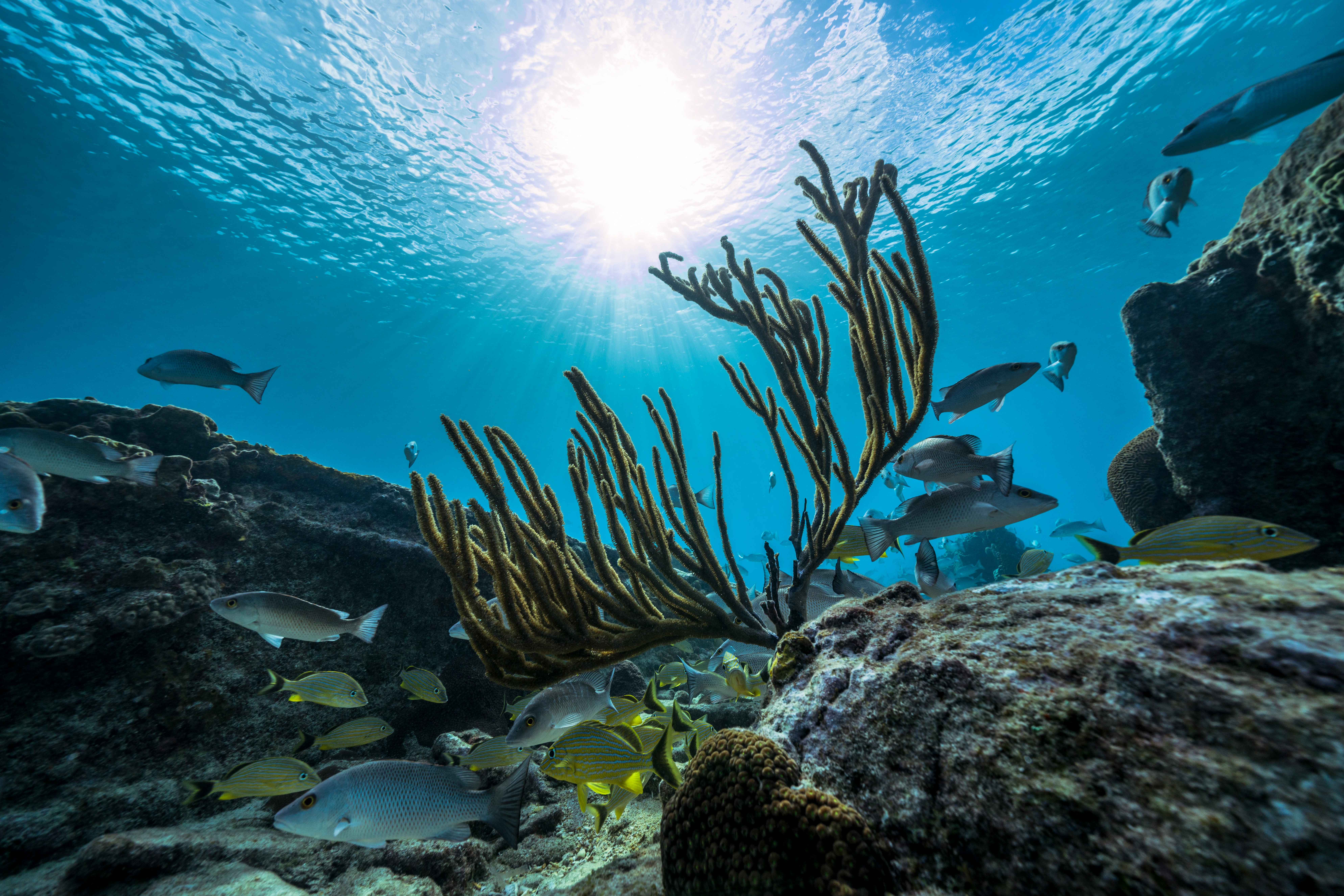
The primary purpose of most MPAs is to give ecosystems space to function without destructive intervention. When pressure from fishing, trawling, and pollution is removed or reduced, habitats recover. Species that were previously rare or absent return. Food webs stabilise.
This is not theoretical. Research consistently documents higher species richness, greater fish biomass, and healthier habitat structure inside well-managed MPAs compared to unprotected areas of similar type.
Supporting Fisheries
One of the most important but least understood benefits of MPAs is what scientists call the spillover effect. Fish populations that recover inside a no-take zone eventually grow large enough that individuals move into surrounding waters, where they become available to fishers.
This means an MPA is not simply an area taken out of fishing production. Managed correctly, it functions as a replenishment zone that supports the productivity of adjacent fisheries. Communities that initially resist MPAs on economic grounds often record improved catches over time in the areas surrounding them.
Climate Resilience
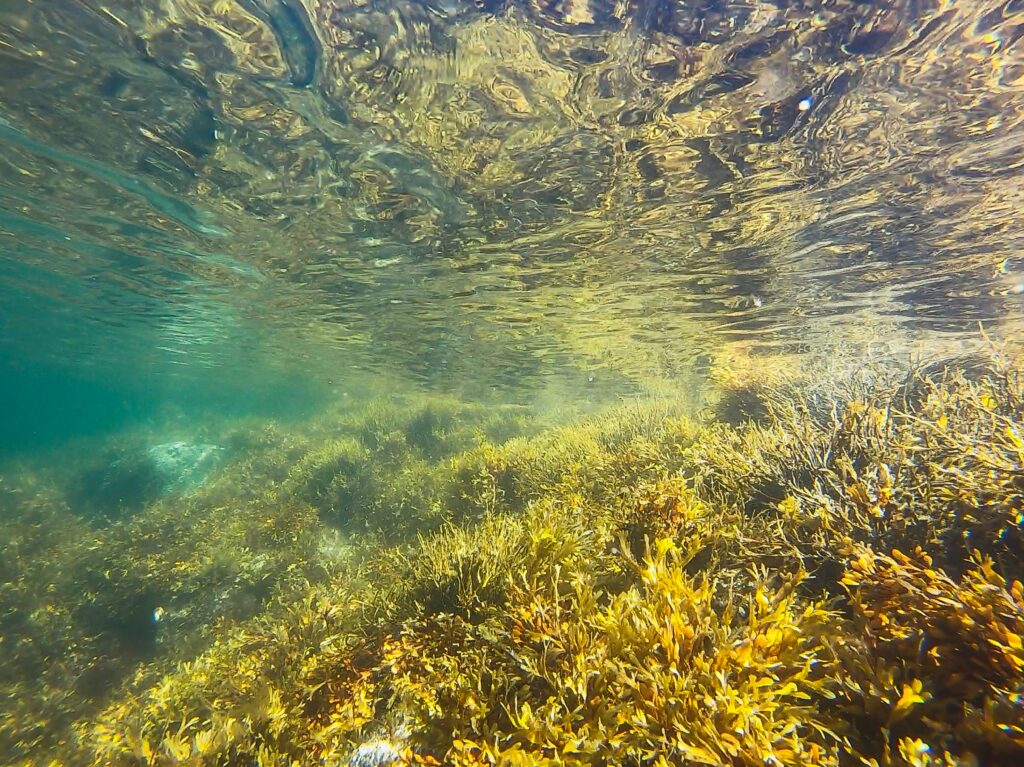
Healthy marine ecosystems are more resilient to the effects of climate change than degraded ones. Intact seagrass meadows, mangroves, and kelp forests absorb and store carbon. Coral reefs that are not already stressed by overfishing and pollution have greater capacity to recover from warming events.
Protecting these habitats through MPAs is increasingly understood as a climate strategy, not only a conservation one. The EU Mission to Restore Our Ocean and Waters by 2030 explicitly links MPA expansion with climate adaptation and carbon sequestration goals.
Economic and Social Value
MPAs generate economic value beyond fisheries. Healthy reefs and marine habitats attract divers, snorkellers, and nature-based tourists, creating income for coastal communities. Research published in 2025 introduced the concept of Marine Prosperity Areas, which goes further, arguing that conservation investments should be explicitly designed to align ecological recovery with measurable improvements in local human wellbeing.
The economic case for MPAs is strongest where management is active, where communities are involved in governance, and where the rules are genuinely enforced.
How Much of the Ocean Is Protected
Global MPA coverage has grown significantly over the past two decades, but it remains far below what most scientists consider adequate for biodiversity protection. According to Protected Planet, approximately 8% of the global ocean is now within an MPA boundary, though the level of actual protection varies widely across that coverage.
In Europe, progress has been more substantial. EU Marine Protected Area coverage reached 13.7% of European seas in 2023, up from 4.15% in 2012. Several Member States, including Germany, France, Belgium, and the Netherlands, have already exceeded the 30% coverage target. Countries such as Denmark, Lithuania, Poland, and Romania have expanded their networks beyond 20%.
The EU Biodiversity Strategy for 2030 sets a binding target of 30% protection, with 10% of that under strict or fully protected status. Meeting that target requires both expanding coverage and, critically, improving the quality of protection in areas already designated.
The Challenges MPAs Face
Designation alone does not protect an ocean. Many MPAs exist primarily on paper, with boundaries set but no meaningful enforcement, monitoring, or management in place. These are sometimes called “paper parks,” and they deliver little ecological benefit.
The most persistent challenges facing MPA managers include:
Funding and staffing shortfalls. Research consistently shows that management quality is the strongest predictor of ecological outcomes. Well-staffed, adequately funded MPAs with active monitoring programmes deliver substantially better results. Most MPAs globally do not meet this standard.
Governance fragmentation. Many marine areas fall under overlapping jurisdictions, national, regional, and international, making coordinated management difficult. Fisheries management, shipping regulation, and conservation designations are often handled by different agencies with different mandates and timelines.
Climate change. Protected areas designed around historic species distributions may become less relevant as warming waters drive species into new ranges. Adaptive management, which adjusts strategies based on real-time ecological data, is increasingly essential but requires resources and institutional capacity that many MPA authorities lack.
Community acceptance. MPAs imposed without genuine consultation rarely succeed. Where local communities, including fishers, tourism operators, and indigenous groups, are excluded from design and governance, compliance is low and outcomes suffer. The evidence consistently shows that co-management models, where communities hold real decision-making authority, produce better ecological and social outcomes.
MPAs in the Atlantic and Arctic
The Atlantic and Arctic basins present particular challenges and opportunities for MPA development. These are vast, ecologically diverse, and economically important regions where conservation needs intersect with significant commercial interests in fisheries, energy, and shipping.
In the Arctic, 492 marine protected areas have been recorded, spanning national jurisdictions and international waters. However, the network is considered fragmented and insufficiently representative of the full range of Arctic ecosystems. Climate change is altering Arctic marine habitats faster than anywhere else on Earth, making timely MPA expansion and adaptive management an urgent priority.
The PHAROS project, operating across the Atlantic and Arctic basins under Horizon Europe funding, is working to address these gaps directly. Its approach involves extending the Blue4All Blueprint Platform, a digital tool that supports MPA managers with governance frameworks, adaptive management practices, and ecological corridor planning across the network.
A key innovation in the PHAROS approach is the focus on ecological corridors, connecting individual MPAs so that species can move between protected areas, maintain genetic diversity, and adapt to shifting conditions. Isolated protected areas are inherently more fragile than connected networks.
What Needs to Happen Next
Scientists, policymakers, and conservation practitioners broadly agree on what is needed to make MPA networks genuinely effective:
Expand coverage strategically. Reaching the 30% global target by 2030 requires prioritising ecologically significant, under-protected areas and ensuring that newly designated MPAs fill genuine gaps in the network rather than overlapping with areas already under protection. The EU-funded MPA Europe project is using systematic conservation planning software to identify the optimal locations for new designations across European seas.
Improve management quality. Coverage statistics mean little without enforcement, monitoring, and adaptive management. Investment in the human and technical capacity of MPA authorities is as important as expanding boundaries.
Connect protected areas. Ecological corridors between MPAs allow species to move, populations to mix, and ecosystems to respond flexibly to climate change. Planning MPA networks as connected systems rather than isolated zones significantly increases their long-term effectiveness.
Involve communities. The most durable MPAs are those where local communities are partners in governance, not subjects of regulation. Co-management frameworks that give communities real authority and equitable benefit from conservation outcomes are more effective and more just.
Integrate digital tools. Real-time monitoring, digital ocean twins, and data-sharing platforms are transforming what MPA managers can know about their areas and how quickly they can respond to emerging threats. Making these tools accessible to all MPA authorities, including those in less-resourced regions, is a growing priority.
Marine Protected Areas are not a silver bullet for ocean health. They cannot compensate for unregulated fishing beyond their boundaries, for the carbon emissions driving ocean warming, or for the land-based pollution that reaches marine habitats from rivers and coastlines. But they remain one of the most evidence-backed tools we have for giving marine ecosystems the space they need to recover.
The science is sufficiently clear and the urgency sufficiently great that expanding and improving MPA networks is one area where action should not wait for perfect conditions. The ocean’s capacity to regenerate, given adequate protection and time, has been demonstrated repeatedly and across a wide range of ecosystems. The task now is to scale that protection to match the scale of the problem.
Sources
- Marine Protected Areas – Protected Planet https://www.protectedplanet.net/en/thematic-areas/marine-protected-areas
- Marine Protected Areas – Woods Hole Oceanographic Institution https://www.whoi.edu/ocean-learning-hub/ocean-topics/sustainable-ocean/marine-protected-areas/
- Marine protected area – Wikipedia https://en.wikipedia.org/wiki/Marine_protected_area
- Types and Design of Marine Protected Areas – Ocean Tracksoceantracks.org › library › conservation › types-and-design-of-marine-prot… https://oceantracks.org/library/conservation/types-and-design-of-marine-protected-areas
- Types and Design of Marine Protected Areas https://www.oceantracks.org/library/conservation/types-and-design-of-marine-protected-areas
- New study finds MPA effectiveness is greatest where there is adequate staff and funding https://octogroup.org/news/new-study-finds-mpa-effectiveness-greatest-where-there-adequate-staff-and-funding/
- Marine Protected Areas and How They Protect Marine Life https://pharosproject.eu/marine-news/what-are-marine-protected-areas/
- Nature-Based Solutions in Marine Ecosystem Restoration https://pharosproject.eu/blog/the-role-of-nature-based-solutions-in-marine-ecosystem-restoration/
- Marine Protected Communities Industry Insight – PHAROS Project https://pharosproject.eu/blog/marine-protected-communities-industry-insight-and-emerging-trends-in-2025/
- Marine protected areas in Europe’s seas | Indicators https://www.eea.europa.eu/en/analysis/indicators/marine-protected-areas-in-europes-seas